


What to Put in Your Oatmeal (And What to Watch Out for)


Bestsellers for Oatmeal & Hot Cereal
Plain oatmeal is about 150 calories with 5 grams of protein. Good foundation. Bland meal. What you add to it is the difference between a breakfast that carries you to lunch and one that leaves you reaching for a snack by 10 a.m.
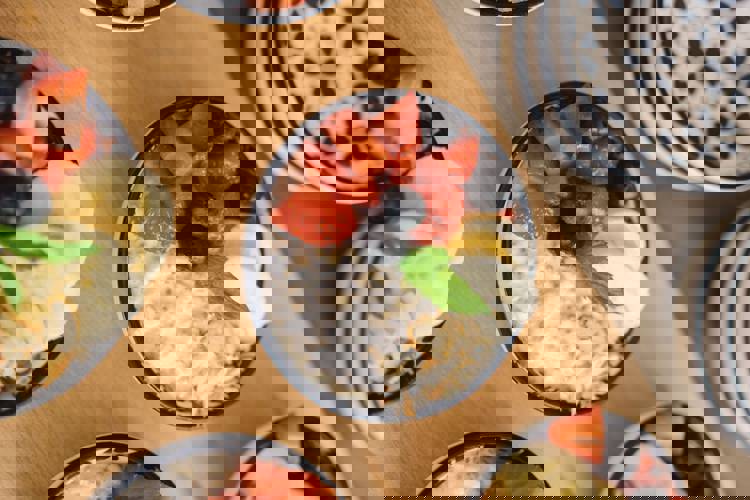
A good bowl usually comes down to this: something with protein or fat, something with flavor, something with texture. A handful of walnuts covers all three. A drizzle of honey covers none.
Six bowls worth making
PB and banana. Half a banana (sliced), 1 tablespoon peanut butter, pinch of cinnamon. About 280 calories. The classic for a reason.
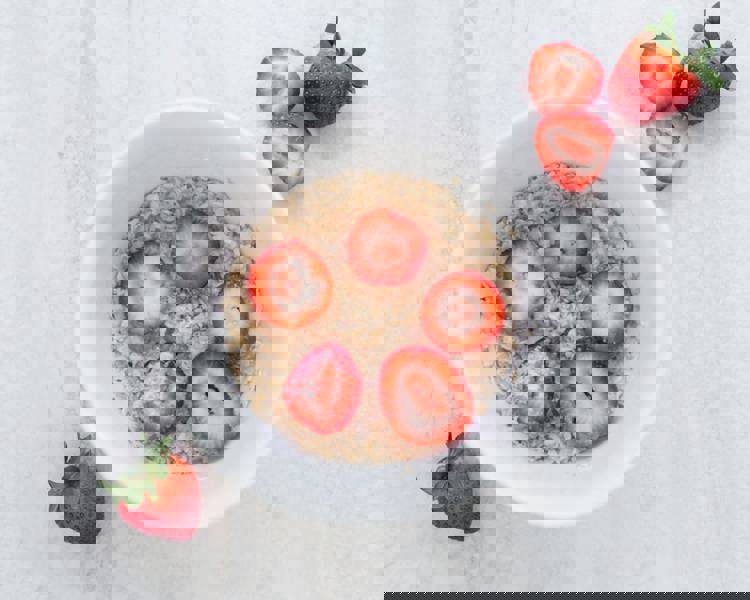
Berry and yogurt. Handful of frozen berries stirred in while hot, 2 tablespoons Greek yogurt, a teaspoon of honey. Frozen berries work just as well as fresh and cost less. The yogurt adds protein and creaminess. About 250 calories.
Apple cinnamon. Half an apple (diced, skin on), 1 tablespoon chopped walnuts, half teaspoon cinnamon, small drizzle of maple syrup. The apple skin adds pectin, a soluble fiber that binds cholesterol, stacking on top of the fiber already in the oats.
Chocolate peanut butter. 1 tablespoon unsweetened cocoa powder, 1 tablespoon peanut butter, half a banana. Tastes like dessert. The cocoa is 12 calories and zero sugar. This is the one that converts people who think healthy oatmeal can't taste good.
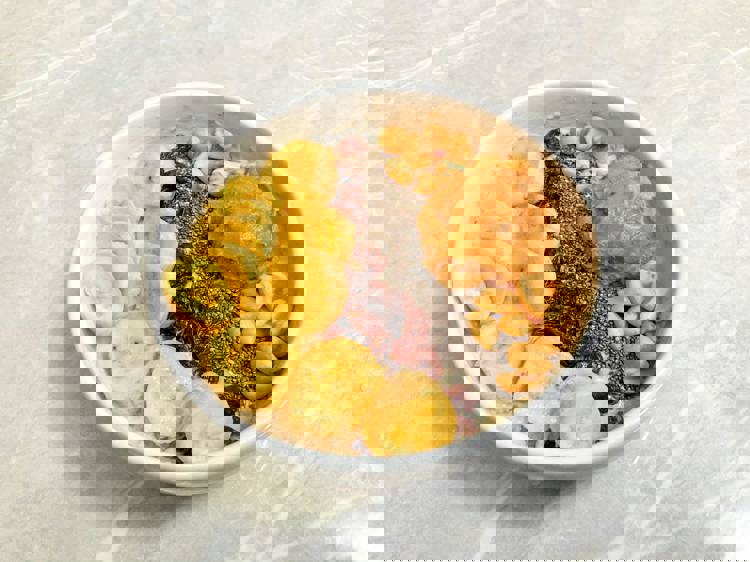
Savory egg bowl. Oats cooked in salted water, topped with a fried egg, a quarter avocado, hot sauce. No sugar at all. About 320 calories with 15 grams of protein.
The cholesterol bowl. Oats topped with 2 tablespoons oat bran, 1 tablespoon ground flaxseed, a handful of walnuts, half an apple with skin. Every ingredient adds soluble fiber or omega-3s. If your doctor flagged your LDL, this is the one to build a habit around.
Why this matters more than the oats themselves
People spend a lot of time deciding between steel-cut and rolled oats. Most of those same people then dump brown sugar on top and wonder why they're hungry again in two hours.
Without protein or fat, oatmeal is mostly carbohydrates. Your body burns through it fast, blood sugar spikes then crashes, and the meal is gone. This is why oatmeal with brown sugar feels like it evaporates, while the same oats with peanut butter and banana carry you to lunch.
A study found that adding nuts to a high-glycemic food reduced the blood sugar impact by about 30%. Adding 15-20 grams of protein extends satiety from about 2 hours to 4-5 hours. That's the difference between needing a mid-morning snack and forgetting about food until noon.
Protein
Greek yogurt is the easiest add. A few spoonfuls stirred in gives you 15-20 grams of protein and makes the texture creamier.
Eggs work better than you'd expect. A fried egg with a runny yolk on savory oatmeal is the obvious play. Less obvious: a scrambled egg stirred into sweet oatmeal disappears into the texture. You get 6 grams of protein and can't taste it.
Cottage cheese melts into hot oatmeal and adds 12-14 grams of protein per half cup. Most people resist this idea until they actually try it. The texture just becomes creamier.
Nut butter at 1 tablespoon gives you about 4 grams of protein and 8 grams of fat. Peanut butter has the most protein of the common nut butters. Almond butter has more fiber. Measure with an actual tablespoon, because pouring from the jar is a calorie trap (see the section on common mistakes).
Protein powder works if you mix it into a small amount of cold liquid first, then stir into the hot oats. Skip that step and you get clumps. Casein-based powder gives the best texture.
Fiber boosters for cholesterol
The oats are doing most of the work here. Beta-glucan (the soluble fiber in oats) traps bile acids made from cholesterol and carries them out. You need 3 grams of beta-glucan daily for the benefit. A standard half-cup serving of oats provides about 2 grams, so there's a gap to close.
Oat bran is the most direct option. A third of a cup has about 3 grams of beta-glucan on its own. Two tablespoons sprinkled on top gets you close. Bob's Red Mill oat bran is the main option at Safeway.
Ground flaxseed adds 2 grams of soluble fiber per tablespoon, plus omega-3 fatty acids. It has to be ground. Whole flax seeds pass right through.
Walnuts add omega-3s (ALA) that provide cardiovascular benefit on top of what the oats do. Apple slices with the skin add pectin, another soluble fiber that binds cholesterol. Both show up in the cholesterol bowl above for this reason.
Flavor that isn't sugar
Most people sweeten oatmeal out of habit. A bowl with cinnamon, berries, and half a banana doesn't need honey on top, but people add it anyway because that's what they've always done.
Cinnamon deserves special attention. Research published in the Journal of the Academy of Nutrition and Dietetics found that half a teaspoon to a teaspoon of cinnamon with oatmeal reduced post-meal blood sugar by 27%. Not just at breakfast. The effect persisted, reducing post-lunch and post-dinner blood sugar by 15-22%. A spice that tastes good and measurably improves blood sugar all day is unusual.
One caveat: if you eat cinnamon daily, use Ceylon cinnamon. Cassia cinnamon (the common kind, what most stores stock) contains coumarin, which can stress the liver at high daily doses. Ceylon is milder and safe long-term.
Frozen berries add natural sweetness with fiber. Blueberries, strawberries, and raspberries have a glycemic index of 25-40. Bananas sit at 51, and that number climbs as they ripen. Frozen are cheaper and work just as well stirred into hot oatmeal or thawed overnight.
Unsweetened cocoa powder is the most underrated option. A tablespoon turns oatmeal into something that genuinely tastes like dessert. Twelve calories. Zero sugar.
Vanilla extract (half a teaspoon) creates the perception of sweetness without any actual sugar. Warm spices like nutmeg, cardamom, and allspice make oatmeal taste richer and more complex without changing anything on the nutrition panel.
If you do use a liquid sweetener, a teaspoon is enough when combined with fruit and spices. Maple syrup has the lowest glycemic index of the common options (54, versus 60 for honey and 70 for brown sugar). The differences between them are real but modest. Half a mashed banana does more for sweetness than any of them and adds no added sugar at all.
Where people go wrong
Dried fruit is concentrated sugar. A quarter cup of raisins has 26 grams. The same volume of fresh grapes has less than 4. Sweetened dried cranberries are worse: 29 grams per quarter cup, because sugar is added on top of the natural sugar during processing. A tablespoon as an accent is fine. A handful as a main topping undoes the work the oats are doing.
Granola on oatmeal baffles me. Granola is mostly oats, sugar, and oil. Putting it on oatmeal is oats on oats with extra sugar and calories. A half cup adds 200+ calories and 12-15 grams of sugar. If you want crunch, a tablespoon of chopped walnuts does more for less.
Nut butter is healthy and calorie-dense. One tablespoon is about 100 calories. Two tablespoons is 200. Nobody pours one tablespoon from the jar without measuring. Measure with an actual tablespoon for a week and you'll recalibrate your sense of what a serving looks like. One tablespoon is plenty for flavor. Two is fine if protein is the goal.
Too many toppings at once. Chia seeds, flaxseed, hemp hearts, goji berries, coconut flakes, and a drizzle of honey. Each one is fine. Together they add 300-400 calories to a bowl that started at 150. Pick two or three. Not seven.
Flavored packets. A single Quaker Maple & Brown Sugar packet has 12 grams of added sugar. Three teaspoons. Up to half the daily limit for women (24 grams, per the American Heart Association). Some brands hit 19 grams. The oats inside the packet are fine. You're paying for sugar, salt, and "natural flavors" you could replace with cinnamon and half a banana.
Savory oatmeal
Sweet oatmeal is the American default, but not the global one. Scottish porridge has been oats, water, and salt for thousands of years. Indian masala oats use turmeric, curry leaves, and mustard seeds. Chinese and Korean porridge traditions pair grains with eggs, scallions, and sesame oil.
Oats have a mild, slightly nutty flavor. They go savory as naturally as they go sweet. Think of them like rice or toast.
Cook oats in salted water or low-sodium broth. Top with a fried egg, a quarter avocado, black pepper or Everything Bagel seasoning. Ten minutes, no sugar, 15 grams of protein. That's the starting point.
Once you're comfortable with that: shredded cheddar stirred in while hot. Sauteed spinach or kale. Cherry tomatoes, halved. A spoonful of chili crisp. Soy sauce and sesame oil with a soft-boiled egg and sliced scallions. Bacon crumbles. Smoked salmon with cream cheese and capers.
If savory oatmeal works for you, you've doubled your breakfast options and cut added sugar from the equation entirely. That's a bigger dietary shift than switching from instant to steel-cut.
Making it sustainable
Overnight oats
Cold, no-cook oatmeal. Mix the ingredients in a jar the night before, refrigerate, eat in the morning. They keep 3-4 days, so four jars on Sunday night covers you through Thursday.
Half a cup rolled oats, half a cup milk (any kind), quarter cup Greek yogurt. A tablespoon of chia seeds if you want it thicker. Use rolled oats. Steel-cut stay too firm overnight. Quick oats turn to paste.
A 2019 clinical trial found overnight oats produced a blood sugar response comparable to steel-cut oats, much better than instant. The overnight soak changes the starch structure in a way that slows digestion. Soaking also breaks down phytic acid (a compound that reduces mineral absorption), improving iron absorption by 47%.
Combinations that work well: strawberries and vanilla protein powder. Chocolate protein powder with peanut butter and banana. Blueberries with lemon zest and honey. Pumpkin puree with cinnamon and maple syrup in the fall.
Safeway carries MUSH ready-to-eat overnight oats in the refrigerated section if you want to try the idea before committing. They also sell an overnight oats ingredient bundle (Bob's Red Mill rolled oats, almond milk, chia seeds) if you want the basics in one grab.
Baked oatmeal
A casserole you slice into portions. Two cups rolled oats, 2 eggs, 1.5 cups milk, a teaspoon of baking powder, cinnamon, pinch of salt. Add berries, nuts, or banana. Bake at 375 degrees for 35-40 minutes. Keeps 4 days in the fridge, weeks in the freezer. Reheat a slice in the microwave for 90 seconds.
Use rolled oats. Quick oats absorb too much moisture and dry out.
Stovetop leftovers
Stovetop oatmeal thickens and changes texture in the fridge. You can reheat it with a splash of milk or water, but it's never as good as fresh. For batch cooking, overnight oats and baked oatmeal are better formats.
How to read an oatmeal label
Ingredient list
Plain oats: one ingredient. Whole grain oats.
Flavored packets hide sugar behind dozens of names. Brown sugar, cane sugar, dextrose, maltodextrin, corn syrup, fructose, molasses. Anything ending in "-ose" is a sugar. Some brands split sugar into three or four forms so no single one lands first on the ingredient list. The total is the same.
Nutrition panel
Added sugars is the line that matters on flavored oatmeal. Plain oats: zero. Quaker Maple & Brown Sugar: 12 grams. Some brands: 19. Look for 8 grams or less if you're buying flavored.
Fiber should be 3-4 grams per serving for plain oats. Below 3 in a flavored product means the oat content has been diluted.
Protein is 5-6 grams for plain oats. Products advertising higher protein are fine, but check the ingredient list. Nuts and seeds are better protein sources than pea protein isolate or soy protein isolate.
Serving size is half a cup dry (about 40 grams), making roughly one cup cooked. Some brands shrink the serving to make the sugar look better. Compare the same amount.
Packaging claims
"Whole grain" is true for every plain oat product in the aisle, steel-cut through instant. Not a differentiator.
"Non-GMO" means nothing on oats. There are no commercially grown GMO oats anywhere in the world.
"Organic" is the claim that actually matters for oats. USDA Organic oats typically test with very low or undetectable glyphosate residues. Conventional oats can have higher levels. If pesticide residue concerns you, this is what to look for.
The heart health claim (language about soluble fiber and heart disease risk) is the FDA-authorized health claim from 1997. It means the product has at least 0.75 grams of beta-glucan per serving. This is a regulated claim with research requirements, not marketing copy.
FAQ
What's the healthiest topping for oatmeal? Nuts. Walnuts, almonds, or pecans. One ingredient that adds protein, healthy fat, fiber, and crunch. Research shows a 30% reduction in blood sugar impact. No added sugar.
Is honey better than sugar in oatmeal? Marginally. Honey's glycemic index is 60, brown sugar is 70, maple syrup is 54. But all three are added sugar. The differences matter less than the amount you use. A teaspoon of any of them in oatmeal that already has fruit and cinnamon is fine.
How do I make oatmeal taste good without adding a lot of calories? Cinnamon, vanilla extract, unsweetened cocoa powder, and a pinch of salt. Almost zero calories between them. Add frozen berries for sweetness. That combination can make plain oatmeal taste like a completely different meal.
Should I put banana in my oatmeal? Half a banana. A whole one adds 14 grams of sugar and 100 calories. Half gives you enough sweetness. Mash it into the oats while cooking and it works as a sugar replacement. Pair with nuts or nut butter if blood sugar is a concern.
Can I meal prep oatmeal for the whole week? Overnight oats keep 3-4 days in the fridge. Baked oatmeal keeps longer and freezes well. Stovetop oatmeal reheats poorly. For meal prep, overnight or baked.
Should I put granola on top of oatmeal? It's oats on oats with extra sugar. A half cup of granola adds 200+ calories and 12-15 grams of sugar. Chopped nuts give you the same crunch for a fraction of the calories.
Does savory oatmeal actually taste good? Most people who try it with a fried egg and seasoning are surprised. Cook oats in salted water, top with a fried egg, and add whatever you'd normally put on toast. If it works for you, breakfast just got a lot more interesting.
Safeway Buying Guide
Quaker Oats Quick 1 Minute - 18 Oz



Quaker Oats Quick 1 Minute - 18 Oz is a 100% Whole Grain oat product that is certified by the American Heart Association for meeting criteria for heart-healthy food and has no preservatives, added sugars, artificial flavors or added colors. It contains 0g of trans fat per serving and provides 4g of dietary fiber per serving. It also has soluble fiber that helps reduce cholesterol when part of a diet low in saturated fat and cholesterol.
- Quick to prepare: Many customers appreciate the convenience of these oats, which can be ready in just 1 minute.
- Versatile: Users love the versatility of these oats, which can be used in a variety of recipes from breakfast oatmeal to baking.
- Healthy choice: Customers praise the fact that the oats are a nutritious option, being low in fat and high in fiber.
- Great texture: Several reviews mention that these oats have a great texture, not too mushy or crunchy.
- Good size packaging: The 18 Oz size is appreciated by customers for being substantial enough to last but not so large it takes up too much pantry space.
- Consistent quality: Users have noted the consistently high quality of Quaker Oats, trusting the brand for their oatmeal needs.
- Value for money: Customers feel that they get a good amount of product for the price, making it a cost-effective choice.
Quaker Oats Whole Grain Quick 1 Minute - 42 Oz


Quaker Oats Whole Grain Quick 1 Minute is a convenient and delicious way to enjoy a nutritious breakfast.
This product is an excellent option for busy mornings, as it only takes one minute to prepare. It is made with 100% natural whole grain oats and contains no sodium, making it an ideal choice for people following low-sodium diets. It also provides essential nutrients such as protein, dietary fiber and iron to help keep you full throughout the morning. Moreover, it can also be used as an ingredient in many recipes for a healthy and tasty meal.
- Quick to prepare: Customers appreciate the convenience of the 1-minute preparation time.
- Healthy choice: Many reviews mention loving that it's a whole grain product, contributing to a healthier diet.
- Large size: The 42 Oz pack is appreciated for offering good value and lasting a long time.
- Versatile: Users love that they can use it for both sweet and savory dishes, making it a versatile pantry staple.
- Tastes great: Several reviews highlight the excellent taste of these Quaker oats.
- Great texture: Customers enjoy the texture of these oats, saying they are neither too mushy nor too hard after cooking.
- Well-known brand: Many customers trust and prefer Quaker Oats due to its long-standing reputation.
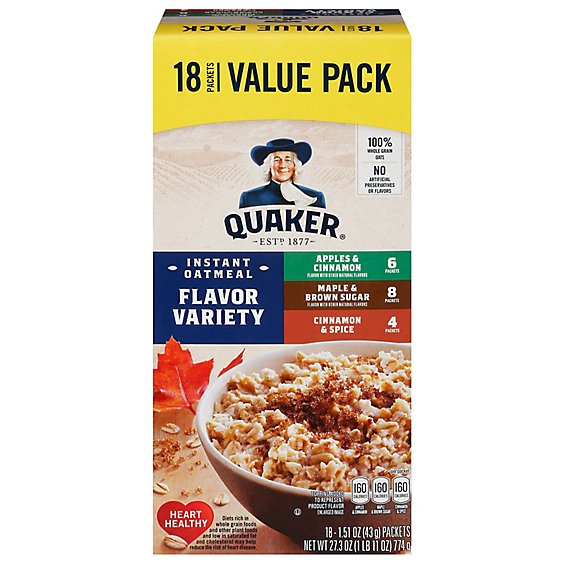
Quaker Oatmeal Instant Flavor Variety Value Pack - 18-1.51 Oz


This Quaker Oatmeal Instant Flavor Variety Value Pack is a great way to get your nutrition on the go. With 18 single-serve packets of oatmeal, including 6 Apples & Cinnamon, 8 Maple & Brown Sugar, and 4 Cinnamon & Spice varieties, this value pack is a delicious and convenient way to enjoy the goodness of oats. Each packet contains no artificial preservatives or flavors and provides 160 calories per serving. Plus, each packet contains 100% whole grain oats and is a good source of fiber. Enjoy knowing you are getting Heart Healthy nutrients with every delicious bowl!
- Variety of flavors offers a different taste experience every day.
- Value pack provides great savings for regular oatmeal consumers.
- Instant preparation ensures a quick and easy breakfast option.
- The 1.51 Oz individual pack size makes portion control simple and convenient.
- Many reviewers appreciate the health benefits associated with consuming Quaker Oatmeal.
- The product is praised for its high-quality taste compared to other instant oatmeals.
- Customers love the portability of the individual packs, perfect for on-the-go meals.


