


Steel-Cut vs Rolled vs Instant Oats: Which Should You Buy?


Bestsellers for Oatmeal & Hot Cereal
All oatmeal starts as the same thing: a whole oat grain called a groat. The difference between steel-cut, rolled, and instant is how much that groat gets chopped, steamed, and flattened before it reaches your bowl.
The short answer for most people: rolled oats. They cook in 5 minutes, keep you full, and deliver the health benefits that make oats worth eating. Steel-cut are slightly better for blood sugar but take 25 minutes. Instant are fine plain, but most people buy the flavored packets, which are loaded with sugar. Rolled oats hit the sweet spot.
How the types are made
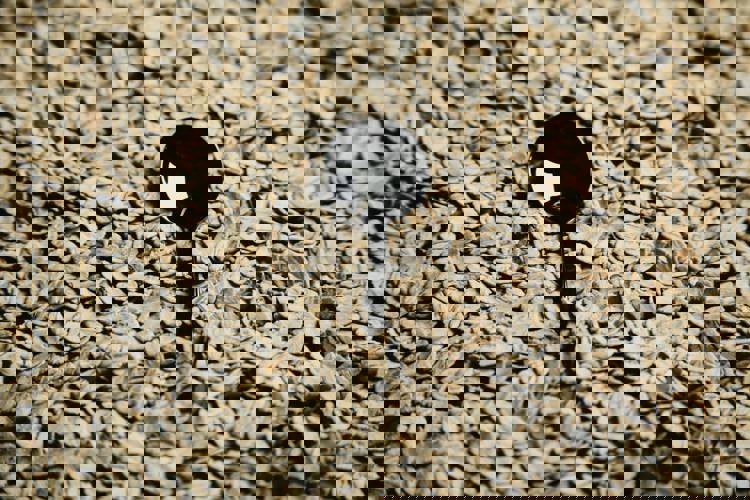
Every oat goes through the same first steps. The outer hull (inedible) gets removed, and the groat is heated to develop flavor and stop the fats from going rancid. After that, the paths split.
Steel-cut oats are groats chopped into 2-3 pieces with steel blades. No steaming, no rolling. They keep more of their original structure, which is why they're chewy and take 20-30 minutes on the stove.
Rolled oats (old-fashioned oats) are groats steamed to soften them, then pressed flat between heavy rollers. More surface area, faster cooking. About 5 minutes. This is what most people picture when they think of oatmeal.
Quick oats are rolled oats cut into smaller pieces first and rolled thinner. One to 3 minutes.
Instant oats get the most processing. Cut small, steamed longer, rolled thinner, pre-cooked, then dehydrated. Just add hot water. The oats themselves are nutritionally fine. The problem is that almost everything in the instant aisle is a flavored packet with 12 grams of added sugar.
What the nutrition label won't tell you
Here's the thing that surprises people. Pull up the nutrition facts for steel-cut, rolled, and instant oats side by side. They're nearly identical. About 150 calories, 5-6 grams of protein, 4 grams of fiber per half-cup dry serving. If you're paying a premium for steel-cut thinking you're getting dramatically better nutrition, the label says otherwise.
But the label misses the important part. The differences show up in how your body responds after you eat.
Blood sugar. Steel-cut oats have a glycemic index around 53 (low). Rolled oats sit at 55-57 (still low). Instant oats jump to 79-83 (high). A 2019 clinical trial found instant oatmeal spiked blood sugar about the same as refined white bread. Steel-cut raised it 28% less.
The reason is surface area. The more an oat has been chopped, steamed, and flattened, the faster digestive enzymes reach the starch inside. Steel-cut oats still have intact cell walls slowing enzymes down. Instant oats have been essentially pre-digested by the factory.
For people managing diabetes or prediabetes, this gap matters. The American Diabetes Association lists whole oats as a "superstar food," and studies show regular oat consumption reduces HbA1c (a measure of average blood sugar over 2-3 months) by 0.4-0.5%, comparable to some diabetes medications. But those benefits come from minimally processed oats, not flavored instant packets.
For everyone else, the gap is real but manageable. Adding nuts, yogurt, or an egg to any oatmeal blunts the blood sugar spike significantly.
Satiety. Steel-cut and rolled oats keep you full longer than instant. One study found children who ate instant oatmeal consumed 81% more food at their next meal compared to children who ate eggs. Children who ate steel-cut ate 51% more than the egg group, but noticeably less than the instant group. The more intact the oat, the longer it takes your stomach to break it down.
Cholesterol. This is the one where processing matters in a way most people don't realize. All oats contain a fiber called beta-glucan (a soluble fiber that forms a thick gel in your digestive tract). That gel traps bile acids made from cholesterol and carries them out. Your liver pulls cholesterol from your blood to make replacements, which drives LDL down.
All oats have beta-glucan. But processing affects its molecular weight, which is basically how large the fiber molecules are. Larger molecules form thicker gel, which traps more cholesterol. A 2010 study in the American Journal of Clinical Nutrition found that high and medium molecular weight beta-glucan significantly lowered LDL. Low molecular weight beta-glucan, from aggressive processing, did not.
Steel-cut and rolled oats keep beta-glucan at a high molecular weight. Plain instant oats are still fine. The real problem is heavily extruded products, like some instant oat cups and oat cereals, where extreme heat breaks the beta-glucan molecules apart. A 2018 review in Food & Function confirmed this: whole, minimally processed oat foods lowered cholesterol more effectively than purified beta-glucan added to other products. The intact plant structure helps the fiber do its job.
All three differences point the same direction. Less processing preserves more of what makes oats useful. Steel-cut is the least processed, rolled is close behind, and instant is where the meaningful drop-off begins. But the gap between steel-cut and rolled is small. The gap between rolled and instant is where it matters.
Which type to buy
If blood sugar is your concern (diabetes, prediabetes, or you crash mid-morning): steel-cut or rolled. Both have a low glycemic index. Steel-cut is slightly better, but the 2-point difference rarely justifies 25 extra minutes of cooking. Keep portions to half a cup dry (about 27 grams of available carbs) and add protein and fat to every bowl. If you have diabetes or prediabetes, talk to your doctor about how oats fit into your overall plan.
If your doctor flagged your cholesterol: any plain oats, eaten consistently. That's the key word. Eating oats regularly drives the benefit, not obsessing over which variety. You need about 3 grams of beta-glucan daily. That's three-quarters of a cup dry, or roughly 1.5 cups cooked. A third of a cup of oat bran delivers 3 grams on its own if you want a shortcut. Safeway carries Bob's Red Mill oat bran.
One important note if you're on statins: eat your oatmeal at a different time than you take your medication. Oat fiber can reduce statin absorption if eaten at the same time.
If you're short on time: quick oats (1-3 minutes, nutritionally close to rolled) or overnight oats made the night before. Both are much better choices than flavored instant packets.
If you're on a budget: store-brand oats. Signature SELECT old-fashioned oats run about $3.49 for 18 ounces at Safeway. Quaker is around $4.99 for the same size. O Organics (Safeway's organic store brand) is about $5.99. The nutritional difference between brands of the same oat type is negligible. You're paying for the name on the box.
If you need gluten-free: Bob's Red Mill produces gluten-free oats in a dedicated facility (called "purity protocol"), testing below 5 parts per million. They carry steel-cut, rolled, and quick in gluten-free versions at Safeway.
If you want higher protein: Kodiak oats pack 10-14 grams per serving. Or just add your own protein (Greek yogurt, nuts, eggs) to any plain oats, which is cheaper and gives you control over the source.
Overnight oats deserve their own section
A 2019 clinical trial found that overnight oats produced a blood sugar response similar to steel-cut oats, and significantly better than quick or instant oatmeal.
That's surprising. Overnight oats are made from rolled oats, which should behave like rolled oats. But soaking them in liquid overnight changes the starch structure in a way that slows digestion, similar to how cooking and cooling rice creates resistant starch. You get steel-cut blood sugar performance with zero cooking and zero morning effort.
Soaking also breaks down phytic acid (a compound that blocks mineral absorption). One study found iron absorption improved by 47% and zinc absorption went from 12% to 18% when oats were soaked. Adding something acidic like yogurt or a splash of lemon juice speeds this up.
The ratio: Half a cup rolled oats, half a cup milk (any kind), quarter cup Greek yogurt. Add a tablespoon of chia seeds if you want it thicker. Refrigerate overnight. Keeps 3-4 days, so you can make four jars on Sunday and be set through Thursday.
Use rolled oats. Steel-cut stay too hard. Quick oats turn to mush.
Safeway carries MUSH (refrigerated, ready-to-eat overnight oats) if you want to try the concept before committing. They also sell an overnight oats ingredient bundle with Bob's Red Mill rolled oats, almond milk, and chia seeds.
The deeper health picture
Most of the buying advice above is all you need. But if you landed on this article because a blood test came back wrong and your doctor said "eat more oats," here's the fuller picture.
How much cholesterol reduction to actually expect
The FDA approved a health claim for oats in 1997. It was the first food to ever receive one. Multiple meta-analyses covering thousands of participants show oats reduce LDL by about 5-7% with regular consumption at 3 grams of beta-glucan per day.
That's meaningful but modest compared to statins (15-58% reduction). Oats aren't a replacement for cholesterol medication. But one study (Moreyra 2005, JAMA Internal Medicine) found adding soluble fiber let patients cut their statin dose in half while maintaining the same LDL levels. The combination is more interesting than either one alone.
A 2026 study from the University of Bonn added a new piece. Gut bacteria break down oat compounds into molecules called phenolic metabolites that directly regulate fat metabolism. A specific gut bacteria (Erysipelotrichaceae) increased with oat consumption, and more of it correlated with lower cholesterol. This may explain why whole oat foods outperform isolated beta-glucan supplements. The food feeds the bacteria that do part of the work.
Blood sugar beyond breakfast
A large observational study (Shen 2021) found people who ate the most oats had a 22% lower risk of developing type 2 diabetes compared to those who ate the least. A 2025 dose-response study found that 4 grams of oat beta-glucan at breakfast improved glucose tolerance not just at that meal but also at lunch. The benefits carried through the day.
Digestion
Oats feed beneficial gut bacteria, acting as a prebiotic. The bacteria produce butyrate, a short-chain fatty acid that feeds the cells lining your colon. This is the same microbiome pathway the Bonn cholesterol study identified.
For constipation specifically, oat bran is remarkably effective. A study of elderly hospital patients found that 7-8 grams of oat bran daily for 12 weeks allowed 59% of them to stop using laxatives entirely.
If you have IBS, portion size matters. Rolled oats are low in FODMAPs (types of carbohydrates that can trigger digestive symptoms) at half a cup dry. Quick and instant oats are low FODMAP only at a quarter cup. Start small.
Gluten-free oats
Oats are naturally gluten-free. The problem is contamination. They're often grown in fields rotated with wheat and processed in facilities that handle wheat, barley, or rye. Studies show nearly half of products labeled "gluten-free oats" have tested above the 20 parts-per-million threshold. That's a striking number.
If you have celiac disease, this matters. Look for purity protocol oats from a dedicated facility. Bob's Red Mill's gluten-free line is the most widely available option at Safeway. Most people with celiac tolerate pure oats well. Only about 3% react to avenin, a protein specific to oats.
If you don't have celiac disease or gluten sensitivity, the "gluten-free" label on oats is a contamination control measure. Regular oats are fine.
How to read an oatmeal label
You've picked your type. You're standing in the aisle comparing boxes.
Ingredient list
Plain oats: one ingredient. Whole grain oats. That's it.
Flavored packets get creative with sugar. Brown sugar, cane sugar, maple syrup, honey, dextrose, maltodextrin, corn syrup, fructose, molasses. Anything ending in "-ose" is a sugar. Some manufacturers split sugar into three or four different forms so no single one appears first on the ingredient list. The total is the same. They're hoping you don't add them up.
Nutrition panel
Added sugars is the most important line on any flavored oatmeal. Plain oats: zero. Quaker Maple & Brown Sugar: 12 grams (3 teaspoons). Some brands hit 19 grams. If you're buying flavored, look for 8 grams or less.
Fiber should be 3-4 grams per serving for plain oats. If a flavored product drops below 3, the oat content has been diluted.
Protein: 5-6 grams for plain oats. Products advertising higher protein are fine, but check the source. Whole food additions like nuts beat pea protein isolate or soy protein isolate on the ingredient list.
Serving size: half a cup dry (about 40 grams), making roughly one cup cooked. Some brands use a smaller serving to make sugar numbers look better. Compare apples to apples.
Packaging claims worth understanding
"Whole grain." True but meaningless as a differentiator. All plain oats, steel-cut through instant, are whole grains. Every product in the aisle qualifies.
"Non-GMO." There are no commercially grown GMO oats anywhere in the world. This label tells you nothing about pesticides, farming practices, or quality.
"Organic." This is the one that actually means something for oats specifically. USDA Organic oats typically have very low or undetectable glyphosate residues. Conventional oats can have higher levels. If pesticide residue concerns you, organic is what to look for. Not Non-GMO.
The heart health claim. Language about soluble fiber and heart disease risk on the box is the FDA-authorized health claim from 1997. It means the product provides at least 0.75 grams of beta-glucan per serving. It's not marketing copy. It's a regulated claim with research behind it.
The "Oatzempic" thing
A viral social media recipe blends oats, water, lime juice, and cinnamon into a smoothie and claims it mimics the weight-loss drug Ozempic.
There is a real connection, buried under the hype. Oat beta-glucan stimulates GLP-1, the same hormone Ozempic targets. But the effect is far weaker than the medication. Using blended oats as a meal replacement also means not getting enough protein, which leads to muscle loss. The Mayo Clinic published a piece cautioning against it.
Oatmeal genuinely helps with appetite control. The beta-glucan gel slows stomach emptying and triggers satiety hormones. At higher doses (above 4 grams of beta-glucan, meaning a large serving or a serving plus oat bran), studies show people eat about 95 fewer calories at their next meal. That's real. It's also what a modest, sustainable dietary change looks like, not a drug replacement.
FAQ
Are steel-cut oats worth the longer cooking time compared to rolled oats? For blood sugar, yes, they're measurably better than instant. But rolled oats are close behind and cook in a quarter of the time. If the choice is between steel-cut oats you'll actually make and instant packets you'll grab instead, rolled oats or overnight oats are the better answer.
Can I eat oatmeal every day? Yes. No adverse effects in studies lasting up to 24 weeks. The cholesterol benefits depend on regular intake. Some gas and bloating is common the first week or two as your gut adjusts. It passes.
Is instant oatmeal bad for you? Plain instant oats are not bad. Same calories, same protein, same fiber as any other oat. The blood sugar response is higher and you won't stay full as long, but adding nuts or yogurt closes much of that gap. The real problem is flavored instant packets: 12-19 grams of added sugar per serving. Buy plain instant and add your own toppings.
What's the difference between quick oats and instant oats? Quick oats are cut smaller and rolled thinner than regular rolled oats, but they're not pre-cooked. They need 1-3 minutes of actual cooking. Instant oats are pre-cooked and dehydrated. Just add hot water. Quick oats have better texture and a slightly lower glycemic index.
Do I need to soak oats before cooking them? Not required, but soaking breaks down phytic acid, a compound that blocks iron and zinc absorption from that meal. If you eat a varied diet, minor concern. If you're iron-deficient or mostly plant-based, soaking overnight with a splash of yogurt, lemon juice, or apple cider vinegar helps meaningfully.
Does eating oatmeal help with weight loss? It helps with appetite control, which is the boring, real version of weight management. Beta-glucan (the soluble fiber in oats) slows digestion and triggers fullness hormones. Steel-cut and rolled oats are more filling than instant. But what you put in the bowl matters just as much. Oatmeal with peanut butter and half a banana is a 280-calorie meal that holds you for hours. Oatmeal with brown sugar, dried fruit, granola, and a generous honey pour is 500+ calories that you'll be hungry after anyway.
Safeway Buying Guide
Quaker Oats Quick 1 Minute - 18 Oz



Quaker Oats Quick 1 Minute - 18 Oz is a 100% Whole Grain oat product that is certified by the American Heart Association for meeting criteria for heart-healthy food and has no preservatives, added sugars, artificial flavors or added colors. It contains 0g of trans fat per serving and provides 4g of dietary fiber per serving. It also has soluble fiber that helps reduce cholesterol when part of a diet low in saturated fat and cholesterol.
- Quick to prepare: Many customers appreciate the convenience of these oats, which can be ready in just 1 minute.
- Versatile: Users love the versatility of these oats, which can be used in a variety of recipes from breakfast oatmeal to baking.
- Healthy choice: Customers praise the fact that the oats are a nutritious option, being low in fat and high in fiber.
- Great texture: Several reviews mention that these oats have a great texture, not too mushy or crunchy.
- Good size packaging: The 18 Oz size is appreciated by customers for being substantial enough to last but not so large it takes up too much pantry space.
- Consistent quality: Users have noted the consistently high quality of Quaker Oats, trusting the brand for their oatmeal needs.
- Value for money: Customers feel that they get a good amount of product for the price, making it a cost-effective choice.
Quaker Oats Whole Grain Quick 1 Minute - 42 Oz


Quaker Oats Whole Grain Quick 1 Minute is a convenient and delicious way to enjoy a nutritious breakfast.
This product is an excellent option for busy mornings, as it only takes one minute to prepare. It is made with 100% natural whole grain oats and contains no sodium, making it an ideal choice for people following low-sodium diets. It also provides essential nutrients such as protein, dietary fiber and iron to help keep you full throughout the morning. Moreover, it can also be used as an ingredient in many recipes for a healthy and tasty meal.
- Quick to prepare: Customers appreciate the convenience of the 1-minute preparation time.
- Healthy choice: Many reviews mention loving that it's a whole grain product, contributing to a healthier diet.
- Large size: The 42 Oz pack is appreciated for offering good value and lasting a long time.
- Versatile: Users love that they can use it for both sweet and savory dishes, making it a versatile pantry staple.
- Tastes great: Several reviews highlight the excellent taste of these Quaker oats.
- Great texture: Customers enjoy the texture of these oats, saying they are neither too mushy nor too hard after cooking.
- Well-known brand: Many customers trust and prefer Quaker Oats due to its long-standing reputation.
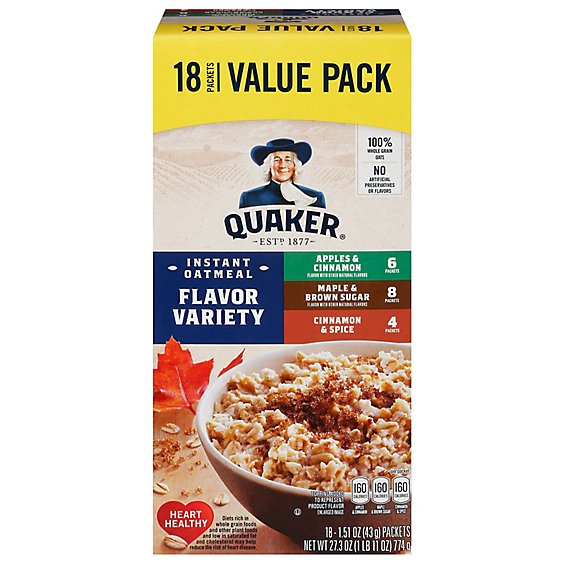
Quaker Oatmeal Instant Flavor Variety Value Pack - 18-1.51 Oz


This Quaker Oatmeal Instant Flavor Variety Value Pack is a great way to get your nutrition on the go. With 18 single-serve packets of oatmeal, including 6 Apples & Cinnamon, 8 Maple & Brown Sugar, and 4 Cinnamon & Spice varieties, this value pack is a delicious and convenient way to enjoy the goodness of oats. Each packet contains no artificial preservatives or flavors and provides 160 calories per serving. Plus, each packet contains 100% whole grain oats and is a good source of fiber. Enjoy knowing you are getting Heart Healthy nutrients with every delicious bowl!
- Variety of flavors offers a different taste experience every day.
- Value pack provides great savings for regular oatmeal consumers.
- Instant preparation ensures a quick and easy breakfast option.
- The 1.51 Oz individual pack size makes portion control simple and convenient.
- Many reviewers appreciate the health benefits associated with consuming Quaker Oatmeal.
- The product is praised for its high-quality taste compared to other instant oatmeals.
- Customers love the portability of the individual packs, perfect for on-the-go meals.


