


Valentine's Day Flowers at Safeway
Safeway stocks Valentine's flowers in every store, with expanded inventory in the weeks before February 14th. You can walk in and buy from what's on display, order online for pickup, or send flowers directly to someone through delivery. Prices vary widely, from affordable single stems and simple bunches to premium arrangements in vases
 Check Out Valentine’s Day 🌹 Gifts.
A Note on Timing and Availability
Flower inventory changes daily, especially around Valentine's Day. What you see online may differ from what's in your local store. Popular arrangements sell out. Delivery and pickup slots fill up.
If you're shopping on February 14th, walking into a store is more reliable than hoping for same-day delivery. If you're shopping a few days ahead, online ordering locks in your selection before you arrive.
Roses
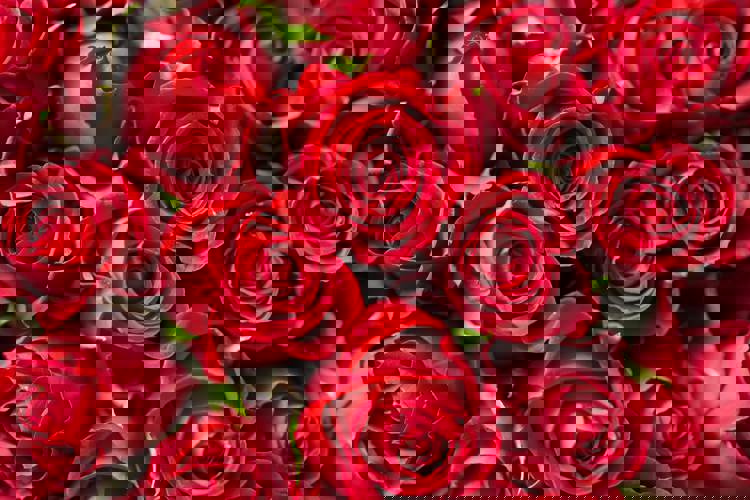
Roses are the default Valentine's flower for a reason. They're universally recognized as romantic, widely available, and come in enough varieties to fit different budgets and tastes.
What Safeway Typically Carries
Single stems: Individual roses wrapped in cellophane, usually near checkout or in a cooler by the floral section. These are the most affordable option. Good for small gestures, budget gifts, or adding to another gift.
Half-dozen arrangements: Six roses with some greenery and filler. Mid-range pricing. The ones in a sleeve cost less than the ones in a box or vase.
Dozen roses: The classic Valentine's gift. Prices vary widely based on presentation. Basic sleeves cost less; arrangements in vases with additional flowers and greenery cost more. Premium lines like Debi Lilly are at the higher end.
Two-dozen arrangements: Available at some stores for larger statements. Premium pricing.
Rose Colors and What They Signal
Red is the safe choice for romantic partners. It says exactly what Valentine's Day is supposed to say. No ambiguity.
Pink works for romance but also for appreciation. Good for newer relationships, friends, or family members like your mom. Less intense than red but still clearly affectionate.
White suggests purity or new beginnings. Often used in mixed arrangements to add contrast. Can feel formal on its own.
Yellow traditionally means friendship. Give these to friends, not romantic partners, unless you know they specifically love yellow.
Orange reads as energy and enthusiasm. Less common for Valentine's Day but works if the recipient likes bold colors.
Lavender suggests uniqueness or enchantment. A distinctive choice for someone who doesn't want the expected red.
For most people buying Valentine's flowers, red or pink is the right call. If you know the recipient's favorite color, that matters more than traditional symbolism.
How to Tell if Roses Are Fresh
Look at the petals. Fresh roses have firm, tightly closed or just-opening buds. Avoid roses with petals that are already fully open, browning at the edges, or drooping.
Check the stems. They should be firm and green, not slimy or brown at the bottom.
Look at the leaves. Fresh leaves are deep green and firm. Yellowing or wilting leaves suggest the flowers have been sitting too long.
Gently squeeze the base of the bloom where it meets the stem. It should feel firm. Soft or mushy means the flower is past its prime.
Other Valentine's Flowers
Roses aren't the only option. These flowers also work for Valentine's Day and may be available when roses are picked over.
Tulips
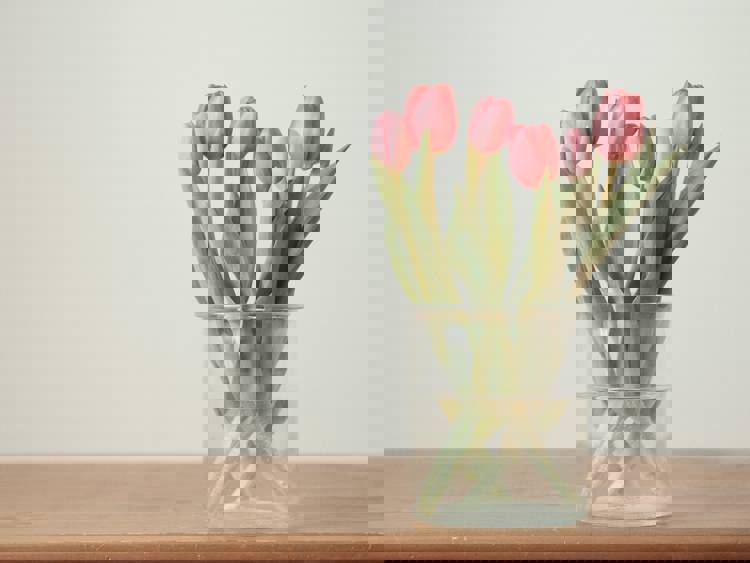
Tulips signal spring and feel cheerful without the intensity of roses. They come in red, pink, white, purple, yellow, and variegated varieties. Generally less expensive than roses.
Tulips continue to grow after cutting, sometimes several inches. They also bend toward light, so the arrangement will shift over time. Some people love this; others find it messy.
Vase life: 5-7 days with proper care.
Lilies
 Lilies add drama to arrangements with their large, showy blooms. Stargazer lilies have a strong, sweet fragrance that fills a room. Asiatic lilies are similar but less fragrant.
One thing to know: lily pollen stains. The orange or brown anthers in the center of the bloom leave marks on fabric, skin, and furniture. You can remove them with a tissue before they open fully.
Lilies often appear in mixed arrangements rather than solo bouquets. They're a good way to make a bouquet look more expensive.
Vase life: 7-14 days. Blooms open gradually, so the arrangement changes over time.
Carnations
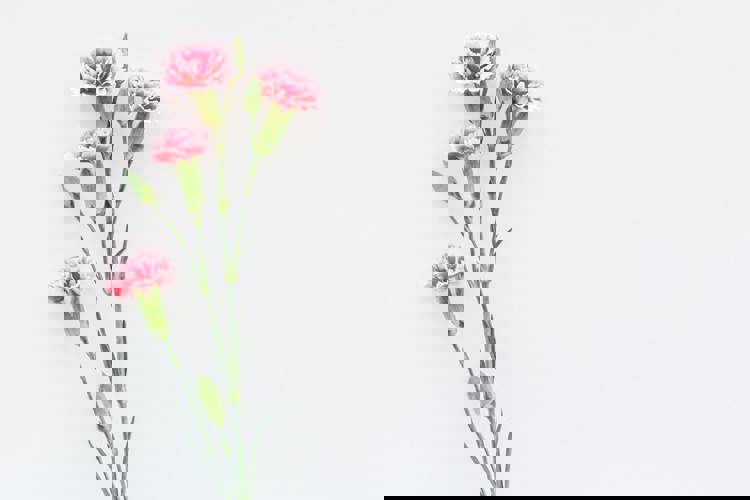
Carnations get dismissed as cheap flowers, but that reputation is outdated. Modern carnations come in rich colors, last longer than most flowers, and cost less than roses.
Red and pink carnations carry Valentine's associations. They're a solid choice when roses are sold out or over budget. One of the more affordable options in the floral section.
Vase life: 2-3 weeks with proper care, longer than almost any other cut flower.
Gerbera Daisies
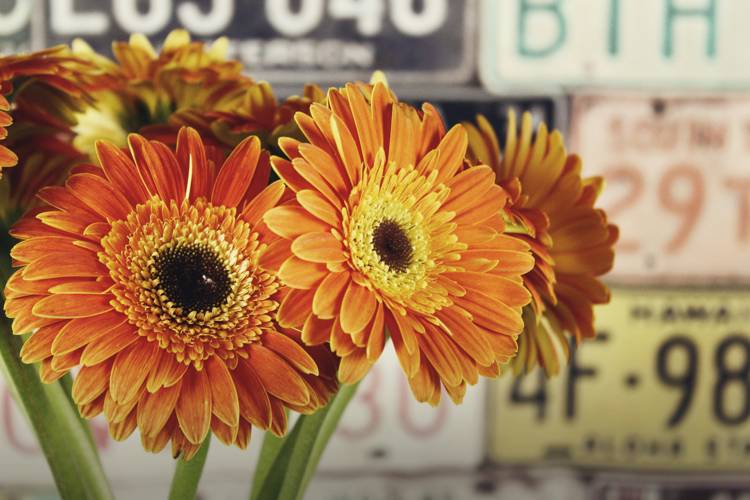
Bright, cheerful, and available in almost every color. Gerbera daisies feel happy rather than romantic, which makes them good for friends, kids, or anyone who prefers playful over traditional.
The large, flat blooms photograph well. They're popular for this reason.
Vase life: 7-10 days. The stems can get bendy; some people use tape or wire to keep them upright.
Alstroemeria (Peruvian Lilies)
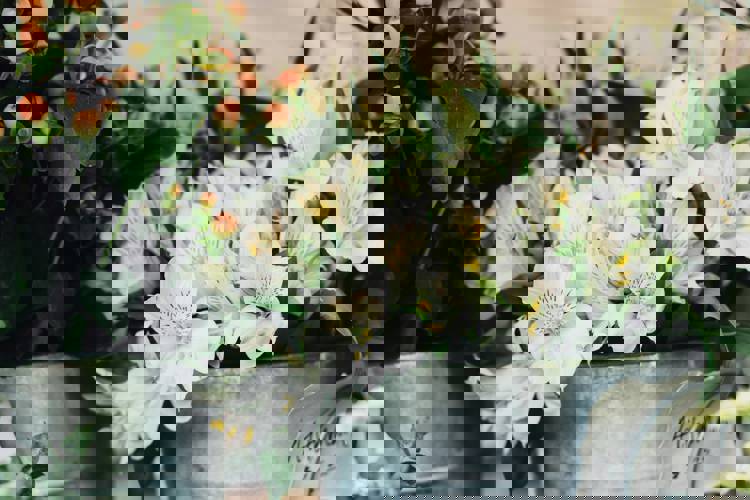
These small, lily-like flowers come in bunches and last a long time. They're common in mixed bouquets and grocery store arrangements because they're hardy and inexpensive.
Available in pink, red, orange, yellow, white, and purple. Often have speckled or streaked petals.
Vase life: 2 weeks or more. One of the longest-lasting cut flowers.
Orchids
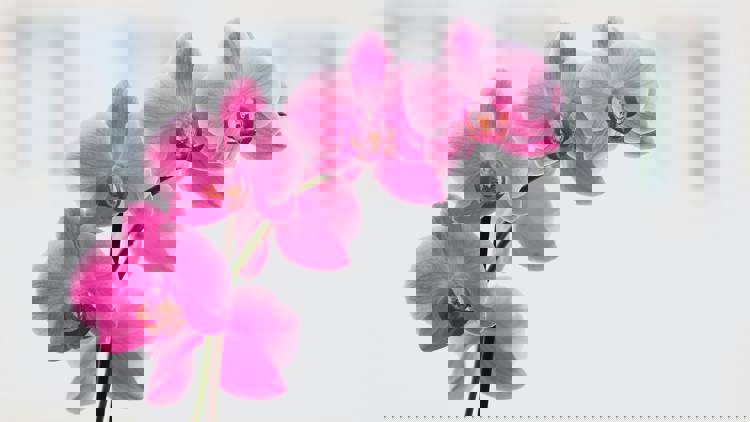
Potted orchids last weeks or months rather than days. They look elegant and signal that you put thought into the gift. Phalaenopsis (moth orchids) are the most common variety in grocery stores.
Orchids require some care to keep alive long-term, but they're not as difficult as their reputation suggests. They need indirect light and water about once a week.
Pricing is mid-range to premium, but you're getting weeks or months of enjoyment rather than days.
Hydrangeas
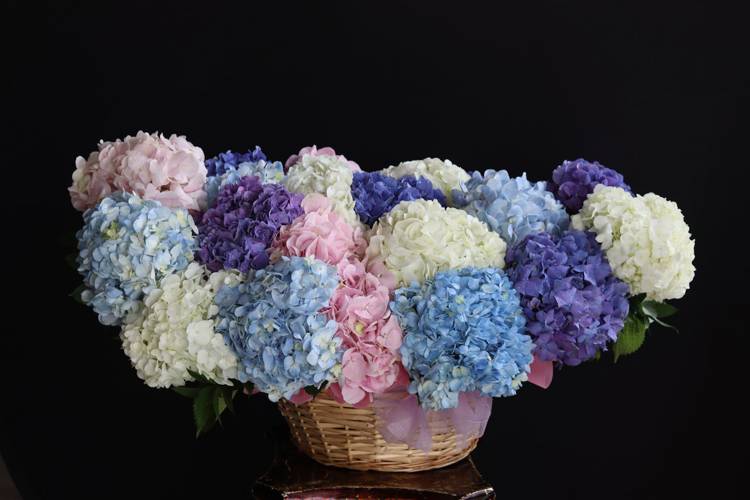
Large, fluffy blooms that make a statement. One or two stems can fill a vase. They come in blue, purple, pink, and white.
Hydrangeas drink a lot of water and wilt quickly if they dry out. Check the water level daily.
Vase life: 7-10 days with attentive care. They're thirsty flowers.
Sunflowers
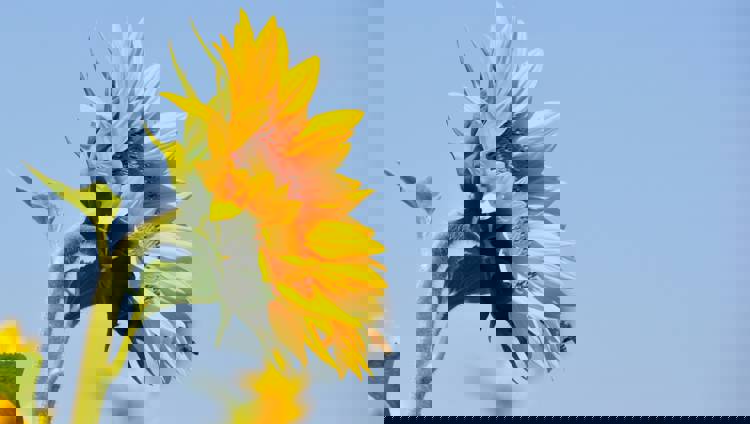
Unusual for Valentine's Day but cheerful and distinctive. Sunflowers say "you make me happy" more than "I love you romantically." Good for friends or partners who prefer non-traditional gifts.
Vase life: 7-12 days.
Ranunculus
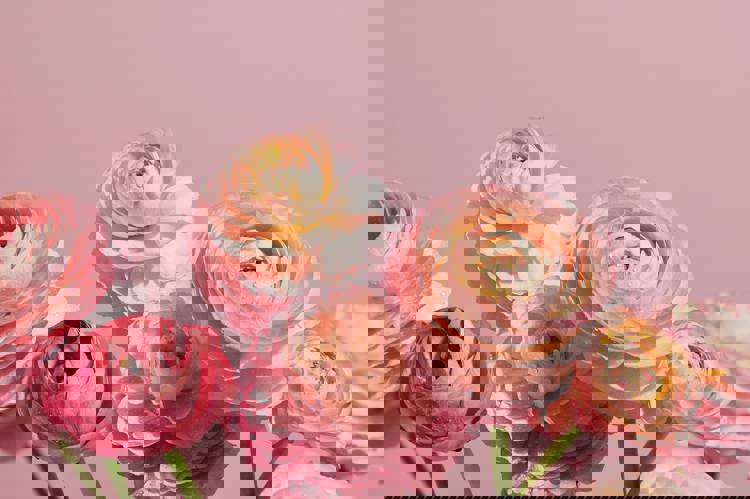
Tightly layered petals that look like peonies but are available earlier in the season. These feel more sophisticated than standard grocery store flowers. Not all stores carry them.
Vase life: 7-10 days.
Baby's Breath (Gypsophila)
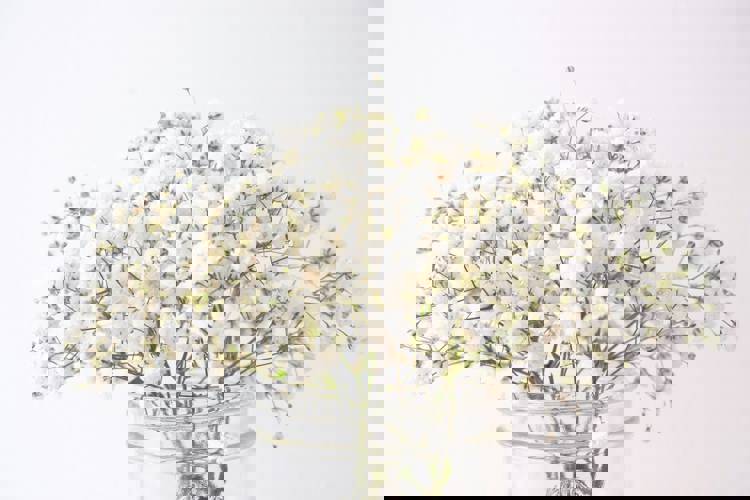
Tiny white flowers on delicate stems. Traditionally used as filler in arrangements, but bunches of baby's breath on their own have become trendy.
One of the most affordable options in the floral section.
Vase life: 7-14 days. Can also be dried and kept indefinitely.
What's Usually NOT Available in February
Peonies: Peak season is late spring. If you find them in February, they're expensive imports.
Dahlias: Summer and fall flowers. Not typically available in February.
Garden roses: The large, fragrant roses with many petals. Sometimes available but often out of season in February.
Mixed Bouquets and Arrangements
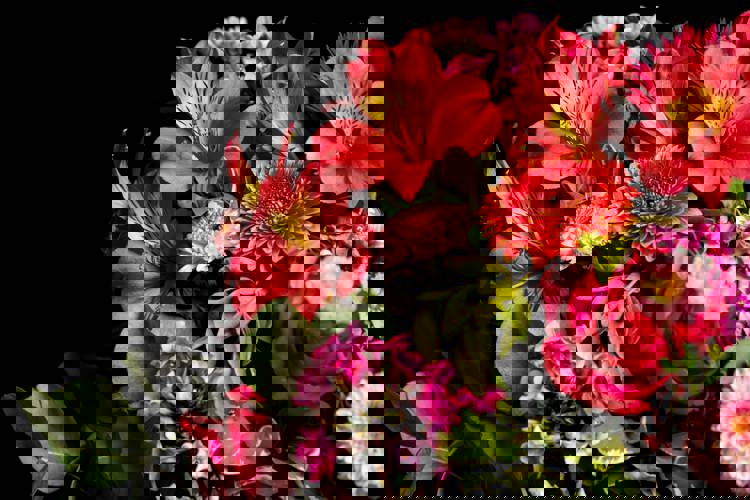
Mixed bouquets combine several flower types, usually roses with lilies, carnations, baby's breath, and greenery. These offer more visual interest than a single flower type and often cost less than an equivalent number of roses alone.
What "Premium" Actually Means
The difference between a budget arrangement and a premium one usually comes down to:
Container: Flowers in a sleeve or cellophane cost less than flowers in a vase, box, or decorative container. You're paying for the vessel.
Flower count: More stems cost more. Premium arrangements have more blooms.
Flower types: Roses cost more than carnations. Lilies cost more than alstroemeria. Premium arrangements use more expensive flowers.
Design complexity: Simple bunches cost less than arrangements with intentional design, varied heights, and complementary textures.
Freshness guarantee: Premium lines sometimes come with longer freshness guarantees.
Choosing Between Arrangements
If you're choosing between two arrangements at similar prices, look at:
Bloom count: Count the actual flowers, not including greenery or filler. More blooms generally means better value.
Flower condition: Check for freshness using the tips above. A less expensive arrangement with fresh flowers beats a pricier one that's been sitting out.
Presentation: Does it look intentional or thrown together? Are the colors complementary? Is there variety in height and texture?
How to Buy Flowers at Safeway
In-Store
Walk in, browse the floral section, and check out. For Valentine's Day, expect an expanded display near the store entrance in addition to the regular floral department.
Staff can sometimes modify arrangements if you ask. Different ribbon, a card holder added, a balloon attached. Depends on store staffing and how busy they are.
This is your most reliable option on Valentine's Day itself because you're not competing for delivery slots.
Drive Up & Go
Order on safeway.com or the app, select Drive Up & Go, and pick up at the store without going inside. Staff brings your order to your car.
Orders are ready in as little as 3 hours. The catch: pickup slots fill up around Valentine's Day. Check availability before counting on this. If you're planning to use it on February 14th, the slots may already be taken.
Same-Day Delivery
Order online and have flowers delivered to your address or someone else's. Delivery fees vary by time slot and order size.
Delivery slots are limited and fill up fast around Valentine's Day. Don't assume you can order at noon on February 14th and get afternoon delivery. Check slot availability first.
Flash Delivery
Available in some areas, Flash delivers in as fast as 30 minutes. Only available 8am-5pm with a 35-item limit. Covers flowers, so it's an option for true last-minute orders if you're in a service area during operating hours.
Sending to Someone Else
Use the gifting feature when ordering online. Enter the recipient's address at checkout and include a message. Safeway prints your message on a card included with the delivery.
Same delivery slot limitations apply. If you're sending flowers for Valentine's Day delivery, book the slot early.
Keeping Flowers Fresh
Proper care adds days to flower life. Here's what actually matters:
Cut the stems. Trim half an inch off the bottom at an angle before putting flowers in water. Use sharp scissors or a knife. This opens fresh channels for water absorption.
Use clean water. Fill a clean vase with room-temperature water. Change it every two days. Bacteria in old water shortens flower life.
Use the flower food packet. Most bouquets include one. It provides nutrients and inhibits bacterial growth. Follow the package directions.
Remove leaves below the waterline. Any submerged leaves rot and breed bacteria. Strip them off.
Keep flowers cool. Away from direct sunlight, heating vents, radiators, and appliances that generate heat. Cooler environments extend vase life.
Keep flowers away from fruit. Ripening fruit releases ethylene gas, which accelerates wilting.
With proper care, roses last 7-10 days. Carnations and alstroemeria can last 2-3 weeks. Tulips and lilies fall somewhere in between.
When to Shop
Before February 12th: Best selection. Prices haven't peaked. Online slots available. You can order for Valentine's Day pickup or delivery without stress.
February 12-13: Good selection. Delivery slots filling up. Order early in the day for the best time options.
February 14th morning: Selection varies by store. Popular arrangements may be gone. Online slots likely full. If ordering online, do it first thing.
February 14th afternoon: You get what's left. Single stems and basic bouquets usually remain. Premium arrangements are often gone.
For guaranteed availability of a specific arrangement, order at least two days ahead.
Understanding Price Tiers
Flower prices vary by location and change seasonally, but here's how the tiers generally break down:
Budget-friendly: Single rose stems, small bunches of carnations or alstroemeria, baby's breath bunches. Good for small gestures or adding to another gift.
Mid-range: Tulip bunches, carnation bunches, simple mixed bouquets, half-dozen roses. Solid options that look complete without overspending.
Standard: Dozen roses in basic presentation, quality mixed bouquets, half-dozen roses in a vase. The typical Valentine's gift range.
Premium: Dozen roses with vase and additional flowers, premium mixed arrangements, potted orchids. More impressive presentation.
High-end: Large premium arrangements, designer lines like Debi Lilly, two-dozen roses. Statement gifts.
Prices may be higher online than in-store. Check your local store for current pricing.
Common Questions
Does Safeway have flowers on Valentine's Day?
Yes. Stores receive shipments leading up to and on February 14th. Selection is best in the morning and thins throughout the day as arrangements sell.
How much do roses cost at Safeway?
Prices vary by location and presentation. Single stems are the most affordable. Half-dozen arrangements cost more. Dozen roses vary widely based on whether they're in a sleeve, box, or vase with additional flowers. Check safeway.com or your local store for current pricing.
When should I order Valentine's flowers?
By February 12th for best selection and guaranteed delivery slots. You can try same-day on February 14th, but popular arrangements may be sold out and delivery slots may be full.
How long do Valentine's flowers last?
Depends on the flower. Roses last 7-10 days. Carnations last 2-3 weeks. Tulips last 5-7 days. Lilies last 7-14 days. Proper care extends life significantly.
Can I send flowers to someone through Safeway?
Yes. Use the gifting feature when ordering online. Enter their address and add a message. Same delivery limitations apply, so book early for Valentine's Day.
Are grocery store flowers lower quality than florist flowers?
Not necessarily. Grocery stores move high volume, so flowers are often fresh. The main difference is customization. Florists create custom arrangements; grocery stores sell pre-made ones. For standard Valentine's bouquets, grocery store quality is usually fine.
What if the flowers I want are sold out?
Consider alternatives. Pink roses when red is gone. Mixed bouquets when solid rose arrangements are out. Tulips or lilies as a different option entirely. Or call ahead to check availability before driving to the store.
Can I get same-day flower delivery?
Maybe. Depends on slot availability. Flash delivery (where available, 8am-5pm) can deliver in 30 minutes. Standard delivery requires open slots. Check the app or website. If slots are full, go to the store in person.
How do I know if flowers are fresh?
Look for firm petals that aren't browning at the edges. Buds should be closed or just opening, not fully open. Stems should be green and firm, not slimy. Leaves should be deep green, not yellowing.
What's the best Valentine's flower besides roses?
Tulips are cheerful and widely available. Lilies add drama and fragrance. Carnations last longer than almost anything else. Orchids last weeks instead of days. It depends on what the recipient prefers.