


Bleach or Bleach Alternatives: Which Are Best?
When it comes to keeping your whites bright and your colors vibrant, the age-old question pops up: should you stick with traditional bleach or opt for one of the many alternatives available on store shelves? In this article, we'll explore what exactly bleach is and how it compares to other options out there. Plus, if you're feeling a bit handy or are looking for more natural solutions, we've got some tips on making laundry whiteners right at home using ingredients available at your local Safeway. Whether you're happy with the results you can get with classic bleach or curious about greener choices, let's explore everything you need to know about bleach.
What Is Bleach?
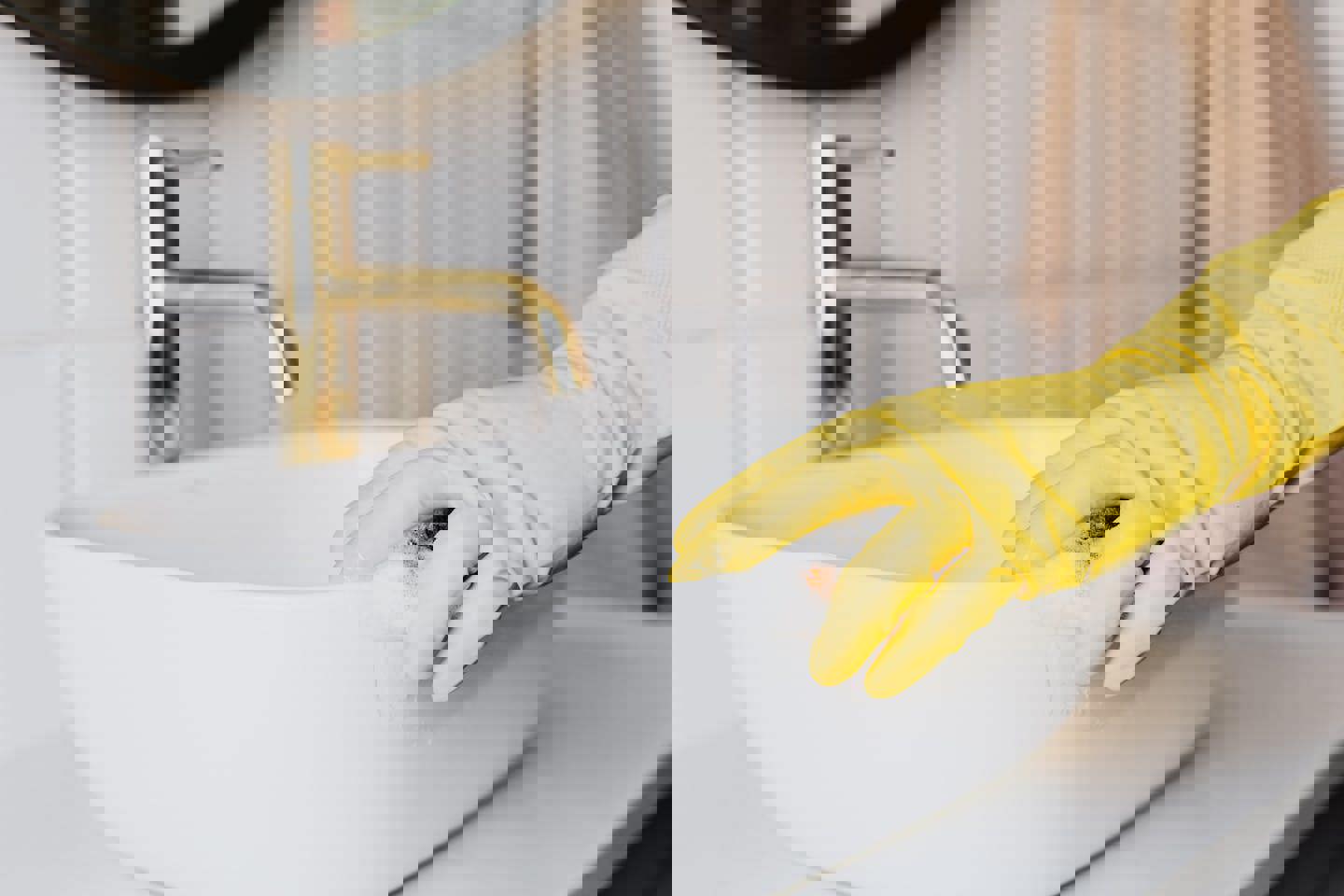
Bleach is a powerful cleaning and disinfecting agent that's been a staple in households for generations. It's known for its ability to remove tough stains, kill germs, and brighten whites. But what exactly makes bleach so effective? At its core, bleach contains chlorine or hydrogen peroxide, which breaks down the molecules in stains and bacteria, making them easy to wash away.
Chlorine-based bleach is great for disinfecting surfaces and whitening clothes. Its strong oxidizing properties break down the cell walls of bacteria and viruses, providing you with a cleaner, safer home environment.
Hydrogen peroxide-based bleach offers a milder alternative. It's less harsh on fabrics and colors but still effective at removing stains and killing germs.
Using bleach not only helps keep your clothes looking fresh but also ensures that surfaces around your home are free from harmful microbes. When used as directed, it can safely disinfect kitchen counters, bathroom surfaces, and other high-touch areas, reducing the risk of illness.
How to Properly Use Bleach
It's important to use bleach correctly to avoid damaging fabrics or surfaces. Always dilute it according to the instructions on the label and test it on a small area first. For laundry, adding bleach during the wash cycle can revive dull whites and eliminate stubborn stains that detergents alone might not tackle. Or, opt for no-splash bleach gels or pods which are less likely to spill or oversaturate fabrics.
In summary, understanding how bleach works can help you make informed decisions about when and how to use it effectively. Whether you're dealing with a messy spill on your favorite shirt or aiming to maintain a germ-free home, knowing the basics of bleach gives you an edge in your cleaning routine. Next up, we'll compare traditional bleach with its alternatives to see which might be best for your needs.
What Are Bleach Alternatives?
Exploring bleach alternatives opens up a world of possibilities for those looking to maintain the cleanliness and brightness of their laundry without relying on traditional bleach. These alternatives are not only effective at tackling stains and keeping clothes looking new, but they also offer benefits that cater to environmentalists, families with pets and kids, and individuals who are sensitive to strong, chemical odors. Let's take a closer look at some popular options you can find right in your local Safeway.
Baking Soda: A household staple, baking soda brightens and deodorizes laundry. Its mild alkaline nature gently lifts stains from fabrics without the harshness of chemicals.
Distilled White Vinegar: Ideal for removing odors and softening clothes, distilled white vinegar is a natural fabric softener that can break down laundry detergent residues without leaving any smell behind.
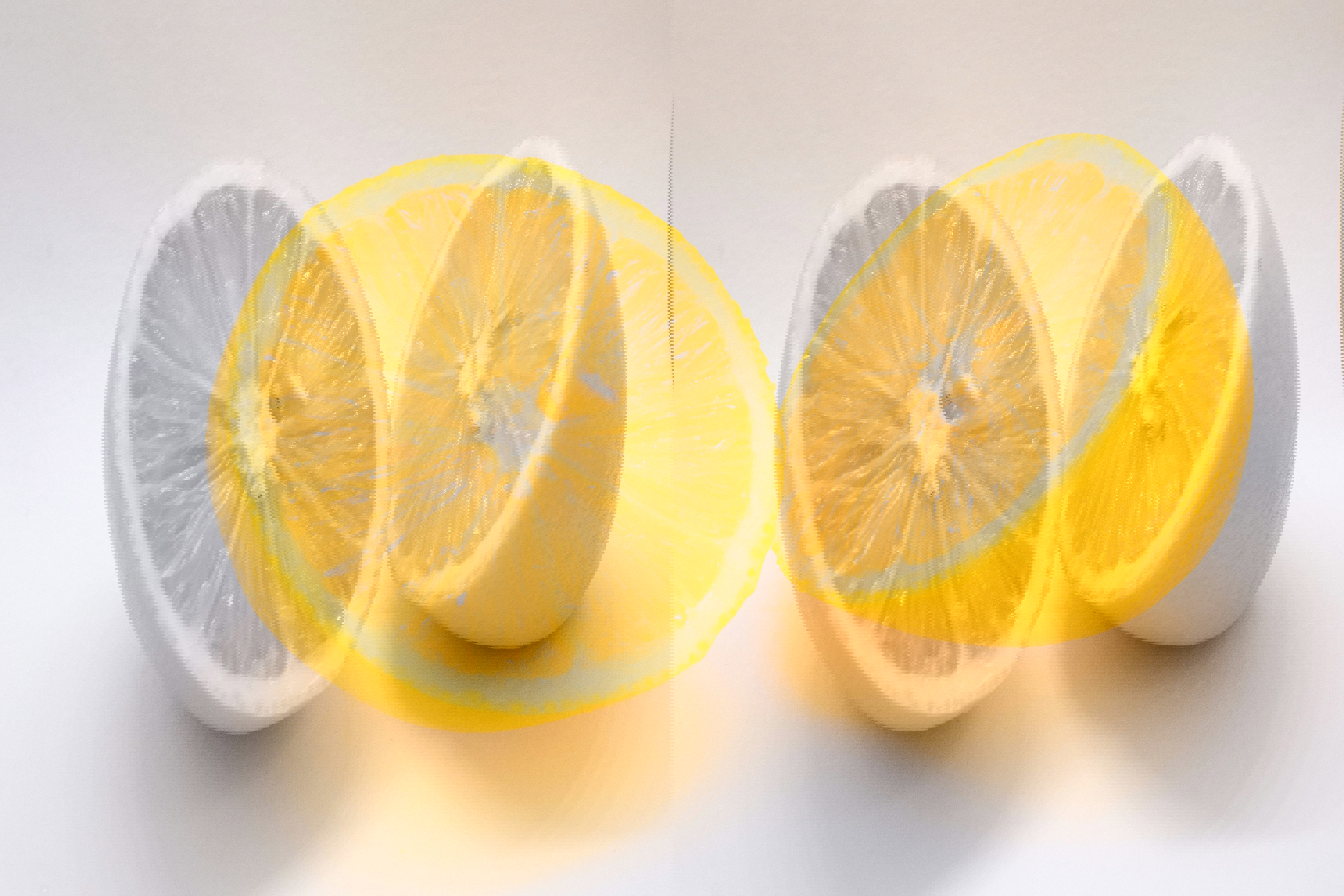
Lemon Juice: Known for its natural bleaching properties, lemon juice can help fade stains on whites when exposed to sunlight. It's perfect for a gentle approach to stain removal.
Hydrogen Peroxide: A milder cousin of chlorine bleach, hydrogen peroxide offers disinfecting properties and is effective at whitening without the risk of yellowing fabrics over time.
Oxygen-Based Bleach: This color-safe alternative is great for brightening colors and whites alike. It releases oxygen when it comes into contact with water, targeting stains without damaging fabrics.
Each of these alternatives provides unique benefits. For instance, baking soda can enhance detergent performance by softening the water, which allows detergents to work more effectively. Vinegar, aside from its softening effect, can help preserve the color in your clothes by preventing dye from running. Lemon juice not only tackles stains but also leaves a fresh scent on your laundry. Hydrogen peroxide acts as a disinfectant, making it ideal for cleaning household linens. Lastly, oxygen-based bleach is an excellent choice for those with sensitive skin or allergies as it is less likely to irritate.
Incorporating these alternatives into your laundry routine can be an easy and effective way to keep your clothes looking their best while also considering health and environmental impacts. Next, we'll explore how to use these alternatives effectively for optimal results in your laundry care regimen.
Comparing Bleach and Bleach Alternatives

When deciding between bleach and its alternatives for your laundry, it's crucial to weigh the pros and cons of each option. Traditional bleach has been a go-to choice for disinfecting and whitening for years, but with the rise of eco-friendly and sensitive skin concerns, many are turning to alternatives. Here's a breakdown of how these options stack up against each other.
Effectiveness on Stains: Traditional bleach is unmatched in its ability to tackle tough stains, especially on white fabrics. Bleach alternatives, while effective, may require more product or time to achieve similar results.
Fabric Safety: Bleach can weaken fibers over time, making it less ideal for delicate fabrics. Alternatives like baking soda or oxygen-based bleach are gentler on clothes and safe for regular use on most materials.
Environmental Impact: Chlorine bleach can release harmful chemicals into the environment. Alternatives such as distilled white vinegar or lemon juice offer a more eco-friendly solution by minimizing toxic byproducts.
Skin Sensitivity: For those with sensitive skin, traditional bleach can be irritating. Alternatives like hydrogen peroxide provide a milder option that's less likely to cause reactions.
Versatility: While traditional bleach is primarily used for whites due to its strong bleaching effect, many alternatives are safe for colored fabrics as well, offering greater versatility in laundry care.
Understanding these differences can help you make an informed decision based on your priorities—whether it's maintaining the longevity of your garments, reducing environmental impact, or ensuring the health and safety of your household. With this knowledge in hand, you're better equipped to choose the right product for your laundry needs.
Making Safe Laundry Whiteners at Home

If you're looking to keep your laundry bright and fresh without the harshness of traditional bleach, making your own safe laundry whiteners at home is a fantastic option. Not only are these alternatives easy to whip up with ingredients you might already have in your pantry, but they also offer a gentler approach to cleaning your clothes. Plus, they can be more environmentally friendly and kinder to sensitive skin. Here's how you can create effective laundry whiteners using simple household items.
Baking Soda: Just half a cup added to your laundry can boost detergent effectiveness and naturally brighten whites.
Distilled White Vinegar: Add one cup to the rinse cycle to break down detergent residue and soften fabrics without leaving any lingering scent.
Lemon Juice: For a natural bleach effect, add half a cup of lemon juice to the wash cycle. It works best on whites and in sunlight.
Hydrogen Peroxide (3%): Use one cup as a bleach alternative for its mild bleaching properties that won't yellow fabrics over time.
These homemade solutions not only offer a safer alternative for your home but also help extend the life of your clothes by avoiding harsh chemicals. Baking soda, for instance, softens water which enhances detergent performance, making it easier to remove dirt and grime. Distilled white vinegar acts as a fabric softener and can help keep colors vibrant by preventing the dye from running. Lemon juice not only tackles stains but also leaves behind a subtle, fresh scent. Lastly, hydrogen peroxide is an excellent disinfectant for household linens while being gentle on most fabrics.
Incorporating these natural alternatives into your laundry routine is straightforward and cost-effective. With these tips, you're well on your way to achieving brighter, fresher laundry without relying on traditional bleach products.
FAQ
Can I mix bleach alternatives for a stronger solution?
Do not mix different bleach alternatives, as they can create reactions that may neutralize their effectiveness or produce harmful gases. Stick to using one alternative at a time for safety. Never mix bleach with bleach alternatives, oxygen bleach, other cleaning products, or vinegar.
How long can I store homemade laundry whiteners?
Homemade laundry whiteners should be used within a month of making them. Store them in a cool, dark place to preserve their potency.
Is it safe to use these bleach alternatives on baby clothes?
Yes, using baking soda, distilled white vinegar, and hydrogen peroxide is safe for baby clothes as they are gentler than traditional bleach. Avoid using lemon juice on delicate fabrics.
Can I use bleach alternatives in any type of washing machine?
Yes, bleach alternatives can be used in both standard and high-efficiency washing machines. Just ensure to follow your machine's guidelines for using additives.
Are there any fabrics that should not be treated with bleach alternatives?
Yes, silk and wool can be damaged by acidic substances like vinegar and lemon juice. Always check the care label before treating garments with bleach alternatives.
Do bleach alternatives disinfect as well as traditional bleach?
While bleach alternatives like hydrogen peroxide have disinfecting properties, they may not be as effective as traditional bleach in killing all types of germs and viruses.
Will sunlight boost the effectiveness of bleach alternatives?
Sunlight can enhance the bleaching effect of lemon juice on white fabrics. However, it is not necessary for the effectiveness of other bleach alternatives.
Can I use bleach alternatives on colored clothes?
Yes, most bleach alternatives are safe for colored clothes. Oxygen-based bleach is specifically designed for use on both whites and colors without fading.
How do I remove a specific stain using bleach alternatives?
Pre-treat the stain by applying a small amount of hydrogen peroxide directly to the stain before washing. For tougher stains, a paste made from baking,. Soda and water can be applied and left to sit for an hour before laundering.
Are bleach alternatives safe for septic systems?
Yes, bleach alternatives like baking soda, vinegar, and hydrogen peroxide are safer for septic systems than chlorine bleach, as they break down more easily and do not disturb the bacterial balance.
Can adding too much vinegar damage my washing machine?
Using distilled white vinegar in recommended amounts should not damage your washing machine. However, excessive use over time might harm rubber seals and hoses.
What is the best way to apply lemon juice to laundry for bleaching?
Add half a cup of lemon juice to the wash water or apply it directly to stains before washing. For best results, dry the treated item in sunlight.
Is it necessary to rinse clothes twice when using vinegar as a fabric softener?
No, rinsing clothes once is sufficient as vinegar is naturally deodorizing and will not leave a residual scent once the clothes are dry.
Can bleach alternatives remove mold and mildew from fabrics?
Hydrogen peroxide can help remove mold and mildew from fabrics. Apply it directly to the affected area and let it sit for a few minutes before washing.
Are there any environmental concerns associated with disposing of homemade bleach alternatives?
Homemade bleach alternatives are environmentally friendly and can be safely disposed of down the drain, as they break down into non-toxic substances that do not harm the ecosystem.