Welcome back!
You're currently shopping with your default address:
You're currently using an unsupported browser, which may impact the sites display and prevent key functionality. Update your browser now for greater security, speed, and the best experience on this site. View supported browsers.


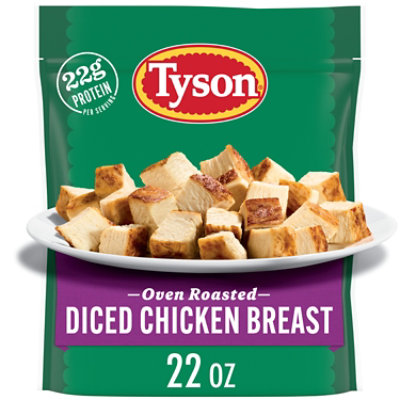
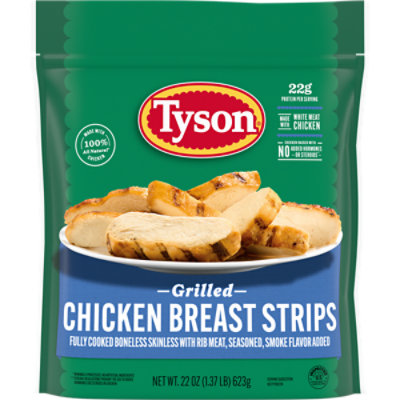
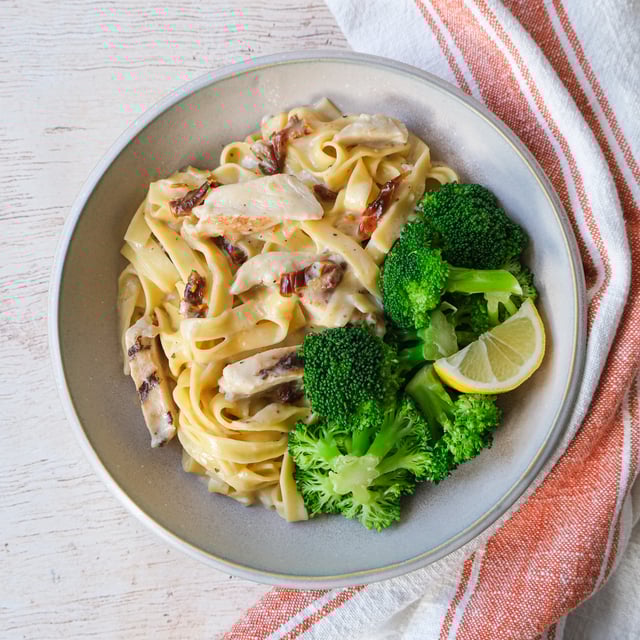
Ultra-easy cooking starts with understanding the basic formula: Protein + Starch + Vegetable + Sauce/Seasoning + Cheese/Fat. This combination ensures complete, satisfying meals every time. Pre-cooked chicken breast + instant rice + frozen broccoli + garlic powder + parmesan cheese creates a restaurant-quality meal in 15 minutes. Ground beef + pasta + jarred marinara + mozzarella + Italian seasoning makes an easy weeknight dinner. The key is choosing quality convenience ingredients that taste homemade while saving time and effort.
Invest in high-quality jarred sauces, seasonings, and pre-cooked proteins for maximum flavor impact
Success in ultra-easy cooking depends on having the right ingredients readily available. Keep shelf-stable proteins like canned beans, tuna, and rotisserie chicken on hand. Stock versatile starches including pasta, instant rice, and tortillas for quick meal bases. Frozen vegetables retain nutrition and cook quickly from frozen. Quality condiments and sauces like marinara, pesto, and salad dressings become instant flavor builders. Pre-shredded cheese adds richness and helps bind ingredients together. With these basics, you can create dozens of different meals without special shopping trips.
Keep 3-4 different sauce types to prevent flavor fatigue when making simple meals repeatedly
Minimize cleanup while maximizing flavor using one-pan and sheet pan techniques. Sheet pan meals cook protein and vegetables simultaneously at 400°F for 20-30 minutes with minimal prep. Toss everything with olive oil and seasoning, spread on pan, and let the oven do the work. Skillet meals use one pan for the entire dish—start with protein, add aromatics, then vegetables and sauce. Cast iron skillets retain heat well and can go from stovetop to oven. These methods concentrate flavors while reducing dishes and active cooking time.
Use 400°F for sheet pans and medium-high heat for skillets to get good browning without burning
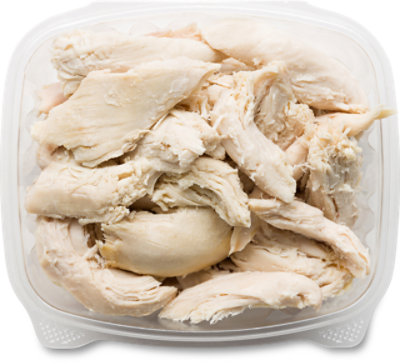
Maximize efficiency with smart prep techniques that save time without sacrificing quality. Pre-cut vegetables on weekends or buy pre-cut options from the store. Cook large batches of rice or pasta to use throughout the week—they reheat quickly in the microwave. Keep pre-cooked proteins like rotisserie chicken, canned beans, and frozen cooked shrimp for instant meal components. Use kitchen shears to quickly cut herbs, green onions, and even cooked chicken. Mise en place (having everything ready) makes 5-ingredient cooking even faster since there are fewer components to organize.
Cook double portions of starches on Sunday to use in quick meals throughout the week
Create complex flavors using simple techniques and smart ingredient combinations. Layer flavors by cooking aromatics (garlic, onion) first, then building other ingredients on top. Use compound seasonings like Italian seasoning, taco seasoning, or curry powder for instant flavor profiles. Acid (lemon juice, vinegar) brightens dishes at the end. Fresh herbs added just before serving provide color and freshness. Cheese adds umami and richness—parmesan works in many dishes beyond Italian cuisine. These techniques make simple ingredient lists taste sophisticated and restaurant-quality.
Add acid, fresh herbs, or cheese in the final minute to brighten and elevate simple dishes
Ultra-easy recipes adapt easily to dietary preferences, picky eaters, and ingredient availability. Make protein swaps based on what's on sale or what you have—chicken, ground beef, beans, and eggs work in most formulas. Adjust vegetable choices to family preferences while maintaining nutrition. Keep sauces on the side for picky eaters, letting everyone customize their portion. Build spice levels gradually, starting mild and adding heat as desired. Document successful combinations to create your family's go-to easy meal rotation. Simple ingredients make experimentation risk-free and budget-friendly.
Let family members choose their own toppings and seasonings to increase acceptance of new foods
Simplify meal planning by assigning themes to different nights of the week, making shopping and preparation predictable. Monday pasta night uses different shapes and sauces for variety. Taco Tuesday adapts the protein but keeps the format consistent. Wednesday stir-fry night changes vegetables and seasonings while maintaining the quick-cook technique. Thursday sheet pan night rotates proteins and vegetables. Friday breakfast-for-dinner provides comfort food to end the week. This system reduces decision fatigue while ensuring variety, and ingredients can often be purchased in larger quantities for multiple theme nights.
Allow theme swapping based on what's on sale or what ingredients you have available
Transform basic ingredients into global cuisines using simple seasoning and sauce swaps. Mexican night: cumin, chili powder, lime, cilantro, and cheese over rice or in tortillas. Italian style: garlic, basil, oregano, parmesan, and olive oil with pasta or bread. Asian-inspired: soy sauce, ginger, garlic, sesame oil, and green onions over rice. Mediterranean approach: lemon, oregano, feta, olives, and olive oil. Indian flavors: curry powder, coconut milk, and cilantro. Each profile uses the same basic cooking techniques while creating completely different taste experiences.
Buy good-quality spice blends to instantly transport simple ingredients to different cuisines
Develop fail-safe systems for nights when even ultra-easy feels overwhelming. Keep three 10-minute meals memorized: scrambled eggs with toast and cheese, pasta with butter and parmesan, quesadillas with whatever filling is available. Stock emergency ingredients that never go bad: pasta, canned beans, frozen vegetables, eggs, cheese, and bread. Create "dump and go" freezer bags with pre-portioned ingredients for slow cooker meals. Keep restaurant-quality frozen meals as backup options. Having these systems eliminates the stress of meal planning on difficult days while maintaining nutrition and satisfaction.
Keep one complete ultra-easy meal's ingredients separate as your emergency dinner kit
Adapt ultra-easy techniques for singles, couples, or large families without waste or excessive prep. Single-serving strategies: cook one portion but prep ingredients for multiple meals, use small appliances like mini-skillets. Couple cooking: most recipes naturally serve two, focus on quick cleanup techniques. Large family adaptations: sheet pan meals scale easily, slow cookers handle big batches, breakfast-for-dinner feeds crowds cheaply. Use modular cooking where family members can customize their portions from the same base ingredients. This approach satisfies different tastes while maintaining the ultra-easy philosophy.
Cook base ingredients in family-size portions, then let individuals add their preferred toppings