
Welcome back!
You're currently shopping with your default address:
You're currently using an unsupported browser, which may impact the sites display and prevent key functionality. Update your browser now for greater security, speed, and the best experience on this site. View supported browsers.


Master the art of celebrations and gatherings with comprehensive guides for cooking, entertaining, and hosting. From dinner parties to special occasions, menu planning to perfect timing - everything you need for memorable events year-round.

Interactive calculator with timing and safety guidelines. Master perfect turkey preparation with step-by-step instructions, temperature guides, and expert tips for crispy skin and juicy meat.
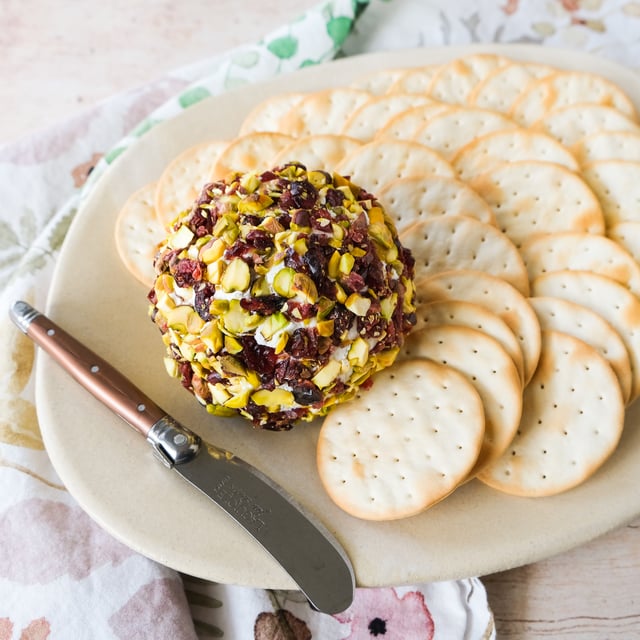
Master the art of thoughtful guest gifting with expert tips on hostess gifts, perfect timing, and presentation ideas. From wine selections to gourmet treats, flowers, and home accessories for any occasion.
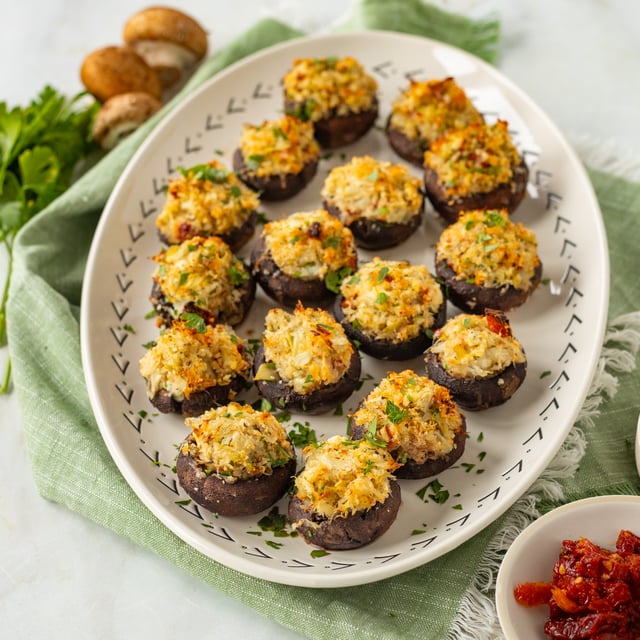
Master holiday entertaining with expert appetizer techniques, timing strategies, and temperature guides. From make-ahead dips to impressive cheese boards, create memorable party spreads with confidence.
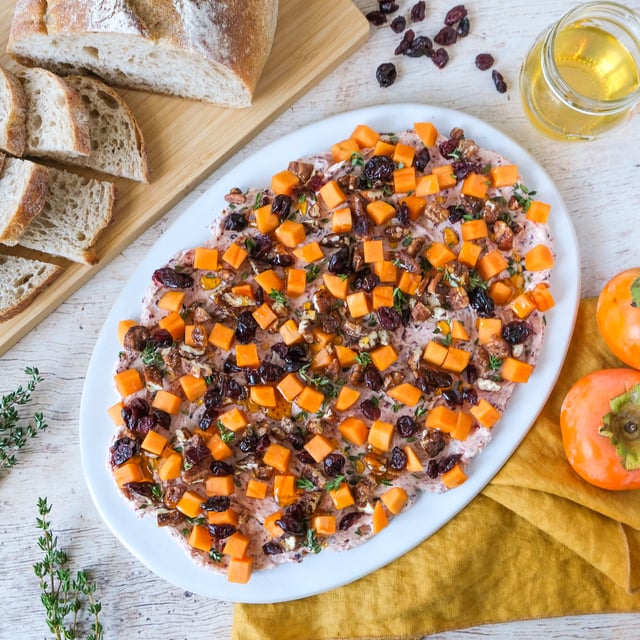
Learn to create impressive charcuterie boards with simple cheese and meat selections. Perfect for beginners with step-by-step assembly, presentation tips, and serving strategies for memorable entertaining.
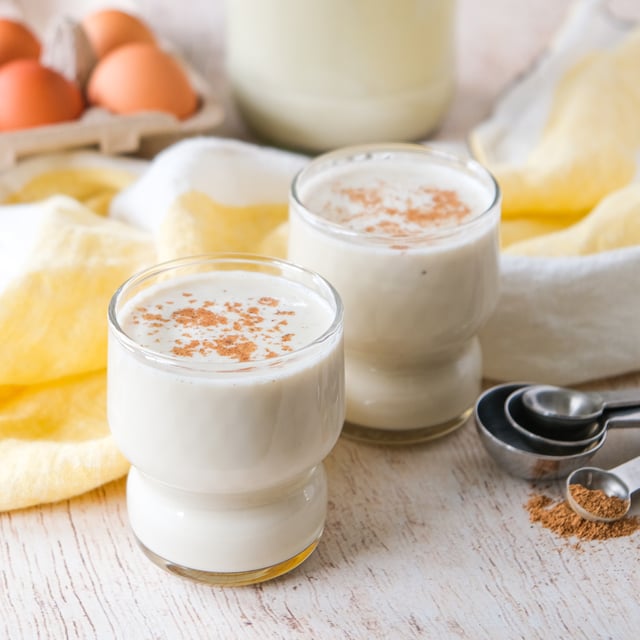
Master easy batch cocktails and festive mocktails for any celebration. Simple make-ahead recipes, drink station setup, and stress-free entertaining strategies perfect for holiday parties and gatherings.
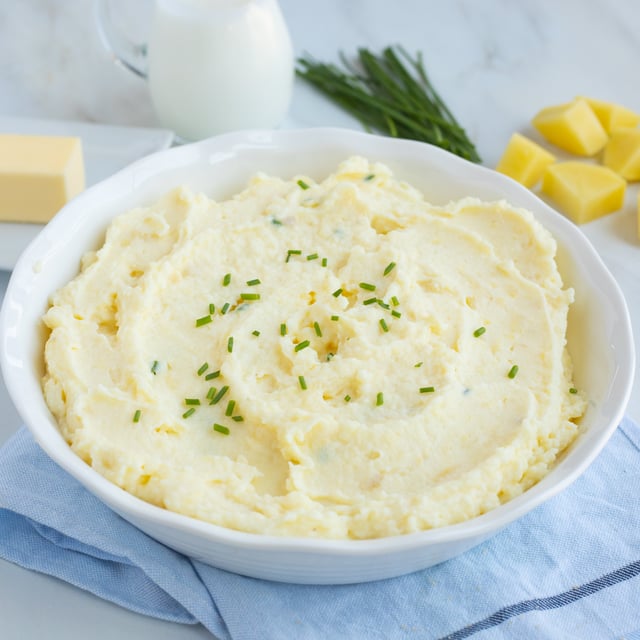
Master holiday side dishes with expert oven management, timing coordination, and preparation techniques. From perfect mashed potatoes to roasted vegetables, create memorable sides that complement any celebration meal.
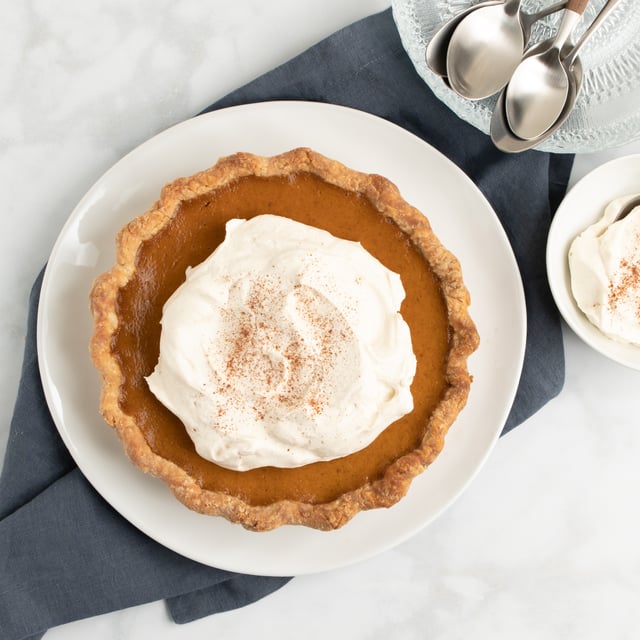
Master the art of memorable desserts for any holiday gathering. Complete guide to festive sweet endings with make-ahead strategies, presentation techniques, and timing tips for stress-free entertaining.
Master the drinks, sides, and desserts that transform good meals into unforgettable gatherings. From signature cocktails to show-stopping side dishes and memorable sweet endings.
Explore Complete GuideWelcome beverages & cocktails
From simple to spectacular
Memorable desserts & treats
Make-ahead strategies
Plan your menu and guest list. Make special orders for large items like specialty cuts, whole roasts, or catered items.
Shop for non-perishables, prepare decorations, and start make-ahead items that freeze well. Organize serving dishes and equipment.
Buy fresh ingredients, prepare advance dishes, and begin thawing large frozen items. Set up spaces and confirm guest count.
Final shopping for fresh items, begin food prep that can be refrigerated. Prep serving platters and table settings.
Final preparations, set up spaces, prepare cold appetizers and desserts. Organize cooking schedule for the next day.
Follow your cooking timeline, delegate tasks to helpers, and remember to enjoy the celebration you've worked so hard to create.
Learn the complete system for stress-free entertaining, from intimate dinners to large gatherings
The foundation of successful entertaining starts with smart menu planning that considers flavors, logistics, and your kitchen's capabilities.
Successful menu planning requires balancing flavors, textures, temperatures, and cooking methods while considering your kitchen's limitations and your guests' preferences. Start by choosing your centerpiece dish (main course) then build around it. Consider the 'rule of threes': aim for three different cooking methods, three temperature ranges (hot, room temperature, cold), and three texture contrasts (creamy, crunchy, tender).
Plan your oven and stovetop usage by mapping out cooking times and temperatures. If your turkey needs the oven for 4 hours at 325°F, plan sides that can cook at the same temperature or that can be made ahead. Consider dishes that improve with time - many soups, stews, and marinated items taste better the next day.
Account for dietary restrictions early in planning. Rather than making special dishes, choose items that naturally accommodate multiple diets. For example, roasted vegetables can be vegan-friendly if prepared without butter, and many naturally gluten-free sides work for everyone.
Plan only 2-3 dishes that require oven time. Everything else should be stovetop, make-ahead, or served at room temperature
Include something rich, something bright/acidic, something sweet, and something savory in your menu
Always plan for 10-20% more people than confirmed - someone always brings a plus-one
Organized shopping saves time, money, and stress. Learn when to buy what and how to maximize quality while staying on budget.
Smart shopping for events requires timing and organization. Create your shopping list organized by store department (produce, meat, dairy, frozen) to maximize efficiency. Shop non-perishables 1-2 weeks ahead: canned goods, dry goods, frozen items, wine, and paper products.
Shop for fresh items based on their shelf life. Hardy vegetables like potatoes, onions, and carrots can be purchased 3-4 days ahead. Delicate items like herbs, lettuce, and fish should be purchased 1-2 days before. Meat can typically be purchased 2-3 days ahead if properly stored.
Leverage Safeway's prepared foods strategically. Their rotisserie chickens can be the base for chicken salad or soup. The deli's cheese and charcuterie selections save time on appetizer prep. Bakery items can supplement your homemade desserts. Focus your energy on dishes where homemade makes the biggest impact.
Shop frozen/pantry first, then produce, dairy, and meat last. Keep cold items cold with insulated bags
Splurge on items guests will notice most: good cheese, quality meat, fresh herbs. Save on hidden ingredients
Always have frozen appetizers and dessert options as insurance against timing issues or unexpected guests
Master kitchen logistics and timing to create multiple dishes without stress. Learn what to make when and how to stay organized.
Successful event cooking requires a strategic timeline and understanding of what can be done ahead. Start your preparation 2-3 days before the event with tasks that improve with time: making stocks, marinating meats, preparing desserts that benefit from setting.
Create a detailed cooking schedule working backwards from serving time. Account for resting time for meats, reheating time for make-ahead dishes, and final assembly for salads and appetizers. Build in buffer time - everything takes longer when you're cooking for a crowd.
Organize your kitchen before you start cooking. Clear counter space, arrange tools and ingredients, and have your cooking timeline visible. Prep ingredients in advance: wash and chop vegetables, measure seasonings, set up mise en place. This restaurant approach prevents scrambling during cooking.
Use your oven, stovetop, slow cooker, and room temperature serving to create multiple cooking zones
Soups, stews, casseroles, and desserts often improve overnight. Many salads can be prepped with dressing added just before serving
Assign simple tasks to helpers: opening wine, arranging crackers, setting out napkins. Keep complex cooking to yourself
Execute your plan smoothly with proper timing, temperature management, and presentation strategies that impress guests.
The day of your event should feel manageable if you've planned well. Start with your detailed timeline and check off tasks as completed. Begin with items that take longest or can sit safely - slow cooker dishes, items that need long roasting times, or dishes served at room temperature.
Manage food safety carefully when cooking for crowds. Use food thermometers for all meats. Keep hot foods hot (above 140°F) and cold foods cold (below 40°F). Use chafing dishes, slow cookers, or warming trays for hot items. Serve cold items on ice or from the refrigerator just before serving.
Presentation matters as much as taste. Use attractive serving dishes rather than cooking pots. Garnish simply with fresh herbs, lemon wedges, or a drizzle of good olive oil. Create height and visual interest on serving tables. Label dishes for guests with allergies or dietary preferences.
Use warming trays for hot foods, ice baths for cold items. Never leave perishable foods out more than 2 hours
Transfer everything to serving dishes - never serve from the cooking pot. Add fresh herbs as garnish for professional look
Finish cooking 30 minutes before guests arrive. Use this time for final touches and to catch your breath
Stay calm and solve problems quickly with these solutions to the most common entertaining challenges.
Even with perfect planning, things can go wrong. Stay calm and have backup strategies ready. If you're running behind schedule, prioritize dishes that must be hot and fresh. Items like salads, cheese boards, and room temperature sides can wait. Enlist help for simple tasks like setting the table or opening wine.
If more guests arrive than expected, stretch your menu with quick additions: extra bread, simple salads, or additional appetizers from your freezer backup. Focus on creating abundance in a few dishes rather than trying to make more of everything.
For cooking disasters, have backup plans: if the turkey burns, quickly order rotisserie chickens and jazz them up with herbs. If a sauce breaks, start with a simple pan gravy. If dessert fails, arrange store-bought items attractively with fresh fruit and whipped cream.
Main dish first, hot sides second, cold items last. Guests can wait for salad but not for the turkey
Keep bread, simple greens, and frozen appetizers on hand to quickly expand your menu if needed
If something goes wrong, don't announce it. Most guests won't notice unless you tell them