Welcome back!
You're currently shopping with your default address:
You're currently using an unsupported browser, which may impact the sites display and prevent key functionality. Update your browser now for greater security, speed, and the best experience on this site. View supported browsers.


The word 'biscuit' derives from the Latin 'bis coctus' meaning 'twice-cooked,' referring to hard, dry bread baked twice for preservation. These early forms were known as ship's biscuits or hardtack and were military staples since Roman times. The modern American biscuit evolved from Scottish scones, while shortcakes developed in Tudor England as simple sweet biscuits made 'short' with butter or lard. European settlers brought both baking traditions to America, adapting their recipes to local ingredients.
Ancient hardtack could last for years when kept dry, while shortcake recipes appeared in English cookbooks as early as 1588
The American South became the birthplace of the modern biscuit thanks to soft winter wheat flour creating tender baked goods. The 19th century brought revolutionary changes with the introduction of chemical leavening agents. Baking soda (1846) and baking powder (1856) transformed both biscuits and shortcakes from dense breads to light, fluffy creations. After the Civil War, biscuits with gravy emerged as an affordable meal, while strawberry shortcake became associated with summer socializing and seasonal celebrations.
The invention of baking powder revolutionized home baking, while strawberry shortcake parties became popular social events by the 1870s
Today's American biscuits and shortcakes reflect both tradition and innovation. While commercial mixes became popular in the mid-20th century, recent years have seen a resurgence of interest in scratch-made versions. Artisanal bakeries have elevated these humble foods, experimenting with heritage grains and creative flavors. Contemporary shortcakes often feature variations beyond the classic strawberry, incorporating seasonal fruits, artisanal dairy, and innovative presentations that honor tradition while embracing modern culinary creativity.
Modern pastry chefs often create deconstructed shortcakes, separating components like macerated fruit, whipped cream, and biscuit elements for artistic presentation

Buttermilk biscuits are the quintessential Southern staple, characterized by their tangy flavor and tender crumb. The acidity in buttermilk reacts with baking soda to create a higher rise, while cold butter or shortening cut into soft wheat flour creates flaky layers. Traditional shortcakes, meanwhile, straddle the line between biscuit and cake, incorporating more sugar and fat than savory biscuits to create a sweet base for fruit desserts. They're lightly sweetened with a hint of vanilla and sturdy enough to hold up to juicy fruits and whipped cream without becoming soggy.
For authentic buttermilk biscuits, use only your fingertips when handling the dough, while shortcakes typically incorporate heavy cream instead of buttermilk for a richer profile
Drop biscuits offer a more rustic approach with their wet dough simply scooped onto baking sheets, creating irregularly shaped treats with crispy exteriors and tender interiors. They require less handling, making them quicker to prepare and ideal for beginners. Angel biscuits represent a hybrid between a biscuit and yeast roll, incorporating both chemical leavening (baking powder and soda) and biological leavening (yeast). This dual approach results in exceptionally light and airy biscuits with a slight chew reminiscent of a soft roll, making them more forgiving than traditional varieties.
Drop biscuits were historically called 'Emergency Biscuits' for their quick 25-minute preparation, while angel biscuits are nicknamed 'bride's biscuits' because their multiple leavening agents make them nearly foolproof

The foundation of great biscuits and shortcakes begins with selecting the right ingredients. Traditional Southern biscuits use soft wheat flour with lower protein content (8-10%) for tenderness, while shortcakes often use pastry or cake flour for an even more delicate crumb. The type of fat and its integration dramatically affects texture in both types. Cold butter creates flaky layers as it melts and releases steam, with shortcakes typically using more butter than savory biscuits. For liquids, buttermilk creates tangy savory biscuits, while shortcakes often use heavy cream or milk with vanilla and incorporate sugar—typically 2-4 tablespoons per cup of flour—distinguishing them from their savory counterparts.
For shortcakes, replace up to 1/4 cup of flour with cornstarch to create an even more tender result, and consider alternating between grated frozen butter and small butter cubes for both flakiness and tenderness
Handling the dough with a light touch is crucial for both biscuit and shortcake-making. Overworking develops gluten, resulting in tough, dense results rather than tender, flaky ones. Mix just until ingredients are combined (about 15 strokes), using fingertips rather than palms. How biscuits and shortcakes are cut also impacts their rise and texture—a sharp-edged cutter pressed straight down without twisting is essential, with shortcakes often using larger cutters (3-4 inches) than typical biscuits. The baking environment provides the final transformation: biscuits typically require a hotter oven (450°F) than shortcakes (425°F), as the sugar in shortcakes causes faster browning. Shortcakes benefit from slightly longer baking times to ensure the centers are fully baked.
Shortcake dough benefits from even gentler handling than biscuits as sugar accelerates gluten development, and needs a slightly lower temperature (425°F vs. 450°F) with longer bake time to prevent over-browning
The American South serves as the epicenter of biscuit culture, where traditional recipes emphasize soft wheat flour, buttermilk, and lard or shortening, with shortcakes featuring biscuit-style bases for summer fruits. In contrast, New England's traditions reflect British colonial influence, with shortcakes distinctively favoring a cake-like approach—typically a vanilla sponge cake split and filled with berries and cream. The Midwest has developed its own approach, using all-purpose flour with higher protein content for sturdier biscuits while embracing both styles of shortcakes, sometimes creating 'batter biscuits'—a cross between a biscuit and a muffin—that can be adapted for both sweet and savory applications.
Southern families pass down biscuit recipes through generations, New England's sponge-style shortcakes evolved from Victorian tea traditions, while some Midwestern families serve 'shortcake suppers' with both sweet and savory variations
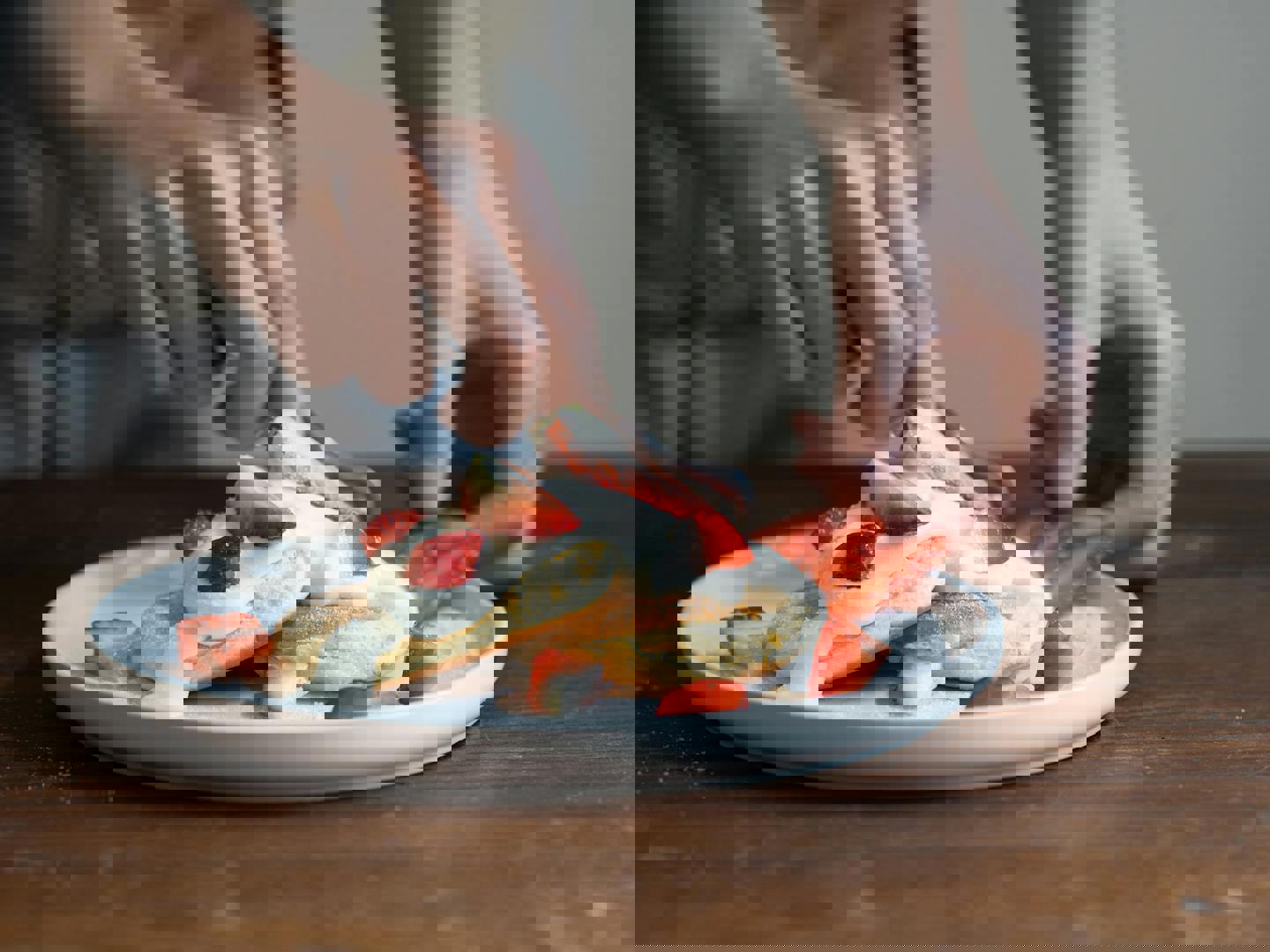
As American culinary traditions have spread globally, biscuits and shortcakes have been adapted in fascinating ways. Japanese strawberry shortcake—featuring light sponge cake layers with whipped cream—has become an iconic dessert, particularly for Christmas celebrations. Korean-American bakeries create fusion versions incorporating Asian flavors like red bean and green tea, while Mexican-influenced adaptations may feature tropical fruits and cinnamon-infused whipped cream. These cross-cultural interpretations demonstrate how these quintessentially American creations continue to evolve as they interact with diverse culinary traditions, creating new classics that honor both their origins and their adoptive cultures.
Japanese Christmas Cake, inspired by American strawberry shortcake but featuring lighter sponge cake, has become a holiday tradition in Japan since the 1950s