


Spice Expiration and Shelf Life
In general, a two-year-old spice jar usually has only a slightly altered flavor, and does not pose a safety risk. You should take a pinch and smell it before deciding whether to keep it.
Spices fade because the volatile oils that provide their flavor diminish over time. These natural oils create each seasoning's distinct aroma and taste. Every time you open a jar, those compounds escape into the air. Over months in a warm kitchen, that steady loss leaves the spice weaker than when you bought it.
Because of this gradual fading, it is better to buy whole spices when you will grind them, keep jars closed and away from the stove, and smell older spices before throwing them out.
Herbs are the dried leaves of green, non-woody plants such as basil, oregano, parsley and thyme. Spices come from other parts of a plant, including seeds (cumin, coriander), bark (cinnamon), roots (ginger, turmeric), berries (black pepper, allspice) and flower buds (cloves). Dense seeds, roots and bark generally hold their flavor longer than delicate leaves. A thin leaf offers little barrier against air, while a hard seed or thick bark locks its volatile oils deep inside until ground.
Old spices are usually safe but weak
Spices are shelf-stable. The USDA includes spices among foods that do not require refrigeration, and says a ‘Best if Used By/Before’ date "is not a purchase or safety date." The date marks the period of best flavor or quality. For dry seasonings, that stamped date is simply the manufacturer's estimate of peak freshness. The product does not spoil or become toxic once that date passes.
The real issue with aging spices is weak seasoning power. The McCormick Science Institute states "although older spices are not harmful, they will not add the flavor that you desire to your recipes." If a jar has little of its aroma, replace it. Cooking with a flat spice will not make you sick, but your meals will taste under-seasoned.
Safety concerns in the pantry usually involve bacteria, but dry storage protects against that hazard. The FDA's Risk Profile on Pathogens and Filth in Spices identifies Salmonella as the pathogen most associated with illness from contaminated spices. Because spices are dry, the FDA notes that Salmonella does not grow in them, so the hazard does not increase as a jar sits in your pantry. Age affects flavor, not safety. Bacteria cannot reproduce without moisture, so as long as you keep them dry, old spices stay safe to eat.
Whole spices hold their flavor longer
Flavor starts with volatile oils. McCormick reports that average volatile-oil content varies widely, from 0.4% in basil to 15% in nutmeg, with cinnamon, thyme and dill between 1% and 3%.
This variation explains why different seasonings age at different speeds. Dried basil holds only 0.4% oil spread across thin leaf pieces, so its aroma fades quickly once exposed to air. Whole nutmeg, by contrast, has up to 15% oil sealed inside a hard seed. Cinnamon, thyme, and dill sit in the middle at 1% to 3%, losing strength steadily over a couple of years.
Exposure to air reduces odor and flavor over time. Humidity also degrades the oils, while heat and light shorten shelf life and fade color. Water in the air adds moisture, meaning a jar that is loosely capped, left in sunlight or kept by the stove therefore loses quality faster than one sealed inside a cool, dark cabinet.
Whole spices keep their flavor longer than ground ones. Penn State Extension says a whole herb "holds its oil," while UF/IFAS says crushing or grinding for storage increases the loss of aroma and flavor. Grinding just before use will preserve the whole spice until you need it. Grinding exposes far more of the spice to air, which is why ground spices fade faster. A whole seed seals its oils within its shell, while grinding shatters that barrier into tiny specks.
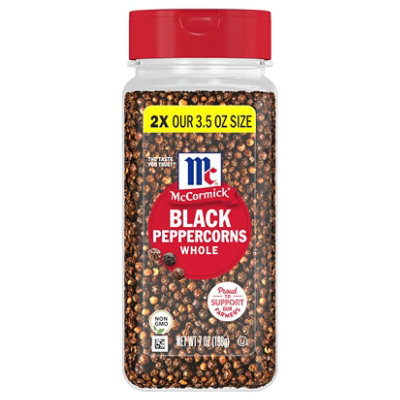
Keeping whole peppercorns in a grinder protects those oils until you crack them onto food. Ground spices add flavor quicker but lose flavor sooner in storage. Fine powder disperses quickly into a sauce, but that large surface area accelerates oil loss. Signature SELECT, Safeway's own brand, offers ground cinnamon. It loses flavor fast like other ground spices, while cinnamon sticks maintain their quality beyond two years.
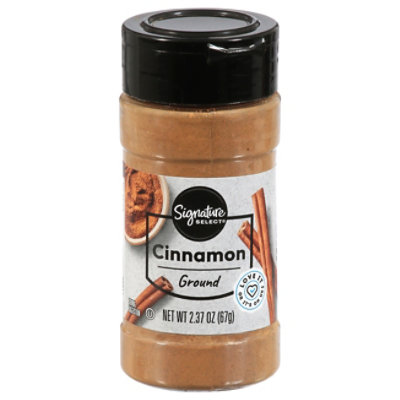

Ground cinnamon suits daily oatmeal or quick baking. If you bake only for the holidays, whole cinnamon sticks maintain their quality across several seasons. You can grate them fresh as needed.
Paprika can lose color and smell as it ages. McCormick states spices in the red pepper family should be kept in refrigerated storage to retain color and freshness, and says fresh crushed red pepper should be deep red.
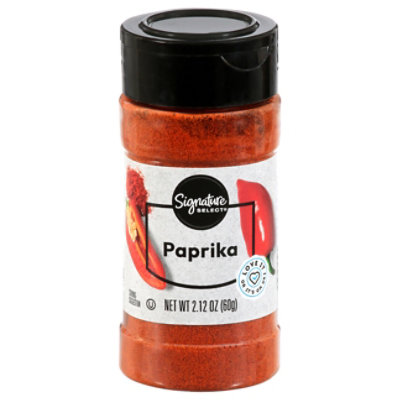
Ingredients Paprika & Silicon Dioxide (to Make Free Flowing).
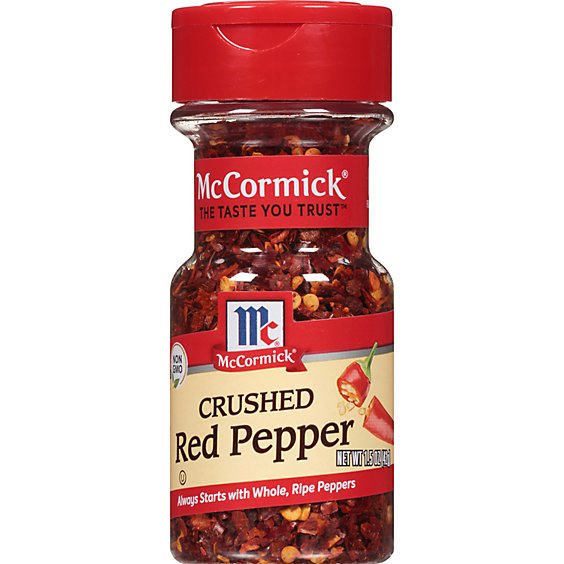
Fresh paprika displays a vibrant red color. When older jars fade to a dull, rusty brown, the oils and pigments have degraded, leaving the spice flat.
Shelf-life charts give different ranges
Published shelf-life ranges disagree, with McCormick allowing several years for many spices, while some university extension tables tell you to check much sooner.
Type | McCormick | University extension tables |
|---|---|---|
Whole spices | 3 to 4 years | 12 months to 4 years |
Ground spices | 2 to 4 years | 6 months to 3 years |
Dried leafy herbs | 1 to 3 years | 6 months to 3 years |
Blends | 1 to 3 years | 6 months to 3 years |
These differences come down to how each source defines useful shelf life. Commercial packagers account for typical household habits, while university research programs often measure the narrower window of peak culinary potency.
Even within McCormick's own publications, the ranges vary: McCormick gives blends 1 to 3 years on one page and 1 to 2 years on another. University extension tables show similar splits. North Dakota State and Kansas State agree on 3 to 4 years for whole spices and 2 to 3 years for ground spices. Ohio State gives whole spices 1 to 2 years and ground spices 6 months. A joint guide from the University of Idaho, Oregon State and Washington State lists 12 months for whole spices and 6 to 12 months for ground spices. Several also say whole cloves, nutmeg and cinnamon sticks maintain quality beyond two years.


To see what this means in practice, consider a jar of ground cumin. If you follow the Pacific Northwest extension guide, you might discard it after 6 to 12 months. Ohio State suggests replacing it after 6 months. Kansas State and North Dakota State allow 2 to 3 years, and McCormick allows up to 4 years. For a whole spice, Ohio State suggests 1 to 2 years, while North Dakota State, Kansas State, and McCormick give it 3 to 4 years.
As the tables disagree on a specific timeframe, it is best to check the aroma and replace the spice if it has faded.
If a jar has no printed date, write the purchase or opening date on the lid with a marker, and put newly bought jars behind older ones so the oldest gets used first. Dating the lid helps you see how long a jar has been open, and rotating stock keeps older seasonings from getting forgotten.
Crush and smell before replacing a jar
A weak aroma is the clearest sign that a spice has lost its strength. When a jar loses its smell, it has lost the essential oils that season your food.
Testing quality takes only a moment. University of Delaware Cooperative Extension says to crush a small amount of a whole spice and sniff it to check if the aroma is "fresh and pungent." The same test works for ground spices and dried herbs. For a ground spice or dried herb, rub a pinch between your fingers or in your palm, then smell it. The friction of your skin gently warms the spice particles, releasing whatever volatile oils remain. If the aroma smells sharp and distinct, keep it. If you smell almost nothing, replace the jar.
Color should also be inspected before use. Rich color usually matches rich flavor. McCormick advises replacing dried herbs when color declines, and says fresh crushed red pepper should be deep red. Faded paprika or chili powder likely means a weaker flavor.
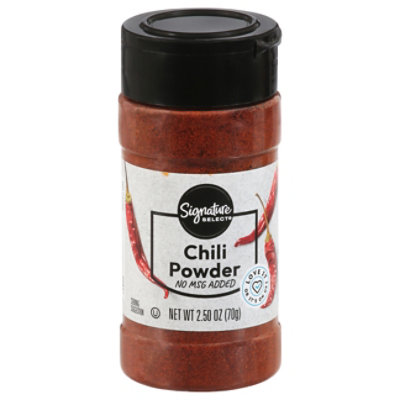
A fresh batch of chili powder shows a deep, warm red-brown tone. When exposure to light and oxygen turns it pale or dusty tan, the flavor compounds have diminished alongside the pigment. Dried herbs like oregano or basil should look green, not gray or yellowed.
While weak spices just taste flat, other signs mean immediate disposal. Throw out any spice that smells sour, looks moldy, or has clumped because it got wet. Mold spores need moisture to grow, so any dampness or musty odor means the jar is spoiled.
Insects can also ruin dry pantry goods. University of Kentucky Extension lists cigarette and drugstore beetles among the pantry pests that infest spices such as paprika and red pepper, so discard a jar that contains small insects or webbing and check the jars beside it. These tiny beetles chew into loose containers and leave fine webbing behind. If you see signs of infestation, toss the jar, wipe the shelf clean, and inspect nearby spices.
Keep spices away from heat, light and steam
Store spices tightly capped in a cool, dry, dark place. Putting a spice rack right above the cooktop subjects delicate seasonings to constant heat and humidity. Penn State Extension says that putting a spice rack above the stove quickly reduces quality, and University of Delaware Extension says to keep herbs and spices away from the range.
Penn State Extension gives 50 to 70°F as the cupboard temperature range for storing foods. Keep jars inside a cabinet or pantry closet that stays within those bounds. Sunny windowsills and cabinets next to a dishwasher also expose jars to heat and humidity. A cabinet right beside a dishwasher warms up during drying cycles, accelerating the loss of volatile oils.
Kitchen habits during cooking also make a big difference. Spice jars should also not be shaken over a steaming pot. McCormick says steam lets excessive moisture enter, which can make the powder cake. Rising steam wets the powder in the mouth of the jar, creating clumps that clog the shaker holes.
Using a sharp tap, chopstick or spoon handle can break up a clump if it forms. To prevent clumping altogether, change how you measure seasonings while working at the stove. Garlic powder, onion powder and blends containing salt or sugar absorb moisture easily, so measure them with a dry spoon away from simmering pots.
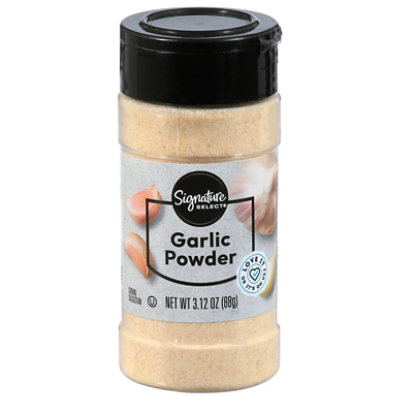
Salt and sugar pull moisture directly from humid air. Measure garlic powder several feet away from bubbling pans using a dry spoon, snap the cap shut, and then add the spice to your food.
Cold storage advice can differ among experts. McCormick recommends refrigerating paprika and chili powder to retain color and freshness, while UF/IFAS warns that refrigerated herbs and spices can absorb moisture and become clumpy or soggy, suggesting using the freezer instead.
The issue with a standard refrigerator is humidity. Every time a cold jar comes out into a warm kitchen, moisture can condense on the powder. That surface dampness makes powders gummy.
Penn State Extension also suggests freezer storage, but specifies to let the closed jar reach room temperature before opening it so condensation does not form inside.
If you keep extra stock in the freezer, let the closed container sit on the counter until it warms up completely. Only open the jar once the glass is warm and dry, take what you need, and seal it tightly before returning it to the freezer.
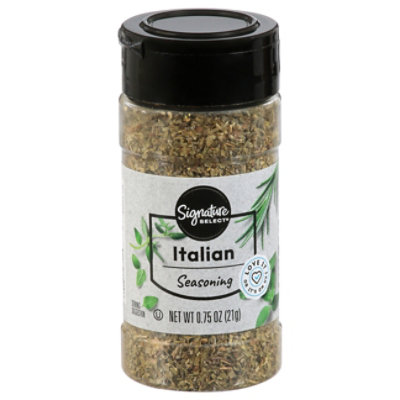
For everyday dried herb blends like Italian seasoning, a cool, dark cabinet remains the simplest choice. Keep the cap tight and store it well away from the stove.
Toast or bloom spices for more flavor
Gentle heat can revive older whole spices and help ground spices reach their full potential in a dish.
Oregon State University Extension recommends toasting whole spices in a dry skillet until fragrant, then cooling them slightly before grinding . Stir the pan constantly so the spices do not scorch, and remove them as soon as they smell toasty. Slide them onto a plate to cool slightly before grinding them into your dish.
Ground spices can scorch quickly in a dry pan, but blooming them in warm oil brings out their full aroma. Ground spices can be cooked briefly in oil before adding liquid, with University of Illinois Extension explaining that fat distributes fat-soluble flavors through the food. In Indian cooking this step is known as tempering, or tadka. Warming ground spices in oil for thirty seconds dissolves their fat-soluble flavor compounds, carrying those rich flavors throughout the entire dish.
Common questions about spice shelf life
Do spices expire?
Old spices usually lose flavor instead of becoming harmful. The USDA treats spices as shelf-stable and says a best-by date marks quality, indicating peak flavor rather than a safety limit. Crush a little, smell it, and replace the jar if its aroma has faded.
How long do ground spices last?
McCormick gives ground spices 2 to 4 years. University extension tables range from 6 months to 3 years, so check the aroma at the time listed and replace jars as needed.
Do whole spices last longer than ground?
Yes. A whole spice keeps more of its aromatic oils until you crush or grind it, so its flavor holds up longer in storage. Grinding exposes the interior to oxygen, which speeds up fading.
Should you keep spices in the fridge?
Sources disagree. McCormick recommends the refrigerator for paprika and chili powder, while UF/IFAS warns that fridge moisture can cause clumping and suggests freezing instead. For frozen spices, Penn State Extension says to keep the lid on while the jar warms to room temperature, which limits condensation inside.
Why did my spice jar turn into a rock?
Heat and moisture can make spice powders cake, especially when steam enters an open shaker. McCormick recommends a sharp tap, chopstick or spoon handle to loosen the contents.
How can you tell if a spice is still good?
Crush a small amount and sniff it. Keep it if the aroma is strong, and replace it if its smell has faded. Also check for faded color, mold and insects.
What is the difference between herbs and spices?
Herbs are the leaves of green, non-woody plants such as basil, oregano and parsley. Spices come from seeds, bark, roots, berries or flower buds, such as cumin, cinnamon, ginger, black pepper and cloves.
Does salt ever expire?
No. The USDA FoodKeeper lists salt as safe indefinitely when kept dry.
Can old spices cause food poisoning?
Age alone does not make spices unsafe. The FDA has found that raw imported spices can carry Salmonella, but dry conditions keep it from multiplying in storage.
How do you substitute dried herbs for fresh herbs?
Penn State Extension gives 1 teaspoon of dried crumbled herbs, or 1/4 to 1/2 teaspoon of ground herbs, as equal to 1 tablespoon of fresh herbs.