


Holiday Appetizers & Party Starters: Timing, Temperature & Techniques
Master holiday entertaining with expert appetizer techniques, timing strategies, and temperature guides. From make-ahead dips to impressive cheese boards, create memorable party spreads with confidence.
Quick reference
| Hot Appetizers Serving | 140°F minimum for food safety (use warming trays or chafing dishes) |
|---|---|
| Cold Appetizers Storage | 40°F or below (refrigerate until 30 minutes before serving) |
| Room Temperature Safe Zone | 2-hour maximum for perishable items at room temperature |
| Cheese Board Timing | Remove hard cheeses 30-60 minutes before serving for optimal texture |
| 3 Days Before | Make dips, marinate olives, prepare cheese balls |
| 1 Day Before | Assemble cold appetizers, prep vegetables, make breadcrumb toppings |
| Day Of (Morning) | Arrange cheese boards, stuff mushrooms, prepare baking sheets |
| 2 Hours Before | Bake hot appetizers, warm dips, final garnishes |
| 30 Minutes Before | Remove cold items from fridge, light warming trays, final touches |
| Cocktail Party (2-3 hours) | 8-12 pieces per person, 4-6 different appetizers |
| Dinner Party Starters | 3-4 pieces per person, 2-3 different appetizers |
| Open House (4+ hours) | 12-15 pieces per person, 6-8 different appetizers |
| Dips & Spreads | 1/4 cup per person for each dip, provide 2-3 options |
| Cheese Board Planning | 3-4 oz total cheese per person, 2-3 varieties minimum |
Shoppable recipes
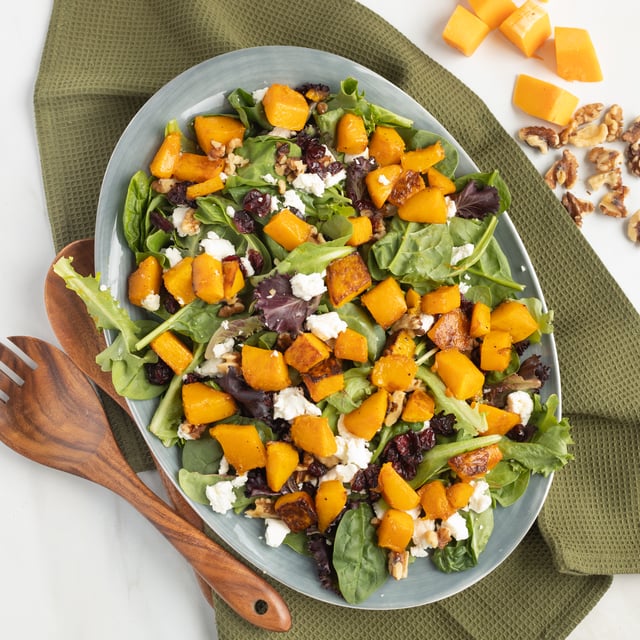
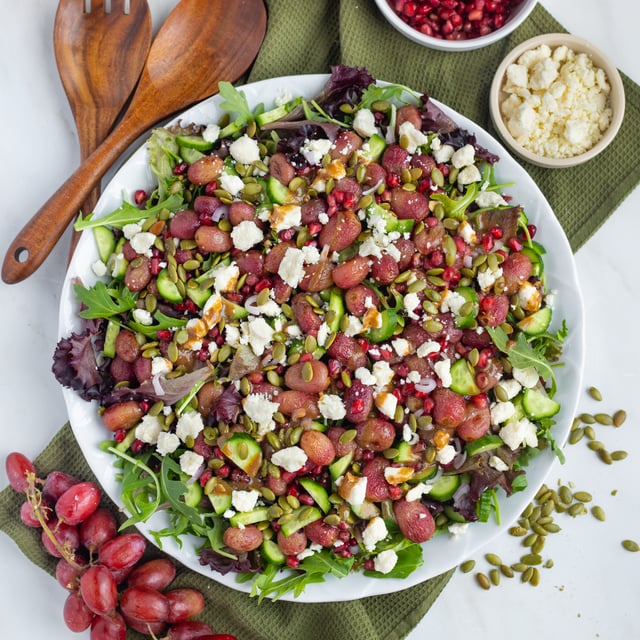
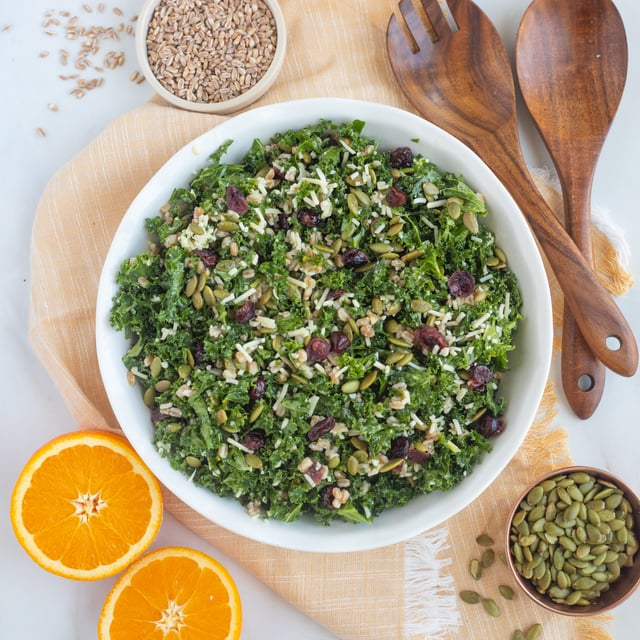
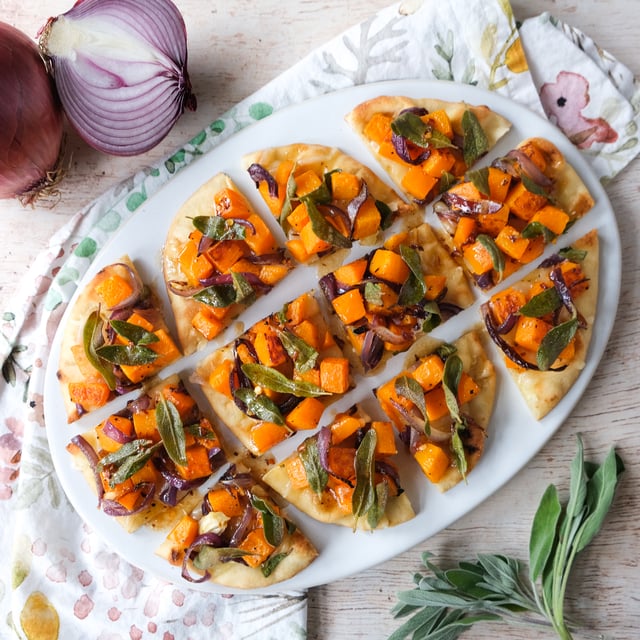
Rather start from a proven recipe? These are ready to shop in one click.
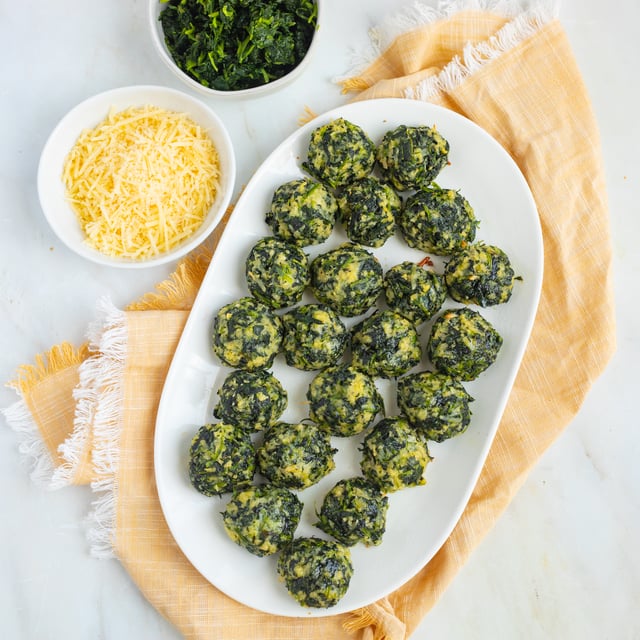
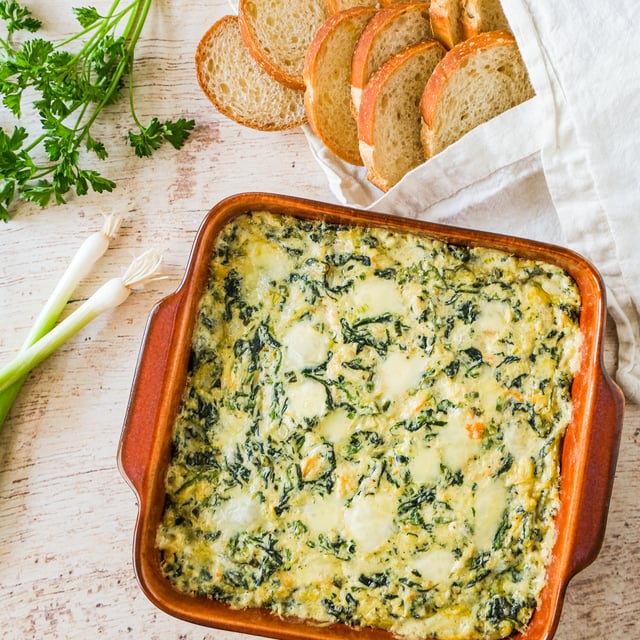
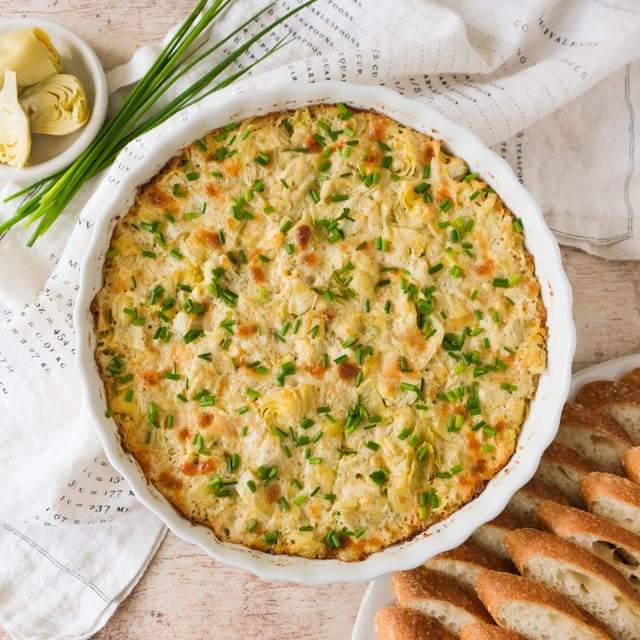
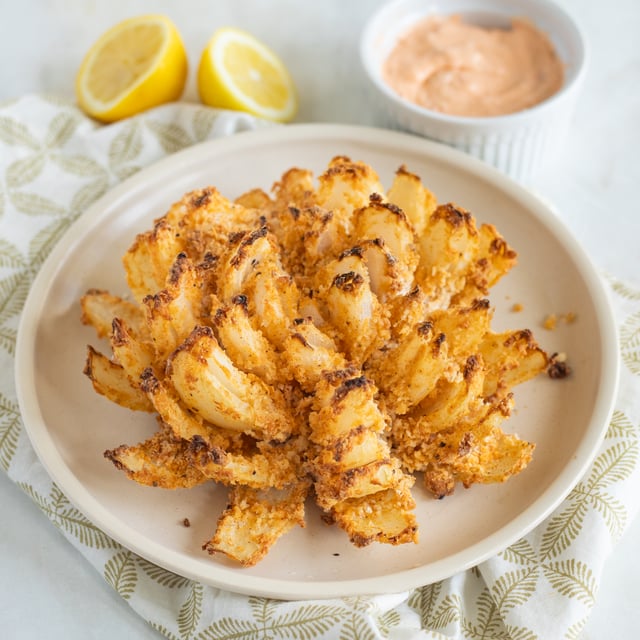
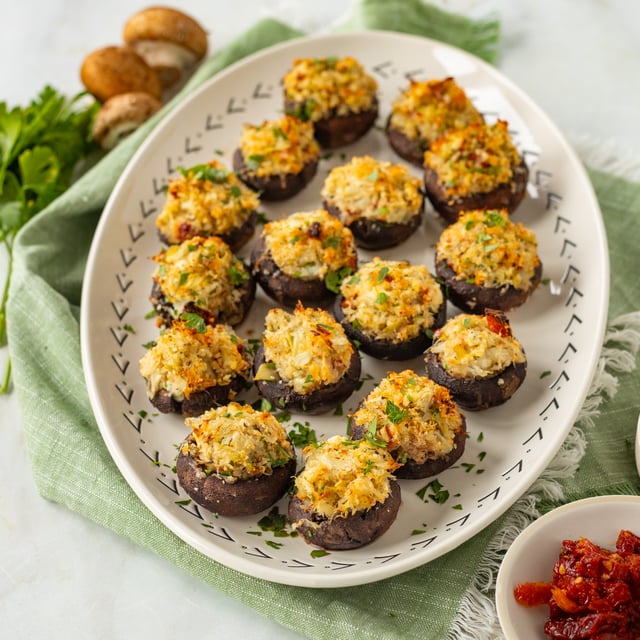
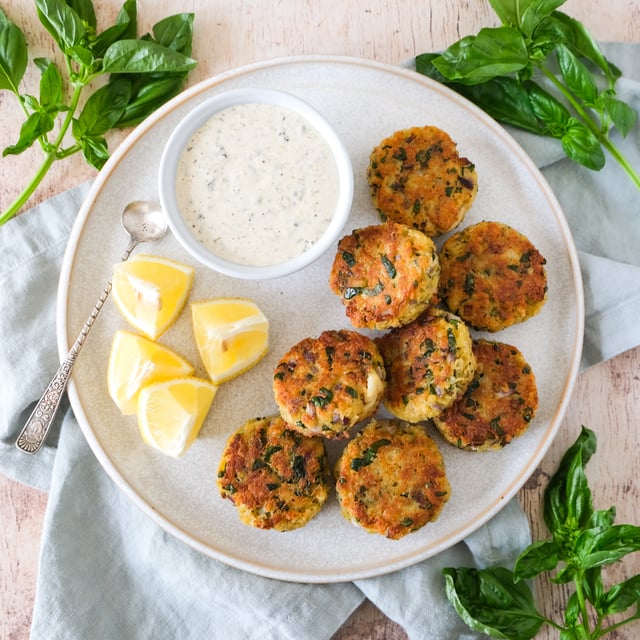
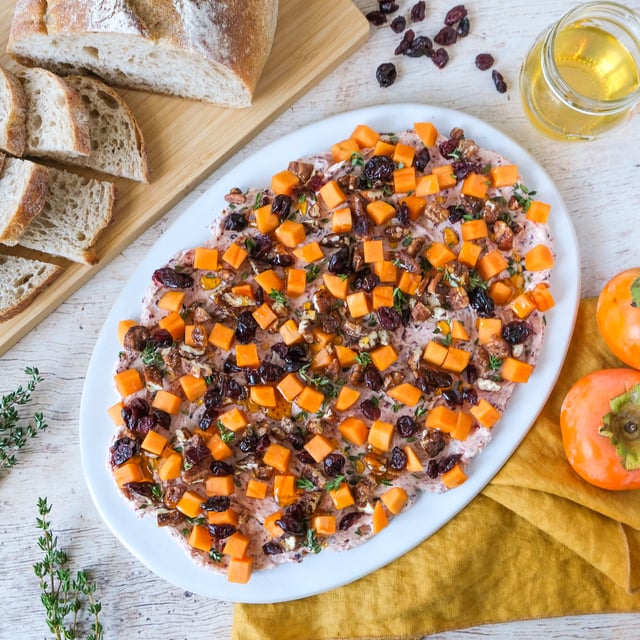
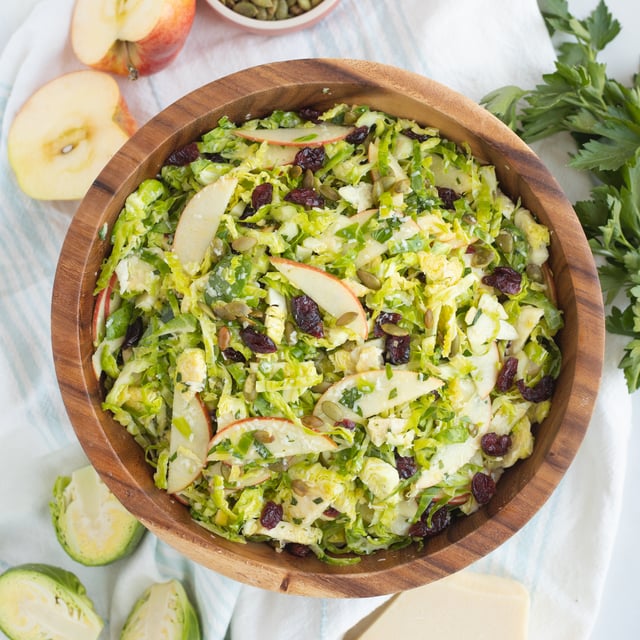
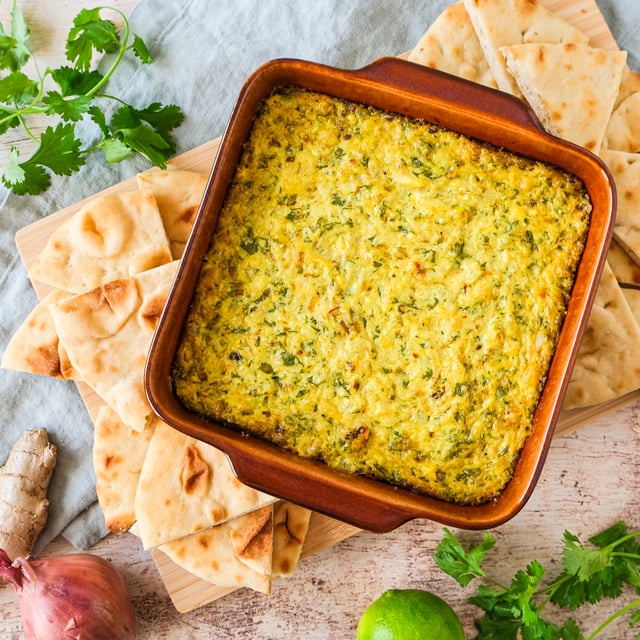
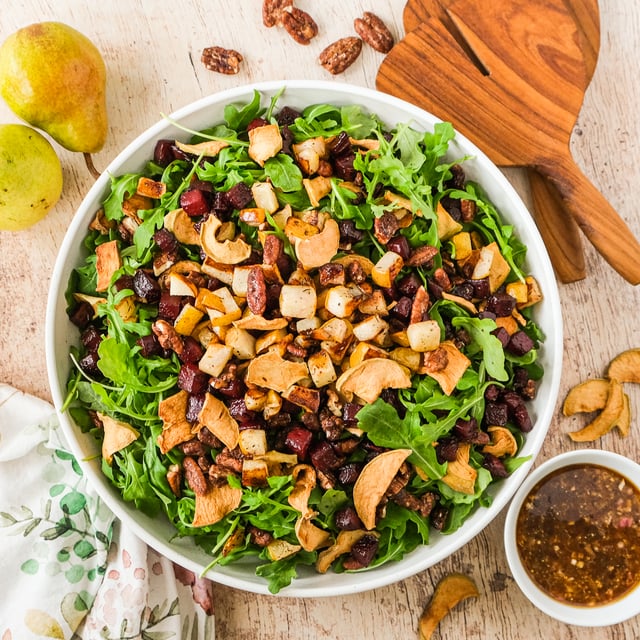
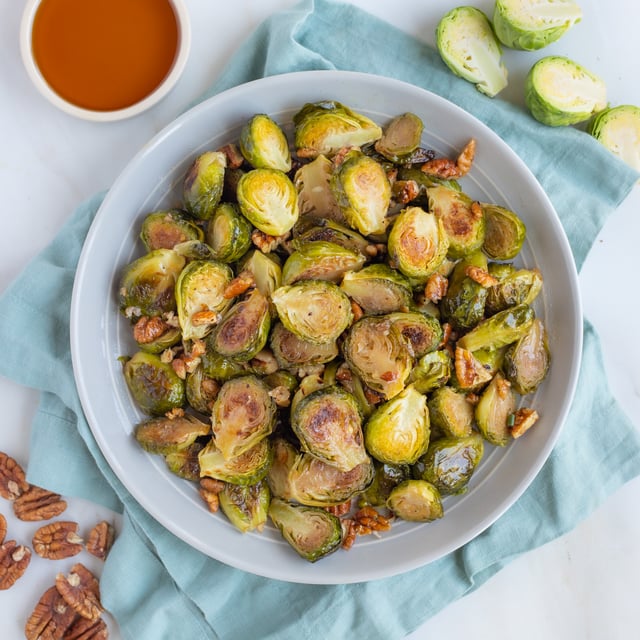
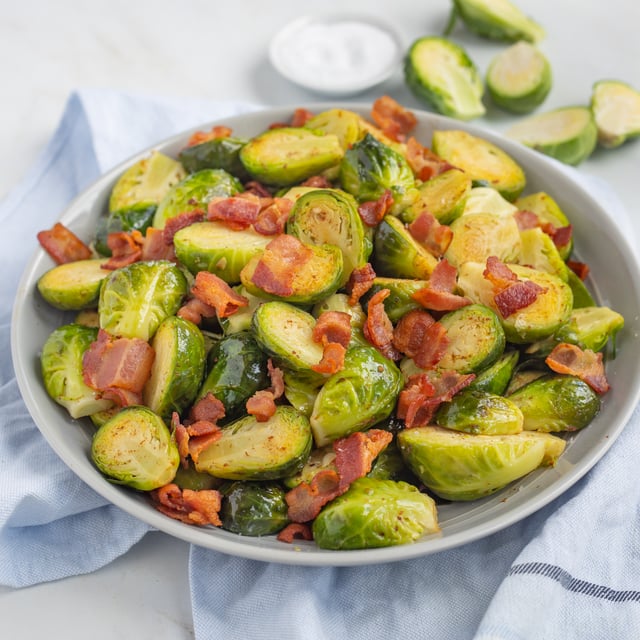
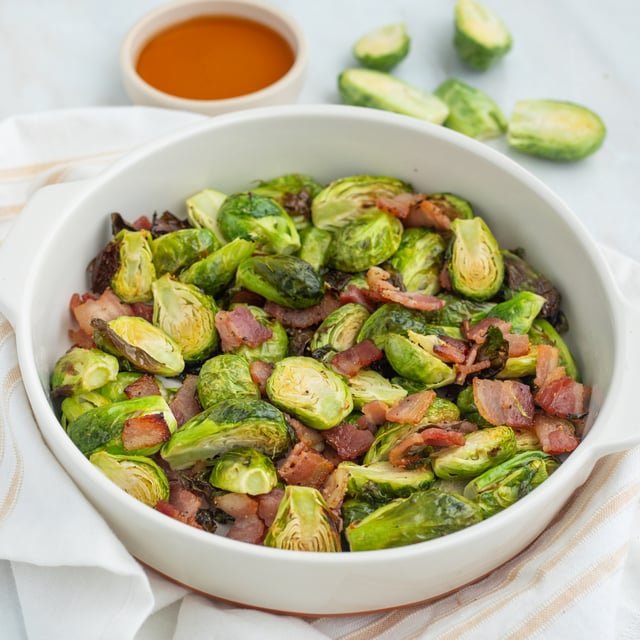
Hot appetizer mastery & temperature control
Master Hot Appetizer Fundamentals
Hot appetizers require precise temperature control to ensure both food safety and optimal taste. All hot appetizers must maintain a minimum internal temperature of 140°F for safety, whether served immediately or kept warm in chafing dishes. Plan your oven schedule carefully—most hot appetizers like stuffed mushrooms and spinach bites require 375-400°F for 15-20 minutes. Use an instant-read thermometer to verify doneness, especially for items with cheese or cream fillings that can appear done on the outside while remaining cold in the center.
Pro tip: Temperature Safety First: Never let hot appetizers sit at room temperature for more than 2 hours—use warming trays or return to oven
Timing Hot Appetizer Service
Successful hot appetizer service requires strategic timing. Bake items in order of how long they hold well—stuffed mushrooms and cheese bites can stay warm for 30-45 minutes, while delicate items like spinach puffs should be served within 15 minutes of baking. Use multiple oven racks and stagger baking times so different appetizers finish 10-15 minutes apart. Keep finished items warm in a 200°F oven with the door slightly ajar, or use warming trays set to low.
Pro tip: Batch Cooking Strategy: Prepare items on multiple sheet pans and rotate them through the oven for continuous fresh service
Equipment for Hot Appetizer Success
Essential equipment includes sheet pans with parchment paper for easy cleanup, wire cooling racks for air circulation, and instant-read thermometers for temperature verification. Invest in warming trays or chafing dishes for extended service periods. Use insulated serving platters to maintain temperature longer, and have clean platters ready to replace empty ones. Mini muffin tins work perfectly for bite-sized items like spinach cups or cheese puffs that need individual portions.
Pro tip: Professional Presentation: Preheat serving platters in a 200°F oven for 5 minutes before adding hot appetizers
Make-Ahead Hot Appetizer Strategies
Many hot appetizers can be partially prepared in advance to reduce party-day stress. Assemble stuffed mushrooms or spinach bites up to 24 hours ahead, cover tightly, and refrigerate until baking time. Add 5-10 minutes to baking time for chilled items. Dips and spreads for hot service can be made 2-3 days ahead and reheated gently. Freeze assembled but unbaked items like cheese balls or pinwheels for up to 1 month—bake directly from frozen, adding 5-10 minutes to cooking time.
Pro tip: Freezer-Friendly Planning: Label frozen appetizers with baking temperature and time adjustments for foolproof party execution
Cold appetizers & cheese board mastery
Cold Appetizer Food Safety
Cold appetizers require careful temperature management to prevent foodborne illness. Keep all perishable items at 40°F or below until serving time. Remove items from refrigeration no more than 30 minutes before guests arrive to allow flavors to develop. Items containing mayonnaise, cream cheese, or seafood should never sit at room temperature for more than 2 hours total. Use ice-filled serving bowls or chilled plates to extend safe serving time, and replenish items from refrigerated backup supplies every 2 hours.
Pro tip: Safety Timeline: Set phone reminders every 2 hours to refresh cold appetizers from refrigerated backups
Cheese Board Construction
Create stunning cheese boards by following the rule of three: choose three different types (soft, semi-hard, hard) and three different milk sources when possible (cow, goat, sheep). Remove hard cheeses from refrigeration 30-60 minutes before serving for optimal texture and flavor development. Soft cheeses need only 15-30 minutes. Arrange cheeses with space between them, provide separate knives for each type, and include a variety of accompaniments like crackers, fruits, nuts, and preserves.
Pro tip: Professional Presentation: Pre-cut a few slices of hard cheeses to show guests how thick to cut while leaving the rest intact
Dips and Spreads Strategy
Cold dips and spreads benefit from advance preparation—most improve in flavor when made 24-48 hours ahead. Cream cheese-based dips should be removed from refrigeration 30 minutes before serving for easier spreading. Provide appropriate serving utensils and multiple small bowls to prevent double-dipping. Arrange accompaniments like crackers, vegetables, and breads in separate containers to maintain freshness and allow guests to choose their preferred combinations.
Pro tip: Flavor Development: Most cold dips reach peak flavor after 24 hours as ingredients meld together in refrigeration
Make-ahead appetizer planning & storage
3-Day Advance Preparation
Three days before your event, focus on items with longest shelf life and best flavor development. Make cream cheese-based dips, marinated olives, nuts, and cheese balls—these actually improve with time as flavors meld. Prepare any items that freeze well, such as pastry-based appetizers that can be assembled and frozen until baking day. Shop for non-perishable items like crackers, nuts, and pantry ingredients. This timeline reduces party-day stress while ensuring optimal flavors.
Pro tip: Flavor Enhancement: Cheese balls and herb-based dips develop deeper flavors after 2-3 days of refrigerated storage
Day-Before Preparation Strategy
The day before your party, prepare fresh items that hold well overnight. Cut vegetables and store in ice water to maintain crispness, assemble cold appetizers except for final garnishes, and prepare breadcrumb toppings for hot items. Set up serving platters and utensils, and create a timeline for the next day's hot appetizer preparation. Pre-portion dips into serving bowls, prepare garnishes separately, and organize refrigerator space for easy access during the party.
Pro tip: Organization Key: Label containers with contents and serving instructions to streamline party-day execution
Storage Solutions for Optimal Quality
Proper storage maintains appetizer quality and food safety. Use airtight containers for dry ingredients and dips, wrap cheese tightly in parchment paper then plastic to prevent drying, and store cut vegetables in water to maintain crispness. Freeze assembled but unbaked items on parchment-lined baking sheets, then transfer to freezer bags once solid. Keep strong-flavored items like blue cheese separate to prevent flavor transfer, and store herbs and garnishes between damp paper towels.
Pro tip: Quality Preservation: Store different appetizer components separately and assemble just before serving for best texture and appearance
Presentation & serving solutions
Professional Plating Techniques
Create restaurant-quality presentations using simple techniques. Arrange items in odd numbers (groups of 3 or 5) for visual appeal, vary heights using small bowls or stands, and create color contrast with garnishes and different serving pieces. Use white or neutral platters to let food colors shine, and leave adequate space between items to prevent overcrowding. Garnish with fresh herbs, edible flowers, or colorful vegetables just before serving to maintain vibrant appearance.
Pro tip: Visual Impact: Use varying heights and textures to create visual interest—small bowls, cutting boards, and tiered stands add dimension
Traffic Flow and Accessibility
Plan appetizer stations to encourage smooth guest flow and prevent bottlenecks. Place most popular items in multiple locations, position dips and spreads with easy access from both sides, and keep serving utensils clearly visible next to each item. Create separate stations for hot and cold items to prevent temperature conflicts. Ensure adequate space around each station for guests to serve themselves comfortably without crowding.
Pro tip: Guest Experience: Place napkins and small plates at the beginning of each appetizer station, not just at the end
Labeling and Dietary Considerations
Clearly label appetizers with small cards or tent cards, especially those containing common allergens like nuts, dairy, or gluten. Use descriptive names that highlight key ingredients and preparation methods. Consider dietary restrictions by offering vegetarian, gluten-free, or dairy-free options and label them clearly. Provide separate serving utensils for each item to prevent cross-contamination, especially important for guests with food allergies.
Pro tip: Inclusive Entertaining: Create a simple key system (V for vegetarian, GF for gluten-free) to help guests easily identify suitable options
Frequently asked questions
How far in advance can I prepare appetizers?
Cold appetizers like dips, cheese balls, and marinated items can be made 2-3 days ahead and actually improve in flavor. Assemble hot appetizers like stuffed mushrooms or cheese bites up to 24 hours ahead, cover tightly, and refrigerate until baking time. Add 5-10 minutes to baking time for chilled items. Avoid assembling items with fresh herbs or delicate garnishes more than a few hours ahead as they wilt quickly.
How many appetizers should I serve per person?
For cocktail parties (2-3 hours), plan 8-12 pieces per person with 4-6 different appetizers. For dinner party starters, serve 3-4 pieces per person with 2-3 different options. For open houses (4+ hours), increase to 12-15 pieces per person with 6-8 varieties. If appetizers are the main food, increase portions by 50%.
What temperature should hot appetizers be served at?
Hot appetizers must maintain a minimum internal temperature of 140°F for food safety. Use warming trays, chafing dishes, or keep items in a 200°F oven with the door slightly ajar. Never let hot appetizers sit at room temperature for more than 2 hours (1 hour if temperature exceeds 90°F). Use an instant-read thermometer to verify temperatures.
How long can cold appetizers safely sit out?
Perishable cold appetizers should not remain at room temperature longer than 2 hours total (1 hour if room temperature exceeds 90°F). Keep backup portions refrigerated and refresh displays every 2 hours. Use ice-filled serving bowls or chilled plates to extend safe serving time for items containing mayonnaise, cream cheese, or seafood.
Can I freeze appetizers ahead of time?
Many appetizers freeze excellently! Freeze assembled but unbaked items like cheese balls, pastry-based appetizers, or pinwheels for up to 1 month. Bake directly from frozen, adding 5-10 minutes to cooking time. Avoid freezing items with mayonnaise, sour cream, or fresh vegetables as they become watery when thawed. Label with baking temperature and time.
How do I keep hot appetizers crispy?
Maintain crispiness by using warming trays set to low rather than covering with foil (which creates steam). If you must cover items, use foil tented loosely to allow air circulation. Bake items on wire racks set over sheet pans for air flow on all sides. Avoid overcrowding pans during baking. For items that must be made ahead, undercook slightly and finish with a quick high-heat blast before serving.
What's the best way to reheat make-ahead appetizers?
Reheat appetizers in a 350°F oven until they reach 165°F internal temperature. Avoid microwaving as this creates soggy textures. For crispy items, use a 400°F oven for 5-10 minutes. Pastry-based appetizers reheat best in the oven uncovered. Dips can be reheated in slow cookers or covered in the oven, stirring occasionally. Always bring items to 165°F for food safety.
How can I accommodate dietary restrictions?
Create separate sections or boards for different dietary needs to prevent cross-contamination. For vegetarian guests, emphasize plant-based options with clear labels. Offer gluten-free crackers and clearly mark wheat-containing items. For vegan guests, include hummus varieties, vegetables, and plant-based dips. Use separate serving utensils for each dietary category and label everything clearly with ingredient information.
What equipment do I need for serving hot appetizers?
Essential equipment includes sheet pans with parchment paper, wire cooling racks, instant-read thermometers, and warming trays or chafing dishes. Mini muffin tins work perfectly for bite-sized items. Have clean platters ready to replace empty ones. Insulated serving platters help maintain temperature. Preheat serving platters in a 200°F oven for 5 minutes before adding hot items.
How do I prevent my cheese board from drying out?
Remove cheese from refrigeration 30-60 minutes before serving, but not longer. For longer events, keep backup portions refrigerated and refresh the board. Lightly cover with damp paper towels if needed during extended display. Use smaller portions and replenish frequently rather than displaying everything at once. Position boards away from direct sunlight and heat sources.
What's the most budget-friendly appetizer strategy?
Focus on one or two impressive homemade items and supplement with quality store-bought options. Dips and spreads offer excellent value—make these yourself using Safeway's ingredients. Use seasonal produce for maximum value. Buy whole cheeses and meats and slice yourself for significant savings. Create volume with affordable items like crackers, vegetables, and dips while using expensive items like shrimp or specialty cheese as accents.
Can I use my slow cooker for appetizers?
Slow cookers excel for keeping dips and spreads warm throughout parties. Set to low or warm setting to maintain the ideal serving temperature without overcooking. They're perfect for spinach dip, queso, meatballs, and other items that benefit from staying warm. Layer harder ingredients on the bottom where heat is most direct, softer items on top. Keep the lid on except when serving to maintain consistent temperature.