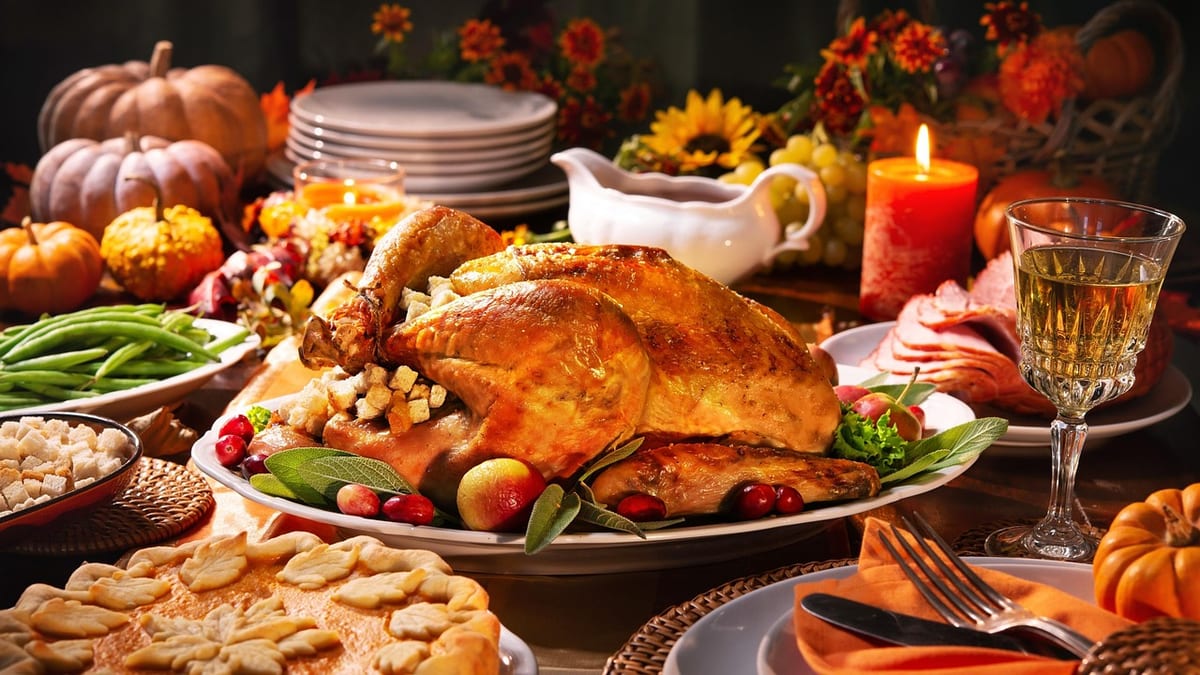
Gravy shortcuts for Thanksgiving

In short, gravy can be made two days early, while stuffing is safest baked in its own dish. These two guidelines take the pressure off Thursday when you are managing the Thanksgiving schedule and trying to get everything to the table hot.
Whether you cook stuffing inside the bird or in a baking dish, its center must reach at least 165 °F. Starting with a jar of gravy, a dry seasoning packet, or bagged dried bread cubes also cuts down prep time and eases the stress of cooking on Thanksgiving.
How Gravy Thickens: Roux or Slurry
A roux uses equal parts fat and flour cooked together before liquid goes in. Our roast chicken guide says to whisk 3 tablespoons of fat with 3 tablespoons of flour for 2 to 3 minutes, then stir in the defatted drippings and 1 to 2 cups of broth and simmer for 5 to 8 minutes until thick.
A slurry starts with cornstarch stirred into cold liquid, and is then whisked into simmering liquid at the end. It works well for thickening jarred or pan gravy that is too thin. One shopper's review of Signature SELECT Corn Starch Pure, headlined "A versatile pantry staple", calls it "great for thickening sauces". Whisk the slurry in a spoonful at a time, letting it simmer before adding more.
Lumps often form when flour is mixed into hot liquid, so whisk the liquid into the roux slowly instead. A strainer can be used to catch any lumps that still appear.
Ingredients Bleached Enriched Flour (Wheat Flour, Niacin, Reduced Iron, Thiamine Mononitrate, Riboflavin, Folic Acid), Enzyme.
Ingredients Corn Starch.
Make the Gravy Ahead, Finish It With Drippings
Pan drippings are only ready about 20 minutes before dinner, when the turkey comes out of the oven to rest. Making the gravy base ahead of time means you only have to stir in the drippings at the end.
To make a roux gravy base, first brown turkey wings or necks in a pot, simmer them with broth, and then strain the stock. You can make this base up to 2 days ahead and keep it in the fridge. Wings and necks also work if you are roasting only a turkey breast, as in our guide to Thanksgiving for two to six.
While the turkey rests, skim the fat off the drippings, deglaze the pan with a splash of broth, and whisk the drippings into the reheated base. Bring it to a rolling boil, as the USDA Food Safety and Inspection Service (FSIS) recommends for reheated gravy.
If you roast a brined or pre-brined turkey labeled "enhanced", "self-basting", or "kosher", the drippings will already be salty, as our turkey cooking guide explains, so taste the gravy before adding salt. Starting the base with low-sodium broth helps keep the salt moderate. One shopper reviewing Signature SELECT Broth Chicken Reduced Sodium under the headline "Great taste" wrote, "Good flavor! Love the reduced sodium!"

Ingredients Chicken Stock, Contains Less than 2% of: Salt, Dextrose, Sea Salt, Potassium Chloride, Yeast Extract, Natural Flavor, Chicken Fat (Adds a Dietarily Insignificant Amount of Fat), Beta Carotene (for Color).

Ingredients Chicken Broth, Contains Less than 2% of Sea Salt, Salt, Sugar, Chicken Flavor, Yeast Extract, Carrots, Onion Powder, Corn Starch, Celery, Onion, Natural Flavor.

Ingredients Organic Chicken Broth, Contains Less than 2% of Organic Chicken Concentrate (Organic Chicken Broth, Organic Chicken Flavor [Organic Chicken Flavor, Sea Salt], Organic Cane Sugar, Organic Onion Powder, Organic Yeast Extract, Organic Flavor, Organic Turmeric, Organic Spice), Salt, Organic Cane Sugar, Organic Chicken Flavor (Organic Chicken Flavor, Sea Salt), Organic Vegetable Flavor (Organic Vegetable Flavor [Organic Carrots, Organic Onions, Organic Celery], Sea Salt), Organic Turmeric.
Ingredients INGREDIENTS: CHICKEN STOCK, SALT, CARROTS, CABBAGE, CELERY, ONIONS, PARSLEY.
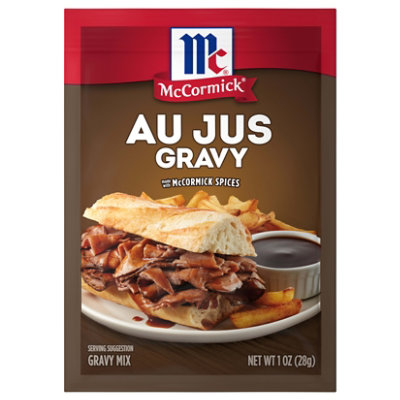
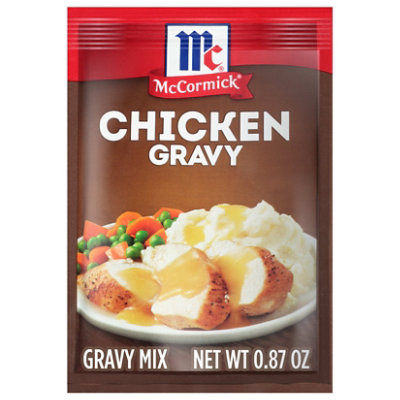
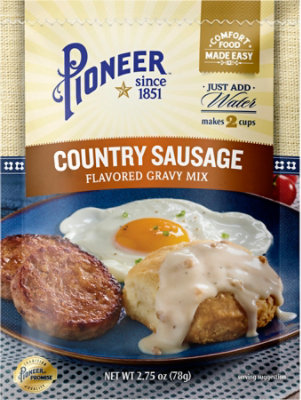
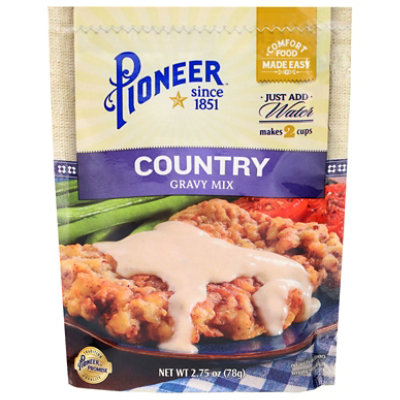
Jar, Packet or Concentrate: Gravy From the Shelf
Gravy from the shelf can be helpful when the turkey has few drippings, or when you want extra for the table without making a second batch from scratch.
Shelf Format | How You Prepare It | When It Works Best |
|---|---|---|
Jarred gravy | Pour into a saucepan and heat | Quickest option, and a good base to stretch with drippings |
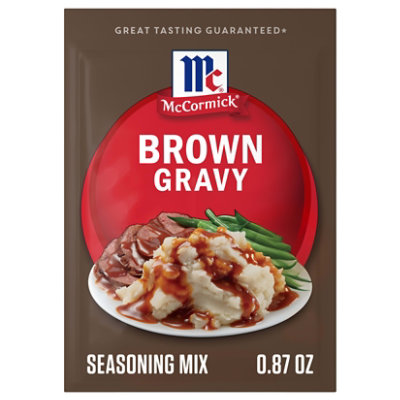
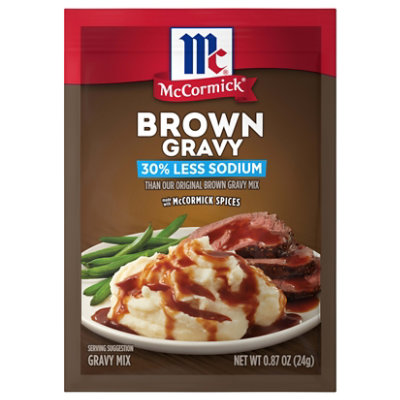
Packet (dry mix) | Whisk into water and simmer | Long shelf life and easy to keep a spare |
Broth concentrate or bouillon base | Dissolve in water to make broth, then thicken yourself | Building your own roux or slurry gravy |
To dress up any of them on the stove, whisk in defatted pan drippings, a little butter, and black pepper, then simmer with fresh thyme or sage before serving.

Ingredients Turkey Stock (Water, Cooked Turkey Meat Including Natural Turkey Juices, Salt, Maltodextrin, Onion Powder, Nonfat Dry Milk, Sugar, Autolyzed Yeast Extract, Turkey Fat, Yeast Extract, Spices, Lactic Acid, Citric Acid, Disodium Inosinate and Disodium Guanylate, Extract of Paprika [Color], Caramel Color, Natural Flavor), Water, Modified Corn Starch, Enriched Bleached Wheat Flour (Wheat Flour, Malted Barley Flour, Niacin, Reduced Iron, Thiamine Mononitrate, Riboflavin, Folic Acid), Chicken Fat, Turkey (Turkey, Turkey Broth, Sodium Lactate, Mechanically Separated Turkey, Salt, Modified Food Starch, Sugar, Sodium Phosphates, Nonfat Dry Milk, Carrageenan, Flavoring).

Ingredients Lactose (Milk), Enriched Wheat Flour (Flour, Niacin, Iron, Thiamine Mononitrate, Riboflavin, Folic Acid), Wheat Starch, Salt, Chicken Fat, Turkey Powder, Onion Powder, Torula Yeast, Caramel Color, Disodium Inosinate and Guanylate (Flavor Enhancers), Spice, Extractives of Rosemary (Antioxidant), Extractives of Paprika & Natural Flavor.

Ingredients Enriched Wheat Flour (Flour, Niacin, Iron, Thiamine Mononitrate, Riboflavin, Folic Acid), Wheat Starch, Dextrose, Salt, Whey (Milk), Chicken Fat, Chicken, Silicon Dioxide (to Make Free Flowing), Onion, Hydrolyzed Corn Gluten, Chicken Broth, Yeast Extract, Spices (Including Paprika and Turmeric), Xanthan Gum (Thickener), Disodium Inosinate and Guanylate (Flavor Enhancers), Natural Flavor, Sunflower Oil, Soy Sauce Solids (Soybeans, Wheat, Salt), Sugar and Citric Acid.

Ingredients Enriched Wheat Flour (Flour, Niacin, Iron, Thiamine Mononitrate, Riboflavin, Folic Acid), Modified Corn Starch, Buttermilk, High Oleic Sunflower Oil, Corn Syrup Solids, Salt, Corn Starch, Spices (Including Black Pepper), Sodium Caseinate, Nonfat Milk, Dipotassium Phosphate, Cultured Whey Soy Lecithin, Disodium Inosinate and Guanylate (Flavor Enhancers) & Caramel Color.
Bread for Stuffing: Mix, Cubes or a Loaf
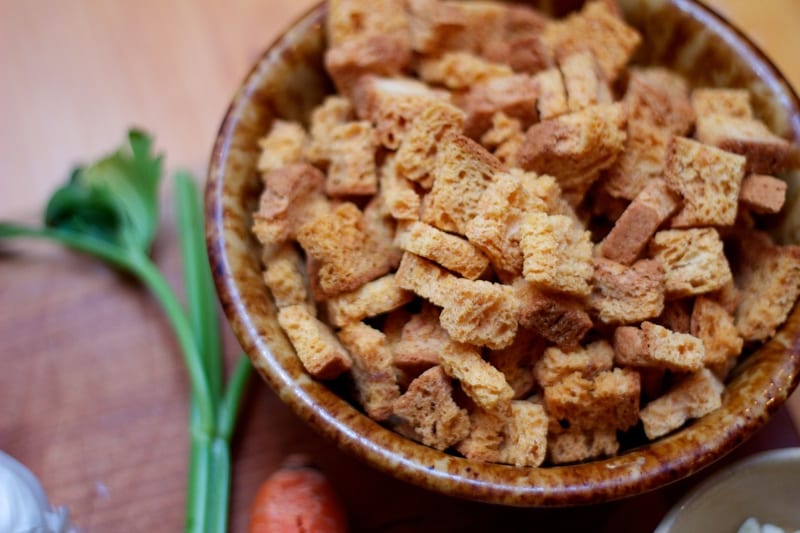
"Stuffing" usually means the bread mixture cooked inside the bird, while "dressing" means the same mixture baked in a separate dish. Many families, especially in the South, call it "dressing" either way. On the shelf, the choice of bread depends on how much prep time you have available, especially when you're juggling several holiday sides at once.
Bread Option | Seasoning Included | Prep Required |
|---|---|---|
Boxed stuffing mix | Seasoned | Fastest option. Cooks on the stovetop or in the oven |
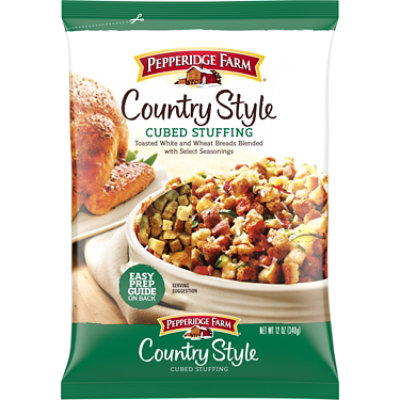
Bagged dried bread cubes | Unseasoned or lightly seasoned | Add your own butter, onion, celery, herbs, and broth |
Whole loaf | None | Most control. Needs a day to dry or an oven-drying step |
Cornbread | Varies | Base for cornbread dressing |
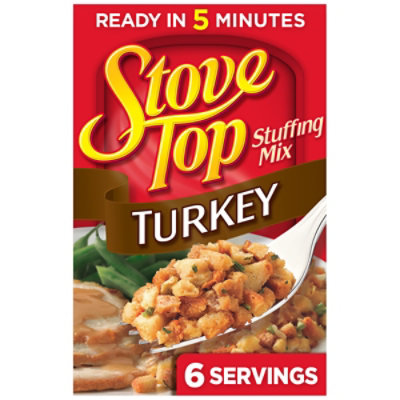
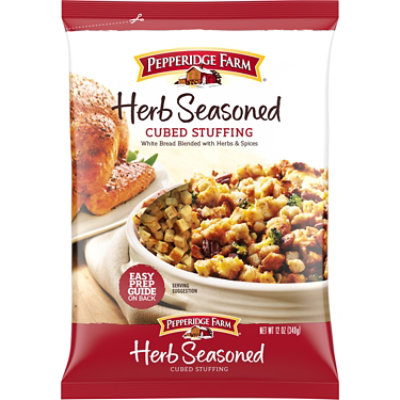
Dry bread soaks up broth without turning to paste, which is why stuffing cubes are sold dried. Bagged cubes skip the cubing and drying step so you can go straight to simmering butter, onion, celery, herbs, and broth and baking the pan alongside your other savory holiday casseroles. Boxed stuffing mix comes pre-seasoned for faster stovetop or oven cooking. One cook who reviewed Signature SELECT Stuffing Mix Box under the headline "Tastes great" wrote: "Added a mir poix and poultry seasoning, my guests loved it. Didn't even know it wasn't my home made cornbread."

Ingredients Bread Crumbs (Enriched Flour [Wheat Flour, Niacin, Reduced Iron, Thiamine Mononitrate, Riboflavin, Folic Acid], Cornmeal, Sugar, Salt, Vegetable Shortening [Palm Oil and/or Palm Kernel Oil], Yeast, Grain Vinegar, Turmeric [Color], Soy Lecithin, Annatto [Color]), Contains 2% or Less of Each of the Following: Dehydrated Onion, Salt, Hydrolyzed Corn and Soy Protein, Maltodextrin, Dehydrated Celery, Spice, Sugar, Potassium Chloride, Corn Starch, Soy Flour, Chicken Fat, Dehydrated Garlic, Turmeric (Color), Autolyzed Yeast Extract, Citric Acid, Disodium Inosinate, Disodium Guanylate.

Ingredients Bread Crumbs (Enriched Flour [Wheat Flour, Niacin, Reduced Iron, Thiamine Mononitrate, Riboflavin, Folic Acid], Whole Wheat Flour, Sugar, Vegetable Shortening [Palm Oil and/or Palm Kernel Oil], Salt, Wheat Gluten, Yeast, Grain Vinegar, Natural Flavor, Soy Lecithin), Dehydrated Onion, Maltodextrin, Contains 2% or Less of Each of the Following: Dehydrated Celery, Hydrolyzed Corn and Soy Protein, Salt, Spice, Sugar, Soy Flour, Autolyzed Yeast Extract, Potassium Chloride, Corn Starch, Caramel (Color), Chicken Fat, Turmeric (Color), Dehydrated Turkey Broth, Natural Flavor, Dehydrated Garlic, Dehydrated Turkey Meat, Calcium Lactate, Disodium Inosinate, Disodium Guanylate, Calcium Silicate, Citric Acid.

Ingredients ENRICHED WHEAT FLOUR (WHEAT FLOUR, NIACIN, REDUCED IRON, THIAMIN MONONITRATE [VITAMIN B1], RIBOFLAVIN [VITAMIN B2], FOLIC ACID), DEGERMINATED YELLOW CORNMEAL, HIGH FRUCTOSE CORN SYRUP, SALT, ONIONS*, CONTAINS LESS THAN 2% OF INTERESTERIFIED SOYBEAN OIL, VITAL WHEAT GLUTEN, POTASSIUM SALT, YEAST, MONOSODIUM GLUTAMATE, PARSLEY*, SPICE, MALTODEXTRIN, CELERY*, SUGAR, HYDROLYZED SOY PROTEIN, COOKED CHICKEN*, TURMERIC AND ANNATTO (COLOR), NATURAL AND AFTIFICIAL FLAVOR, WITH BHA, BHT AND ROESMARY EXTRACT AS PRESERVATIVES. *DRIED.

Ingredients Unbleached Enriched Flour (Wheat Flour, Malted Barley Flour, Niacin, Reduced Iron, Thiamin Mononitrate, Riboflavin, Folic Acid), Yeast, Sugar, Palm Oil, Onion Powder, Sea Salt, Spices.
Ingredients MADE FROM: ENRICHED WHEAT FLOUR (FLOUR, NIACIN, REDUCED IRON, THIAMINE MONONITRATE, RIBOFLAVIN, FOLIC ACID), SALT, SUGAR, YEAST, CONTAINS 2% OR LESS OF: VEGETABLE OILS (CANOLA AND/OR SUNFLOWER AND/OR PALM), SPICES, CELERY, ONION POWDER, CALCIUM PROPIONATE TO EXTEND FRESHNESS, ROSEMARY EXTRACT AND ASCORBIC ACID TO PROTECT FLAVOR, MALTED BARLEY FLOUR, SOY LECITHIN. CONTAINS: WHEAT, SOY.
The Food-Safety Rules for Stuffing
Cooking stuffing in a separate dish is safest. Whether you bake it in a dish or inside the bird, check the center with a food thermometer to make sure it reaches 165 °F.
You can prep the wet ingredients (butter, cooked onion and celery, broth) and the dry ingredients ahead of time and chill them separately. Mix them only right before baking or stuffing the bird.
Don't stuff the turkey the night before. If you are roasting the stuffing inside the bird, stuff the cavity loosely, using about ¾ cup per pound of turkey, and put the turkey straight into the oven. A stuffed turkey needs longer in the oven than an unstuffed bird, so check the roasting table in our turkey cooking guide. After roasting, let the turkey stand for 20 minutes before removing the stuffing.

Covered or Uncovered, Moist or Crisp
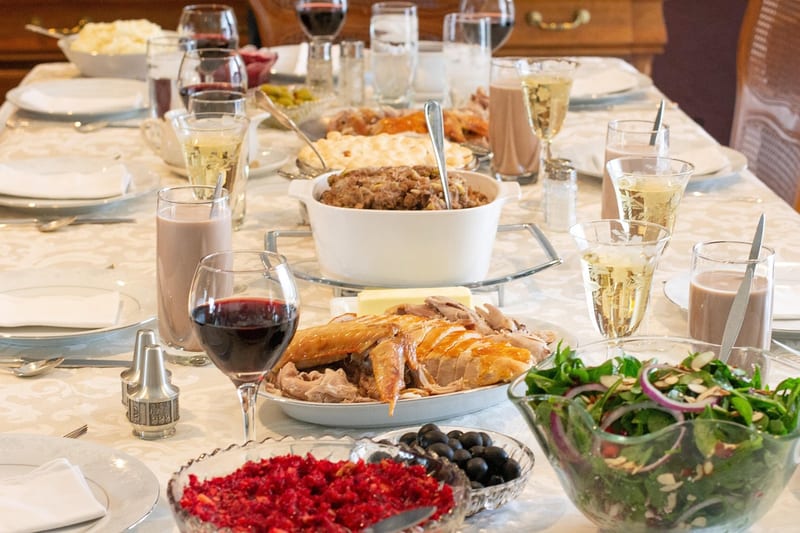
Baking stuffing covered with foil keeps the bread soft, while uncovering the dish for the final stretch crisps the top. Either way, check that the center of the dish reaches 165 °F before serving.
If your stuffing looks dry before baking or while reheating, add warm broth a little at a time until the bread is moistened. If the stuffing comes out soggy, take the foil off and bake it uncovered longer.
Common Questions About Gravy and Stuffing
Can I make turkey gravy ahead of time?
Yes. Simmer turkey necks or wings in broth to create your stock, cook a roux base up to two days in advance, and refrigerate it. On the day, add the pan drippings while the bird rests and boil it before serving.
How do I fix lumpy gravy?
Whisk thoroughly, then pour the gravy through a strainer. Next time, whisk the liquid into the roux slowly to prevent lumps from forming.
Can you make gravy without turkey drippings?
Yes. Make gravy with broth and a roux, or use a jar or packet from the shelf. Drippings add flavor, but they aren't required.
What is the difference between stuffing and dressing?
Where it cooks. Stuffing roasts inside the turkey cavity, while dressing bakes separately in a casserole dish.
Should stuffing be covered when baking?
Start with foil on the dish to keep the stuffing moist, then take it off for the last part of baking to brown the top. Check with a food thermometer that the center reaches 165 °F.
Can I stuff the turkey the night before?
No. The FSIS says to stuff the turkey loosely right before roasting, using about ¾ cup per pound.
How long do leftover gravy and stuffing keep?
Leftover gravy and stuffing keep for 3 to 4 days in the fridge. Take the stuffing out of the bird first and store it separately so it cools quickly. Reheat gravy to a rolling boil and heat stuffing to 165 °F in an oven set no lower than 325 °F. Our Thanksgiving leftovers guide covers freezing and reheating the rest of the meal.