


Simple Sustainable Swaps for Eco-Friendlier Laundry
Finding time for never-ending chores like laundry can be a challenge, let alone doing it in an eco-friendly way. But what if we told you that incorporating sustainable practices into your laundry routine could save you time and money while also protecting the planet? From choosing the right detergent to drying clothes without zapping energy, there are simple steps everyone can take to make their wash day greener. This article will guide you through easy-to-adopt methods that not only benefit the environment but might just give your busy schedule a breather too. So grab your basket and get ready to transform how you tackle those mountains of clothes with sustainability in mind.
Why Adopt Sustainable Laundry Practices

Adopting sustainable laundry practices is more than just a trend; it's a meaningful step toward reducing your environmental footprint. You don't have to overhaul your entire routine or change the detergent you use, if there's a brand you love. By making small changes to how you manage your laundry, you can significantly decrease water and energy consumption, minimize pollution, and even extend the life of your clothes. Let's explore why these eco-friendly adjustments are worth considering for your routine.
Save Water: Traditional laundry methods can use a significant amount of water. Opting for high-efficiency washing machines and choosing the correct load size can drastically cut down on water usage.
Reduce Energy Bills: Washing clothes in cold water and air-drying them can lower your energy bills. Cold water washes are just as effective with the right detergents, and skipping the dryer saves electricity.
Less Chemical Exposure: Eco-friendly detergents are gentler on fabrics and skin. They contain fewer harsh chemicals, reducing the risk of allergies and irritation.
Clothes Last Longer: Sustainable practices like using gentle cycles and natural detergents help maintain fabric integrity. This means your favorite outfits will look new for longer periods.
Lower Carbon Footprint: Every step towards more efficient appliances and methods contributes to less carbon dioxide emissions, combating climate change.
By integrating these sustainable habits into your laundry routine, you not only contribute positively to the environment but also enjoy personal benefits such as cost savings and healthier living spaces. Next, we'll guide you through selecting eco-friendly laundry products available at Safeway that align with these sustainable practices.
Easy Eco-friendly Laundering Techniques
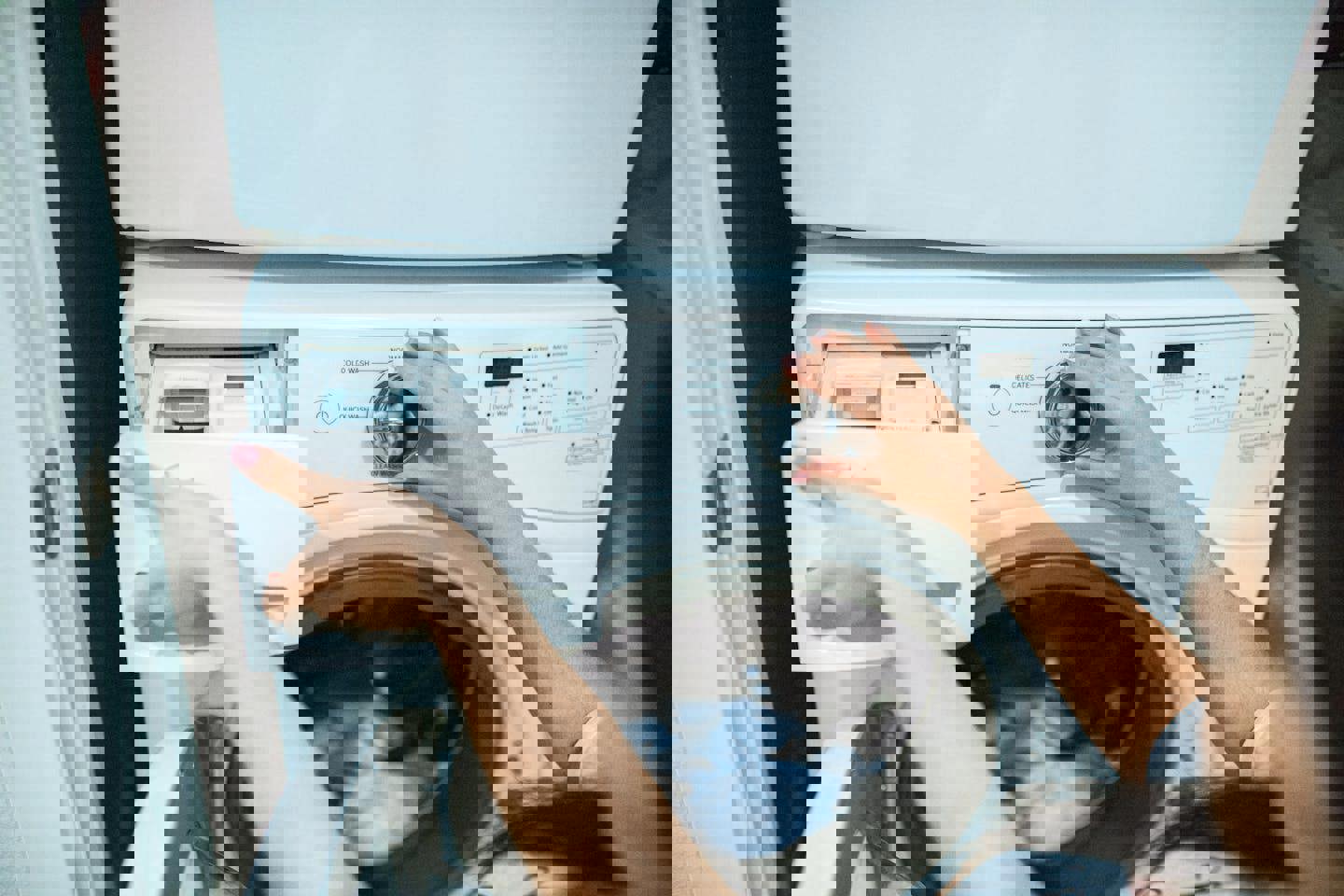
Switching to eco-friendly laundry techniques doesn't mean you have to compromise on the freshness and cleanliness of your clothes. In fact, with a few simple adjustments, you can enjoy wonderfully clean laundry while doing your part for the environment. Here are some easy steps to make your laundering process more sustainable:
Add Essential Oils: If you love your laundry smelling fresh but want to avoid chemical fragrances, add a few drops of essential oils to your wash or pre-soak solution. Lavender, lemon, or eucalyptus can leave your clothes smelling wonderful naturally.
Dry Clothes Outside: Whenever possible, skip the dryer and hang your clothes outside to dry. Not only does this save energy, but the sun's natural bleaching effect can help keep whites bright without chlorine bleach. Plus, nothing beats the fresh scent of air-dried laundry.
Pre-soak with Vinegar: For an extra boost of cleanliness without the chemicals, pre-soak your clothes in a mixture of water and vinegar. This natural solution helps remove tough odors and stains. Just add a cup of vinegar to a basin of water and soak your clothes for at least 30 minutes before washing.
Use Eco-Friendly Detergents: Opt for detergents that are biodegradable and free from phosphates and harsh chemicals. These detergents are not only better for the planet but also gentle on your clothes and skin.
Wash in Cold Water: Use the cold water or eco-setting on your washer and dryer.
By incorporating these techniques into your routine, you'll find that maintaining an eco-friendly approach to laundry is both simple and rewarding. Not only will you reduce your environmental impact, but you'll also enjoy the added benefits of cleaner, fresher-smelling clothes without relying heavily on artificial fragrances or energy-intensive drying methods.
Choosing a Gentle Laundry Detergent
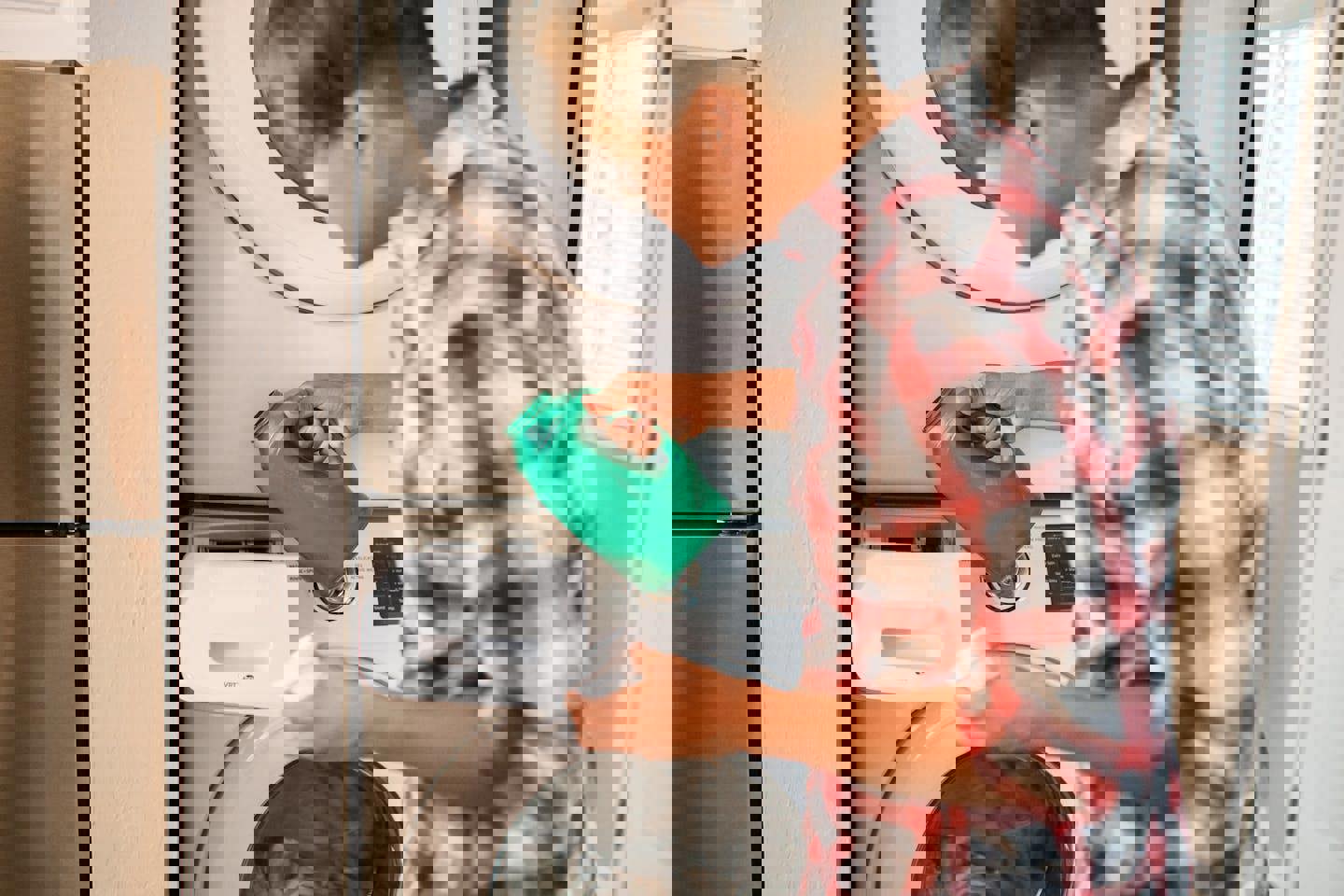
When it comes to doing laundry in an eco-friendly manner, the choice of detergent plays a crucial role. Not all detergents are created equal, and selecting one that's kind to the planet without sacrificing cleaning power is key. Eco-friendly detergents are designed to minimize environmental impact, using biodegradable ingredients and packaging that reduces waste. Here's how to pick the right one for your needs:
Biodegradable Ingredients: Look for detergents that break down naturally in the environment. These formulas are less likely to contribute to water pollution and are safer for aquatic life.
Phosphate-Free: Phosphates can cause algal blooms in bodies of water, leading to environmental damage. Choosing phosphate-free detergents helps protect rivers and lakes.
Concentrated Formulas: Concentrated detergents require less packaging and reduce carbon emissions during transportation. Plus, they're just as effective as their non-concentrated counterparts but use less product per load.
Plant-Based: Detergents made from plant-based ingredients rather than petroleum are renewable and have a smaller carbon footprint. They're also gentler on fabrics and skin.
Minimal Packaging: Opt for brands that use recycled or minimal packaging to further reduce your environmental impact. Some brands even offer refill stations or bulk purchasing options.
By selecting an eco-friendly laundry detergent, you not only ensure your clothes come out clean and fresh but also take a step towards reducing your household's environmental footprint. With these tips, finding a detergent that works for you and the planet is easier than ever. Next up, we'll explore additional sustainable laundry practices that complement the use of eco-friendly detergents, enhancing your green routine even further.
Drying Clothes Sustainably

Drying your clothes in a way that's kind to the environment doesn't have to be complicated or time-consuming. In fact, with a few simple tweaks to your routine, you can save energy and reduce your carbon footprint while still getting that crisp, fresh laundry feel we all love. Whether you're someone who always seems to be on the go or just looking for ways to live more sustainably, these tips are designed to fit seamlessly into your lifestyle.
Air-Dry When Possible: Take advantage of sunny days by hanging your clothes outside. Not only does this method use zero electricity, but the sun's natural bleaching effect keeps whites bright and reduces bacteria.
Use a Drying Rack: For those living in apartments or areas with less outdoor space, a foldable drying rack is a great solution. It's perfect for air-drying clothes indoors without taking up too much space.
Spin Dry Before Hanging: If you're using a washing machine, select the highest spin cycle. This removes excess water and significantly reduces drying time, whether you're air-drying or using a dryer.
Choose Energy-Efficient Dryers: If air-drying isn't an option for you, opt for an energy-efficient dryer model. Look for ones with moisture sensors that automatically shut off when clothes are dry to avoid over-drying and wasting energy.
Dry Full Loads: Maximize efficiency by drying full loads rather than multiple smaller ones. This approach saves energy and time.
By incorporating these sustainable drying techniques into your routine, you'll not only contribute positively to the environment but also enjoy the added benefits of fresher-smelling clothes and potentially lower utility bills. Plus, it's an easy step towards a more eco-conscious lifestyle that doesn't sacrifice convenience or effectiveness. Let's make sustainable choices together for a brighter future.
FAQ
How often should I wash my clothes to be more sustainable?
Washing clothes less frequently can help reduce water and energy usage. Assess if items are truly dirty before laundering. Some garments like jeans can be worn multiple times before needing a wash.
Can I make my own eco-friendly detergent?
Yes, you can make your own detergent using simple ingredients such as washing soda, borax, and grated bar soap. This homemade option is more sustainable and can be less irritating for sensitive skin.
What's the best way to handle tough stains in an eco-friendly manner?
Pre-treat stains with a paste made from baking soda and water or use lemon juice for its natural bleaching effect on certain fabrics. These methods are effective and eco-friendly.
How can I save water while doing laundry?
Choose the correct load size on your washing machine to avoid using more water than needed, and consider upgrading to a high-efficiency model that uses less water per cycle.
What temperature should I wash at to save energy?
Washing clothes in cold water saves energy by not heating the water. Cold water is effective for most laundry loads with the right detergent.
How can I reduce microfiber pollution from washing clothes?
Use a microfiber filter in your washing machine or a specially designed laundry bag to catch microfibers, preventing them from entering waterways.
Are there sustainable options for fabric softeners?
Vinegar can be used as a natural fabric softener in the rinse cycle. It is eco-friendly and leaves clothes soft without the use of heavy chemicals.
How does air-drying clothes inside affect indoor air quality?
Air-drying clothes inside can slightly increase humidity levels, which can be beneficial in dry climates. Ensure adequate ventilation to prevent any potential issues with mold growth.
Can I use essential oils in the dryer?
Yes, add a few drops of essential oils to wool dryer balls to impart a natural fragrance to your laundry as it dries.
What's the impact of using traditional dryers on the environment?
Traditional dryers use a significant amount of electricity, contributing to higher energy consumption and carbon emissions compared to air drying or using an energy-efficient model.
How do I choose the right drying rack for my space?
Consider the size of your space and the amount of laundry you typically dry. Compact, foldable models are ideal for small spaces or limited drying needs.
Can washing clothes less frequently damage them?
Washing clothes less often can extend their life by reducing wear and tear from the washing process, especially for delicate fabrics.
How can I convince my household to adopt more sustainable laundry practices?
Educate them on the benefits, such as saving money on utility bills and extending the lifespan of clothing, and demonstrate how easy it is to incorporate these practices into your routine.
What should I do with old clothes that can't be donated?
Consider repurposing them into cleaning rags, or look for textile recycling programs in your area to prevent them from ending up in landfills.