


Holiday Desserts: Complete Sweet Endings & Entertaining Guide
Master the art of memorable desserts for any holiday gathering. Complete guide to festive sweet endings with make-ahead strategies, presentation techniques, and timing tips for stress-free entertaining.
Quick reference
| Dessert Portions | 1 serving per person plus 10% extra, offer 2-3 dessert options |
|---|---|
| Temperature Control | Room temp desserts 30-60 min before serving, cold desserts until serving time |
| Variety Balance | Mix textures and temperatures - offer both warm and cold dessert options |
| Make-Ahead Success | Most desserts improve when made 1-3 days ahead, assemble just before serving |
| 3 Days Before | Cheesecakes, pound cakes, brownies, cookies - items that improve with time |
| 1 Day Before | Fruit pies, crisps, trifles, whipped toppings, sauces and garnishes |
| Day Of | Fresh fruit preparations, final assembly of layered desserts, whip cream |
| Last Hour | Final plating, add fresh garnishes, remove from fridge to reach serving temp |
| Dessert Display | Create attractive dessert tables at room temperature, add cold items last minute |
| Temperature Zones | Keep backup desserts refrigerated, refresh display as items are consumed |
| Individual Portions | Pre-portion desserts in glasses or plates for easy serving and portion control |
Shoppable recipes
Rather start from a proven recipe? These are ready to shop in one click.
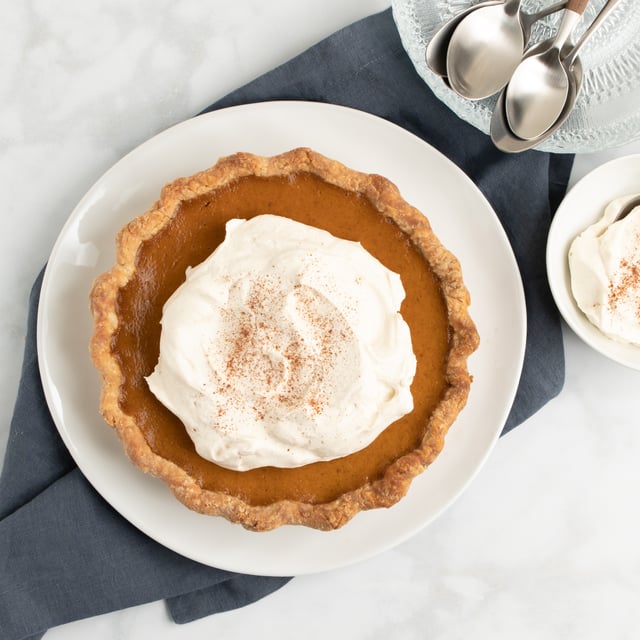
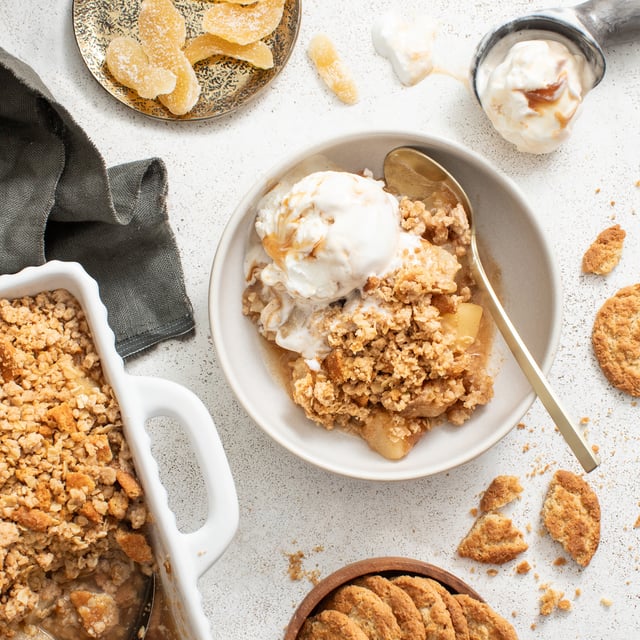
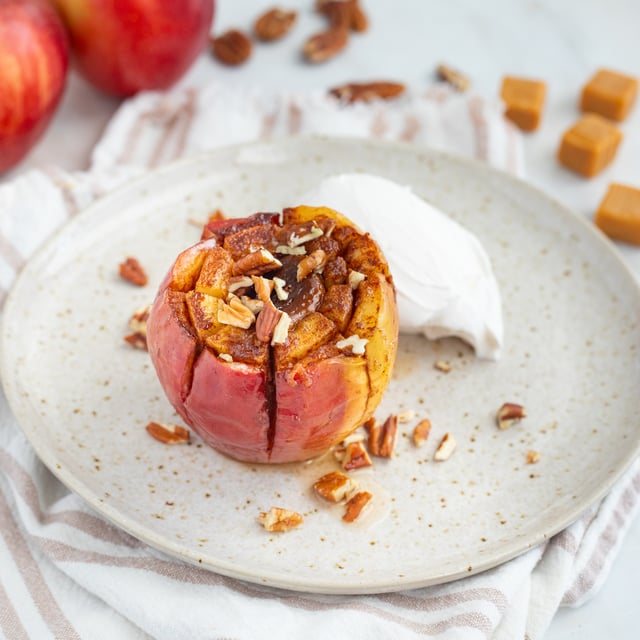
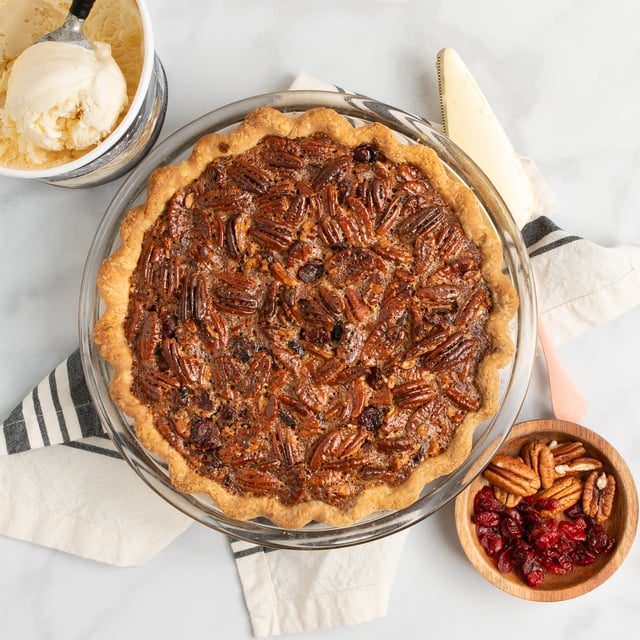

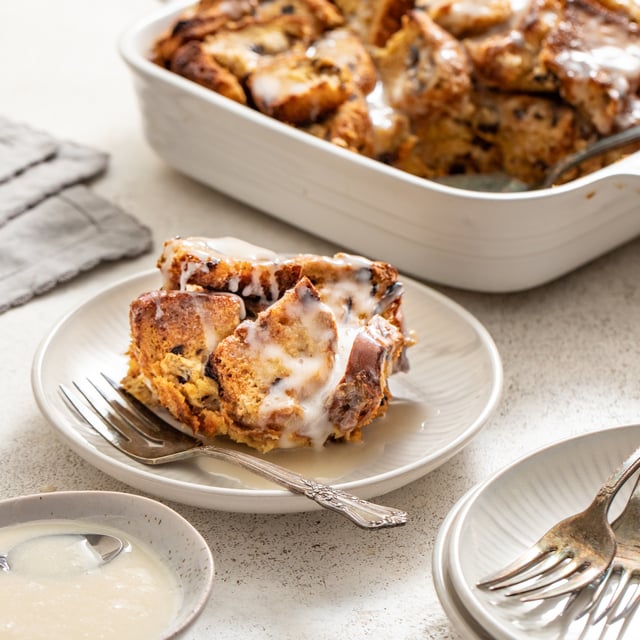
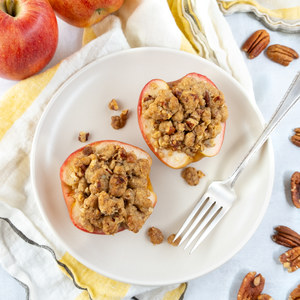
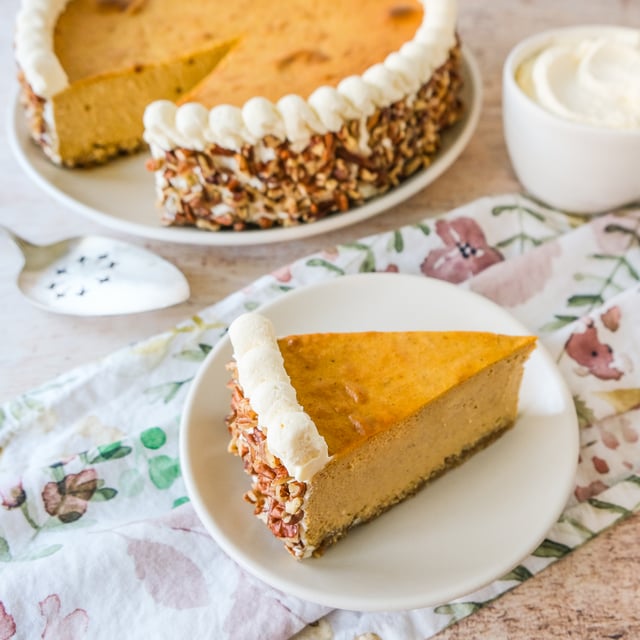
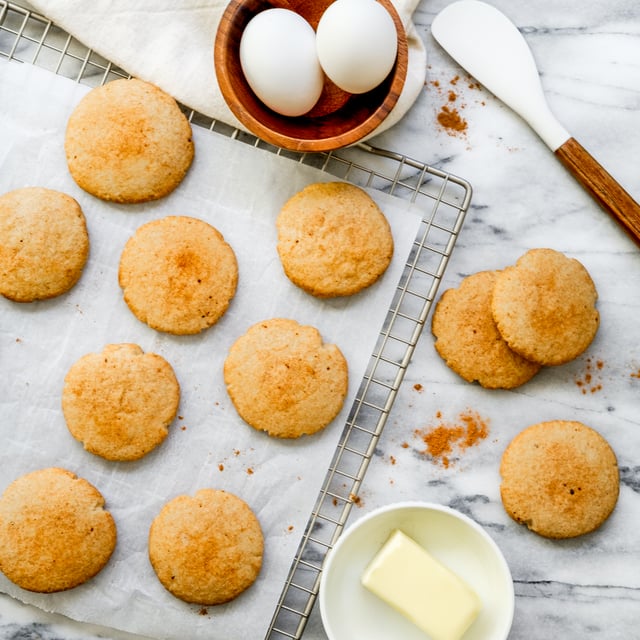

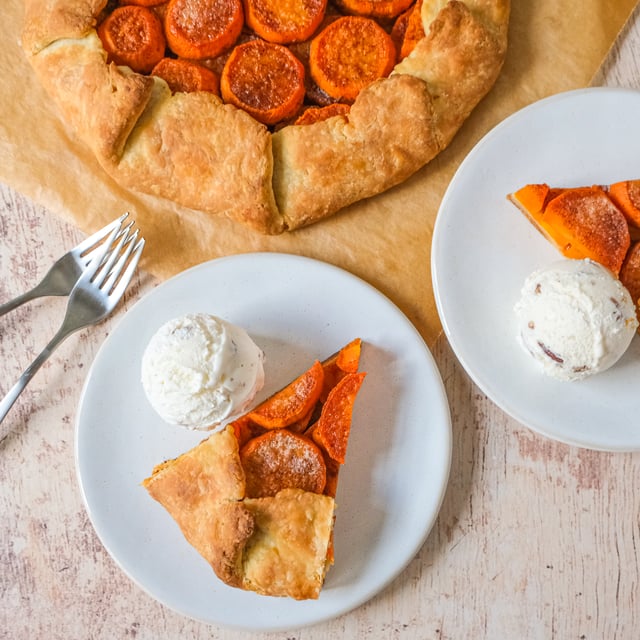
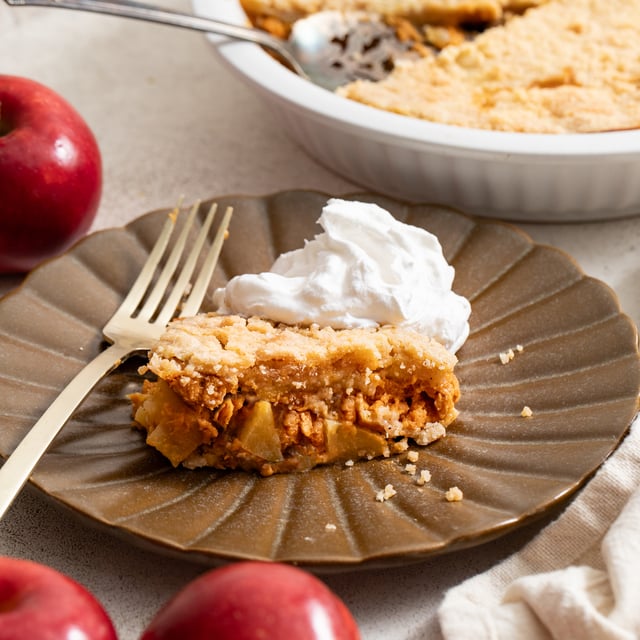

Memorable desserts and sweet endings to perfect holiday gatherings
Make-Ahead Dessert Mastery
Smart dessert planning focuses on options that improve with time or can be assembled ahead. Fruit-based desserts, trifles, and ice cream desserts actually benefit from advance preparation. Fresh fruit desserts allow flavors to meld overnight, while frozen desserts can be made days ahead. Focus your energy on homemade elements that make the biggest impact - fresh whipped cream, homemade sauces, or artful presentation - while using quality store-bought bases like pound cake or premium ice cream.
Pro tip: Assembly Strategy: Prepare components separately, assemble just before serving to maintain textures
Fresh and Seasonal Endings
Fresh fruit desserts provide light, refreshing endings to rich meals while celebrating seasonal flavors. Biscuits and shortcakes offer the perfect vehicle for showcasing peak-season fruits. The key is balancing sweetness, acidity, and texture. Macerate berries with a little sugar to draw out juices, whip cream just until soft peaks form, and serve at room temperature for best flavor. These desserts feel special but aren't overly heavy after a large meal.
Pro tip: Fruit Prep Timing: Prepare fruit 1-2 hours ahead to develop juices, assemble shortcakes at serving time
Elegant Presentation Techniques
Transform simple desserts into memorable endings through thoughtful presentation. Use attractive serving dishes, garnish with fresh mint or edible flowers, and create height with layered components. Individual portions in glasses or ramekins feel more special than family-style service. Dust with powdered sugar, drizzle with sauces, or add contrasting textures like toasted nuts or cookies. Remember that guests eat with their eyes first - invest time in beautiful plating.
Pro tip: Temperature Contrast: Combine warm and cold elements - warm fruit with cold cream, or room temperature cake with cold berries
Dessert presentation and plating techniques for restaurant-quality results
Fundamental Plating Principles
Apply professional plating techniques to elevate homemade desserts. Use white or neutral plates to showcase desserts without color competition. Create height by layering components or leaning elements against each other. Establish focal points—place main element slightly off-center rather than dead-center for visual interest. Use odd numbers (3 berries, 5 chocolate curls) which appear more natural. Leave negative space—don't crowd plates. Think in threes: main element, sauce, garnish. Wipe plate edges clean before serving for polished presentation.
Pro tip: Temperature Awareness: Use chilled plates for cold desserts, room temperature plates for warm—temperature affects dessert's texture and appearance
Sauce Application and Garnishing
Master sauce techniques that add visual drama. Pooling creates smooth bases—spoon sauce onto plate first, place dessert on top. Drizzling adds movement—use squeeze bottles or spoons held high for controlled patterns. Painting uses back of spoons to create swooshes. Dots and designs made with contrasting sauces add sophistication—drag toothpicks through dots for hearts or feathers. Dust powdered sugar or cocoa through stencils for patterns. Add fresh herbs (mint sprigs), edible flowers, or citrus zest for color pops. Chocolate shavings, candied nuts, or fresh berries provide textural contrast.
Pro tip: Practice First: Test plating techniques on extra plates before serving—muscle memory improves presentation speed and consistency
Individual Portions and Serving Styles
Create impressive individual desserts that simplify serving and control portions. Use small glasses, ramekins, or jars for layered desserts like parfaits or trifles—guests see beautiful layers. Mason jars add rustic charm while containing messier desserts. Individual tart shells, cupcakes, or mini cheesecakes eliminate cutting and plating during parties. For plated desserts, prepare components separately and assemble just before serving to maintain textures. Consider deconstructed presentations—components artfully arranged separately on plate rather than traditionally assembled.
Pro tip: Make-Ahead Strategy: Prepare individual portions in serving vessels 2-4 hours ahead, refrigerate covered, add final garnishes just before serving
Seasonal and Themed Presentation
Adapt presentation to match occasions and seasons for memorable impact. Fall: use warm spices, caramel drizzles, cinnamon sticks, candied pecans, edible gold dust. Winter: dust with powdered sugar for snowy effect, add peppermint, cranberries, pomegranate seeds, evergreen sprigs. Spring: incorporate edible flowers, pastel colors, fresh berries, mint, lemon zest. Summer: bright fruits, coconut, tropical garnishes, colorful sauces. Holidays: themed shapes using cookie cutters, coordinated color schemes, festive garnishes. Consider plate colors and textures that enhance theme—rustic wooden boards for casual, elegant china for formal.
Pro tip: Color Coordination: Choose garnishes that complement dessert colors—avoid competing colors, embrace monochromatic or analogous color schemes
Frequently asked questions
Can I make desserts ahead without sacrificing quality?
Most desserts improve or maintain quality when made ahead! Fruit pies, tarts, and crisps can be baked 1-2 days ahead—reheat briefly before serving. Cheesecakes actually need 24 hours to set properly. Layer cakes stay moist for 2-3 days when well-wrapped. Cookies keep 3-5 days in airtight containers. Prepare components (crusts, fillings, frostings) separately up to 3 days ahead and assemble day-of. Avoid making ahead: meringues (get sticky), fresh fruit desserts (get soggy), whipped cream (deflates). Freeze desserts like brownies, unfrosted cakes, and cookie dough for up to 1 month.
How much dessert should I serve per person?
Plan 1 serving per person plus 10% extra for generous portions or seconds. If serving 2-3 dessert options, portions can be slightly smaller as guests will sample multiple items. For casual gatherings, 1/8 of a 9-inch pie or 1 slice of cake per person. For formal dinners, more modest portions (1/12 of a pie) suit multi-course meals. Cookies: 2-3 per person. Individual desserts (cupcakes, tarts): 1-2 per person. Always have extra—dessert is where guests indulge and seconds are common.
What's the best way to set up a coffee station?
Set up a dedicated beverage station with everything guests need: regular and decaffeinated coffee, hot water for tea, various tea bags, cream, milk, sugar, honey, and sugar alternatives. Include small spoons, cocktail napkins, and attractive mugs or cups. Brew coffee fresh—plan 1/2 cup (4 oz) per person for after-dinner service. Keep coffee hot in insulated carafes rather than on warming plates (which creates bitter flavors). Add special touches like cinnamon sticks, whipped cream, chocolate shavings, or flavored syrups. Start brewing as you serve dessert so fresh aroma enhances the experience.
How do I keep desserts at the right temperature?
Room temperature desserts (cakes, cookies, pies): remove from refrigerator 30-60 minutes before serving for best flavor and texture. Cold desserts (cheesecake, mousses): keep refrigerated until serving, then display no more than 2 hours. Ice cream: keep in freezer until the last minute, scoop into serving bowls just before serving. Hot desserts: serve immediately from oven or keep warm in 200°F oven loosely covered. Use chilled plates for cold desserts, room temperature plates for everything else. Never leave dairy-based desserts at room temperature more than 2 hours.
What's the easiest impressive dessert for non-bakers?
Assemble show-stopping desserts using quality store-bought components: layer Safeway bakery pound cake with fresh berries and whipped cream for shortcakes, create parfaits with premium ice cream and homemade sauce, or build trifles with store-bought cake, pudding, and fruit. Fresh fruit crisps require minimal skill—just toss fruit with sugar, top with streusel, and bake. No-bake cheesecakes using cream cheese, whipped cream, and pre-made crusts look impressive but require no baking skills. Focus effort on homemade elements that make biggest impact: fresh whipped cream, homemade sauces, or beautiful presentation.
How do I fix desserts that didn't turn out right?
Dry cake: brush with simple syrup, serve with ice cream or whipped cream, or transform into trifle. Over-baked cookies: crumble for ice cream topping or pie crust. Runny pie filling: serve in bowls with ice cream calling it a 'fruit crisp.' Broken ganache: add warm cream gradually while whisking. Curdled custard: strain through fine-mesh sieve to remove lumps. Sunken cake center: fill depression with berries, whipped cream, or frosting. Most dessert 'failures' can become 'deconstructed' or 'rustic' versions with creative presentation and confidence.
How do I make dessert garnishes look professional?
Keep garnishes simple, fresh, and edible. For desserts: fresh mint sprigs, powdered sugar dusted through stencils, fresh berries, chocolate shavings, citrus zest, edible flowers, caramel drizzles, or toasted nuts. Prepare garnishes 2-3 hours ahead and store in containers lined with damp paper towels. Use microplane for fine zests and chocolate shavings. Chill chocolate before shaving for cleaner curls. Practice your technique before the party—consistent execution matters more than complexity.