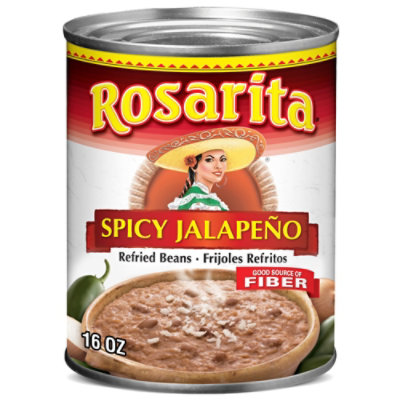
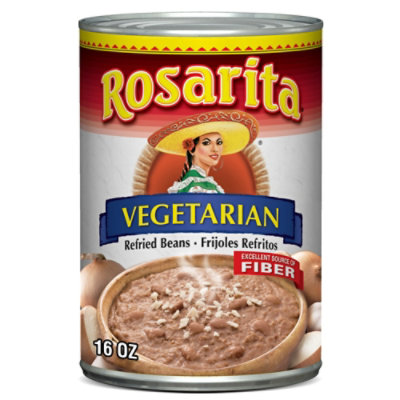
Bestsellers for Canned Beans


Canned beans are simply dry beans that have already been soaked and cooked in water, usually with salt added at the cannery. They match dry beans in fiber, plant protein, and minerals: as NDSU notes, canned beans "still contain all of the valuable nutrients as their dry counterparts." What changes between the two is sodium, and draining and rinsing a can at the sink can cut sodium by about 40 percent.
Starting with a dry bag takes more planning. Most varieties need several hours of soaking before being ready to simmer on the stove for another one to two hours. That extra time lets you season the pot from scratch and pull the beans while they still have a firm bite or cook them down into a creamy mash. Signature SELECT and O Organics beans come in both dry bags and cans, including no-salt-added cans, as an alternative to the national brands.
Canned and Dry, Side by Side
Canned | Dry | |
|---|---|---|
Time to the table | Ready after draining | Soak (1 hour quick, or overnight) plus about 1 to 2 hours on the stove |
Yield | One 15-ounce can, drained, stands in for about 1¾ cups cooked beans | 1 pound makes about 5 to 6 cups cooked |
Sodium, black beans per ½ cup | About 460 mg regular; "no salt added" cans far lower (check the label) | About 1 mg cooked without salt |
Fiber and protein, black beans per ½ cup | Similar to home-cooked | 7.5 g fiber, 7.6 g protein (cooked) |
Texture control | Fixed, often softer | Yours to decide |
Canned beans win on a busy weeknight or when you only need a cup to toss into a salad. Dry beans make more sense for a big pot of soup or chili, especially when they simmer for several hours with crushed, diced, whole and pureed canned tomatoes and need to hold their shape without turning mushy. A 1-pound bag of dry beans cooks up to 5 to 6 cups, which equals about three drained cans.
Our fiber guide breaks down daily targets alongside other high-fiber pantry staples. If you are rounding out a stew or planning side dishes, our look at frozen, fresh and canned vegetables covers when to reach for shelf-stable cans and when fresh produce holds its texture better.


Cutting the Sodium
Salt is the biggest nutritional difference between a standard can and a pot of beans cooked from scratch. USDA data puts regular canned black beans at roughly 460 milligrams of sodium per half-cup serving, or one-fifth of the FDA Daily Value of 2,300 milligrams. A half cup of dry black beans cooked at home without salt has about 1 milligram.
You can wash away a large amount of that added salt at the kitchen sink. In a 2011 study on canned beans, draining the liquid cut sodium by 36 percent, and following that drain with a cold tap rinse reduced sodium by 41 percent. The FDA gives the same advice, recommending a quick rinse for canned beans, tuna, and vegetables to bring sodium down.
If you would rather skip the colander look for no salt added or reduced sodium labels on the can.
"No salt added" means the cannery added no salt, though the beans keep a little natural sodium, while "reduced sodium" means at least 25 percent less than the brand's regular can. Bush's Reduced Sodium Black Beans, for instance, list 200 milligrams per half cup compared with about 450 milligrams in the standard can.
For everyday cooking, you can either buy no-salt-added cans and season the pot yourself, or drain and rinse regular cans under cold running water. Rinsing also clears away the starchy packing liquid so beans stay separate in a cold salad, though you may want to keep a spoonful of that starchy liquid when you want to thicken a soup or chili. Reviewing our O Organics Beans Black No Salt Added under the headline "The best black beans", one shopper praised how well the beans hold their shape and noted that "the liquid component is tasty and not too viscous."


Cooking Dry Beans
Spread dry beans across a flat rimmed baking sheet first and pick out cracked skins, dirt clods, or small field stones before rinsing them in a colander. A quick rinse alone can miss debris: in a review of Signature SELECT Beans Pinto Dry titled "Good", a shopper who only rinsed the bag still found a few small stones in the finished pot.
Most whole beans need a soak next so they take in water and cook at the same pace on the stove. For an overnight soak, cover each pound of beans with 10 cups of cold water and set the pot in the refrigerator for 8 hours or overnight. When you are short on time, bring the beans and water to a boil for 2 to 3 minutes, pull the pot off the burner, and let them sit in the hot water for at least 1 hour. Lentils, split peas, and black-eyed peas do not need soaking at all; they are small enough to soften right in the simmering pot.
After soaking larger varieties, drain off the soak water, cover the beans with fresh water, and bring them to a gentle simmer. Great Northern beans cook tender in 45 to 60 minutes, black beans take 60 to 90 minutes, and denser kidney, navy, and pinto beans need 90 minutes to 2 hours. Older beans take noticeably longer to soften than fresh stock, so use your oldest bag first and start tasting a bean or two before the minimum time is up. One customer who reviewed O Organics Beans Pinto under the headline "Hit or miss" had batches "taking forever to cook" and suspected an older bag.
Cooks and food scientists split on when to salt the water. NDSU Extension recommends waiting until the beans are nearly tender "because salt tends to toughen beans." America's Test Kitchen goes the other way and salts the soaking water ahead of time to soften the skins.
Cooking from a dry bag also lets you swap plain water for broth, stock, bone broth and bouillon so the beans absorb savory flavor as they simmer.
Leftover cooked beans last 3 to 4 days in the refrigerator in a covered container. For longer storage, University of Maine Extension notes that cooked beans freeze well for up to 6 months. Portion them into freezer bags in 1¾-cup batches with a splash of their cooking liquid, and each bag will stand in directly for a 15-ounce can.


Ingredients Prepared Garbanzo Beans, Water, Salt, Calcium Chloride (Firming Agent), Disodium EDTA (to Promote Color Retention).
Boil Red Kidney Beans Hard First
Raw or undercooked red kidney beans carry a natural plant toxin called phytohaemagglutinin. The FDA Bad Bug Book reports that eating "As few as four or five raw beans can trigger symptoms," bringing on severe nausea and vomiting within 1 to 3 hours, followed by recovery in 3 to 4 hours.
Do not put raw kidney beans straight into a slow cooker. As the FDA warns, "Slow cookers don't get hot enough to destroy the toxin in kidney beans." Instead, soak dry kidney beans in cold water for at least 5 hours and drain the soaking water away. Boil the beans hard in fresh water for at least 30 minutes before you move them to a slow cooker or mix them with other ingredients.
Canned kidney beans have already been cooked through at the cannery, so you can stir them straight into easy slow cooker one-pot meals with no boiling step beforehand.
Common Questions About Canned and Dry Beans
Are canned beans as healthy as dried beans?
Yes. You get the same fiber, plant protein, and minerals from a can as you do from beans simmered at home. Added salt is the only real nutritional difference: rinsing regular beans cuts the sodium by roughly 40 percent, or you can buy cans packed without added salt.
How many cans of beans equal a pound of dried beans?
One pound of dried beans swells to about 5 to 6 cups once cooked. A drained 15-ounce can holds roughly 1¾ cups, so a single 1-pound bag replaces about three cans.
Do you have to rinse canned beans?
No. You can use them straight from the can, though draining and rinsing under tap water washes away about 41 percent of the sodium along with excess starch. When you want a thicker broth in a soup or stew, pouring in some of that starchy liquid helps give the pot body.
Do you need to soak beans before cooking?
Yes, whole varieties like pinto, black, and navy beans need hours in cold water or a brief boil followed by a one-hour rest to cook evenly. Lentils and split peas don't: they cook straight from the bag.
Can you cook dried kidney beans in a slow cooker?
Not from raw. Dry red kidney beans contain a toxin that slow-cooker heat cannot neutralize. Soak them for at least five hours, discard that water, and boil them hard in fresh water for 30 minutes before adding them to the slow cooker.
What does "no salt added" mean on canned beans?
The cannery packed the beans in plain water without extra salt, though trace natural sodium remains. That is why the label has to say it is not a sodium-free food.
How long do cooked beans last in the fridge?
Keep chilled beans in a sealed container in the refrigerator for up to four days, or freeze them in recipe-sized batches for up to half a year.