


Soups & Stews from Scratch: Complete Guide to Hearty Homemade Soups
Master homemade soups and stews using rotisserie chicken shortcuts, quality broths, and fresh ingredients. Learn timing, techniques, and storage tips for budget-friendly, comforting meals the whole family will love.
Quick reference
| Chicken Noodle (with rotisserie) | 20 minutes total - 15 min simmering, 5 min for noodles to cook |
|---|---|
| Beef Vegetable Soup | 25 minutes after browning beef, vegetables tender in 10-15 minutes |
| Classic Beef Stew | 45 minutes total - 20 min browning, 25 min simmering until tender |
| Quick Vegetable Soup | 15 minutes - soft vegetables cook quickly in hot broth |
| Chicken Stock Uses | Rich, gelatinous base for hearty soups, stews, risottos - made from bones |
| Chicken Broth Uses | Lighter, seasoned liquid for quick soups, cooking grains, lighter dishes |
| Homemade Benefits | Control salt content, richer flavor, use rotisserie chicken bones and scraps |
| Store-Bought Shortcuts | Kitchen Basics and Swanson offer low-sodium, quality options for convenience |
| Flavor Boosting | Enhance store-bought broth with aromatics, wine, herbs during cooking |
| Layer Building | Sauté aromatics (onions, garlic, celery) first for deep flavor foundation |
| Timing Vegetables | Add firm vegetables first (carrots, potatoes), delicate ones last (greens, peas) |
| Seasoning Strategy | Season lightly at start, taste and adjust at end - flavors concentrate during cooking |
| Starch Addition | Add pasta, rice, or potatoes in final stages to prevent mushiness |
| Storage Smart | Store noodles/rice separately from broth to maintain texture when reheating |
| Freezer Prep | Most soups freeze well for 3 months, leave room for expansion in containers |
| Leftover Magic | Transform roasted vegetables, cooked grains, and proteins into quick soups |
| Batch Cooking | Make large batches on weekends, portion for easy weeknight meals |
Shoppable recipes
Rather start from a proven recipe? These are ready to shop in one click.
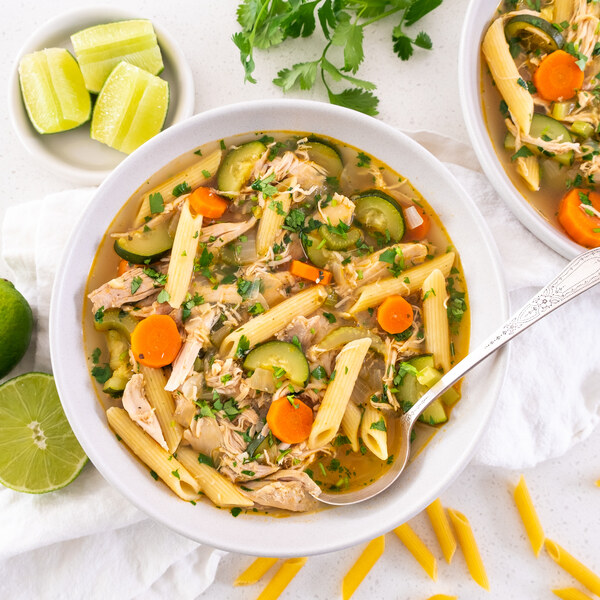
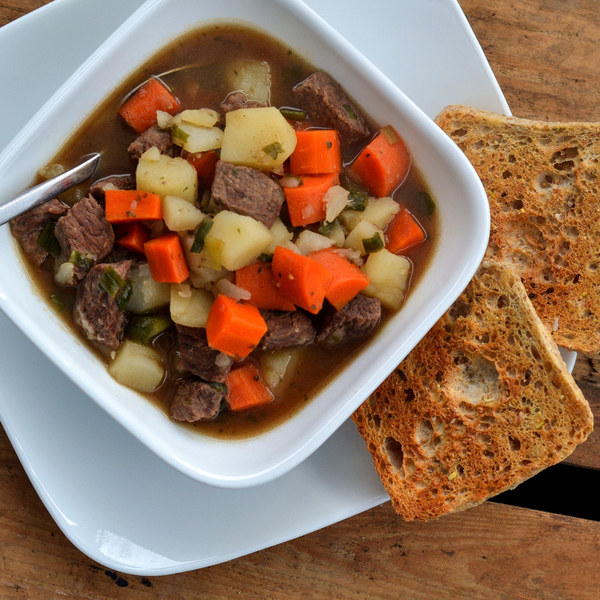
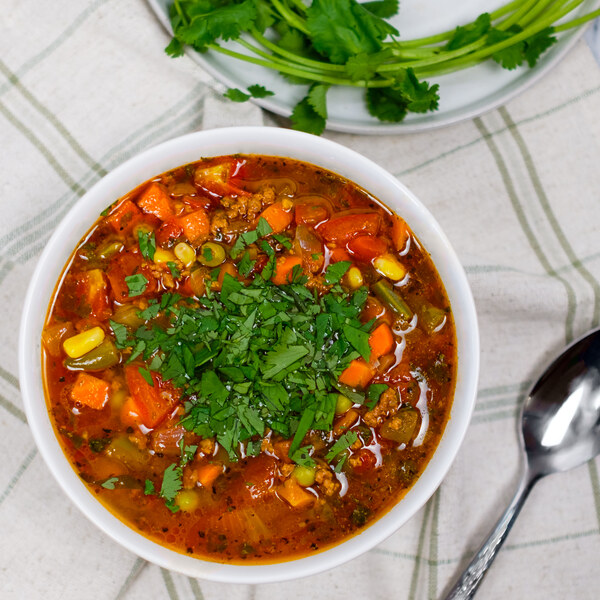
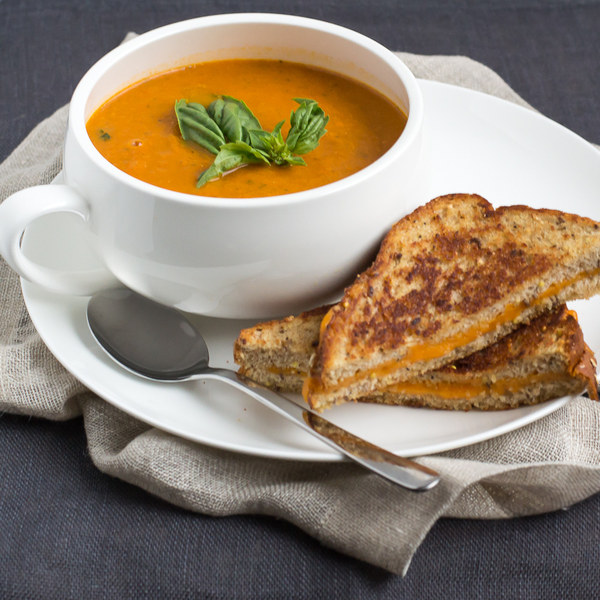
Essential soup and stew techniques for homemade comfort
Master the Aromatic Base (Mirepoix)
Every great soup starts with a flavorful foundation called mirepoix - the classic combination of onions, carrots, and celery sautéed until fragrant. Use 2:1:1 ratio (2 parts onion to 1 part each carrots and celery) diced into uniform pieces for even cooking. Heat oil or butter in heavy-bottomed pot over medium heat, add onions first and cook 3-4 minutes until softened, then add carrots and celery, cooking another 5 minutes until vegetables are tender and aromatic. This base provides depth and sweetness that transforms simple broths into complex, satisfying soups. Don't rush this step - properly cooked aromatics are the difference between good and great soup.
Pro tip: Size Matters: Dice vegetables uniformly for even cooking - too large pieces won't soften properly, too small burns quickly
Rotisserie Chicken Shortcuts
Safeway's rotisserie chicken is your secret weapon for quick, flavorful soups in under 30 minutes. Remove and shred meat from bones, saving skin and bones for stock-making later. One rotisserie chicken yields 3-4 cups shredded meat, enough for multiple soup servings. Add shredded chicken to soup during final 5-10 minutes of cooking to prevent toughness - it's already cooked and just needs warming through. The seasoned skin adds incredible flavor to homemade stock when simmered with vegetables and herbs. For meal prep, buy two chickens: use meat for immediate soup-making and bones for stock that provides base for future soups throughout the week.
Pro tip: Bone Stock Gold: Simmer rotisserie chicken bones with vegetables for 2-4 hours to make rich, gelatinous stock
Perfect Beef Stew Technique
Tender beef stew requires proper browning and timing for maximum flavor and texture. Cut chuck roast into uniform 2-inch pieces, removing excess fat but leaving some for flavor. Pat meat completely dry and season generously with salt and pepper. Brown meat in batches in heavy Dutch oven over medium-high heat - don't overcrowd or meat steams instead of browning. Each piece needs 3-4 minutes per side for deep golden crust. Remove meat, sauté aromatics in same pot to capture browned bits, then deglaze with wine or broth. Return meat with accumulated juices, add liquid to barely cover, bring to simmer, and cook covered 1.5-2 hours until fork-tender. Add root vegetables in final 30 minutes.
Pro tip: Fond Foundation: Brown bits left in pot after searing meat contain concentrated flavor - scrape them up when deglazing
Vegetable Timing and Texture
Achieving perfect vegetable texture in soups requires understanding cooking times and adding ingredients in proper sequence. Root vegetables (potatoes, carrots, parsnips) need 15-20 minutes of simmering to become tender, so add them early in cooking process. Medium-firm vegetables like bell peppers, zucchini, and green beans need 5-10 minutes and should be added mid-cooking. Delicate vegetables (spinach, peas, fresh herbs) require only 2-3 minutes and go in at the very end to maintain color and nutrients. Frozen vegetables can be added directly to hot soup without thawing - they cook quickly and help cool soup to serving temperature. Cut all vegetables uniformly for even cooking and attractive presentation.
Pro tip: Color Preservation: Add delicate greens in final 2 minutes to maintain vibrant color and prevent overcooking
Seasoning and Flavor Development
Proper seasoning transforms basic ingredients into memorable soups through layered flavor building. Start with light seasoning during cooking, allowing flavors to concentrate as liquids reduce. Taste frequently and adjust salt, pepper, and acids (lemon juice, vinegar) at the end - salt levels that taste perfect in hot soup may taste bland when cooled. Build complexity with herbs: hardy herbs (thyme, rosemary, bay leaves) can simmer throughout cooking, while delicate herbs (parsley, basil, dill) should be added fresh at serving. Enhance store-bought broths by simmering with aromatics, wine, or herb stems during cooking. A splash of acid brightens flavors and balances richness in cream-based soups.
Pro tip: Acid Balance: Add lemon juice, vinegar, or wine at end to brighten flavors and balance rich, heavy soups
Storage and Reheating Mastery
Proper storage extends soup life and maintains quality for meal prep success. Cool soups completely before refrigerating to prevent bacterial growth - large batches cool faster in shallow containers. Most soups improve overnight as flavors meld, making them perfect make-ahead meals. Store pasta and rice separately from broth-based soups to prevent mushiness when reheating. Freeze portions in labeled containers leaving 1-inch headspace for expansion. Cream-based soups may separate when frozen - stir in fresh cream when reheating to restore smooth texture. Reheat gently over medium-low heat, stirring occasionally and thinning with additional broth if needed. Refresh flavors with fresh herbs, lemon juice, or additional seasonings after reheating.
Pro tip: Portion Control: Freeze soup in individual serving containers for quick single-serve meals during busy weeks
Advanced soup techniques and creative variations
Homemade Stock from Scraps
Transform kitchen scraps into liquid gold with homemade stock that surpasses any store-bought version. Save rotisserie chicken bones, vegetable trimmings (onion peels, carrot tops, celery leaves), and herb stems in freezer bags until ready to make stock. Combine bones with aromatic vegetables, cover with cold water, and simmer gently 2-6 hours - longer cooking extracts more gelatin and flavor. Skim foam regularly for clear stock. Strain through fine-mesh sieve and cool quickly in ice bath. Properly made stock gels when cold due to natural gelatin from bones. Portion into ice cube trays for convenient small amounts, or freeze larger portions for soup bases. This technique turns food waste into valuable cooking resource.
Pro tip: Gentle Simmer: Never boil stock vigorously - gentle bubbles prevent cloudiness and maintain clarity
International Soup Profiles
Expand your repertoire with global soup techniques that highlight different flavor profiles and ingredients. Italian approach emphasizes tomatoes, herbs, beans, and pasta - build flavors with garlic, basil, and good olive oil. Asian soups feature ginger, garlic, soy sauce, and sesame oil with quick cooking times that preserve vegetable textures. Mexican soups incorporate chiles, lime, cilantro, and beans with complex spice layers. French techniques focus on refined flavors through careful seasoning and cream-based finishes. Each tradition offers unique approaches: Italian soffritto (garlic, onion, herbs), Asian aromatics (ginger, scallions), Mexican flavor bases (onion, garlic, chiles). Understanding these profiles allows creative fusion and adaptation of basic techniques.
Pro tip: Spice Timing: Toast whole spices in dry pot before adding liquids to bloom flavors and increase intensity
Thickening Techniques and Texture
Master various thickening methods to create soups with perfect consistency and mouthfeel. Roux (equal parts flour and fat cooked together) provides classic thickening for cream soups and bisques - cook flour taste out before adding liquids. Cornstarch slurry (cornstarch mixed with cold liquid) offers quick thickening without flavor changes - stir into simmering soup and cook 2 minutes. Natural thickening occurs by pureeing portion of soup then stirring back in - works especially well with bean and vegetable soups. Cream and egg yolks create rich, velvety textures but require careful temperature control to prevent curdling. Reduction concentrates flavors while naturally thickening through evaporation.
Pro tip: Slurry Success: Always mix cornstarch with cold liquid before adding to hot soup to prevent lumps from forming
Garnish and Presentation Techniques
Elevate simple soups with thoughtful garnishes that add flavor, texture, and visual appeal. Fresh herbs provide color contrast and aromatic finish - chop just before serving to maintain potency. Textural elements like toasted nuts, seeds, croutons, or crispy vegetables add satisfying crunch to smooth soups. Dairy garnishes (sour cream, yogurt, crème fraîche) cool spicy soups while adding richness and visual contrast. Oil drizzles (herb oils, chili oils) create professional presentation while contributing flavor layers. Cheese adds richness and umami - freshly grated parmesan, crumbled goat cheese, or shredded cheddar work in different contexts. Consider temperature contrast: cool garnishes on hot soups, warm elements on cold soups.
Pro tip: Prep Ahead: Prepare garnishes while soup simmers - fresh elements added just before serving maintain best texture
Frequently asked questions
How do I fix soup that's too salty?
Add diced potatoes to absorb excess salt, dilute with unsalted broth or water, or stir in cream/yogurt to mellow the flavor. A splash of vinegar or lemon juice can also help balance oversalted soup.
Can I freeze soup with noodles or rice?
It's best to store pasta and rice separately from broth, then combine when reheating. Frozen noodles become mushy, but you can freeze the broth base and add fresh pasta when serving.
How long does homemade soup last?
Refrigerated soup lasts 3-4 days, frozen soup keeps 3-6 months. Cool completely before storing, and reheat to 165°F before serving. Label containers with contents and date for food safety.
What's the difference between stock and broth?
Stock is made from bones and has more gelatin, creating richer texture. Broth is made from meat and is more seasoned. Both work in recipes, but stock provides better mouthfeel for hearty soups.
How do I prevent cream soups from curdling?
Add dairy products at the end of cooking over low heat. Temper cream by mixing with small amount of hot soup first, then stir mixture back in. Never boil cream-based soups.
Can I use rotisserie chicken bones for stock?
Absolutely! Rotisserie chicken bones make excellent stock. Simmer bones with vegetables and herbs for 2-4 hours. The pre-seasoned bones add extra flavor to your homemade stock.
Why is my beef stew meat tough?
Tough stew meat needs longer, slower cooking. Chuck roast becomes tender after 1.5-2 hours of gentle simmering. Don't skip the browning step - it adds crucial flavor and helps break down tough fibers.
How do I thicken thin soup?
Mix cornstarch with cold water and stir into simmering soup, puree portion of soup and stir back in, or simmer uncovered to reduce and concentrate. Add thickening gradually to control consistency.
Can I make soup in a slow cooker?
Yes! Brown aromatics first for better flavor, use less liquid than stovetop recipes, and add delicate vegetables and dairy in final hour. Slow cookers are perfect for hands-off soup making.
What vegetables work best in soup?
Root vegetables (carrots, potatoes, parsnips) add heartiness and sweetness. Celery and onions provide aromatic base. Add delicate greens like spinach or peas in final minutes to preserve color and texture.
How do I fix bland soup?
Add acid (lemon juice, vinegar), salt to taste, fresh herbs, or umami boosters like parmesan rind or soy sauce. Sometimes doubling the aromatics (garlic, onions) and sautéing them separately before stirring in can revive flat flavors.
Can I double a soup recipe?
Yes, but you may not need to double the liquid - start with 1.5x liquid amount and adjust. Seasonings don't always scale linearly, so taste and adjust. Use a larger pot and allow extra cooking time for larger batches to heat through.