
Mouthwash at Safeway
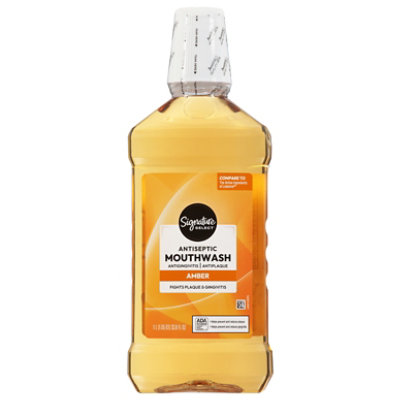
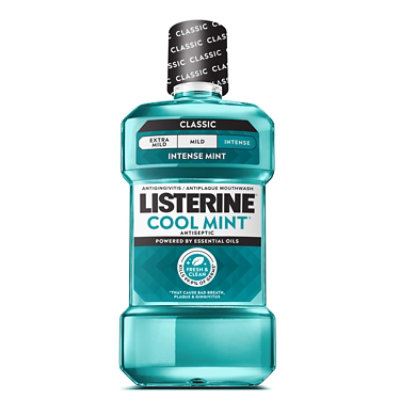
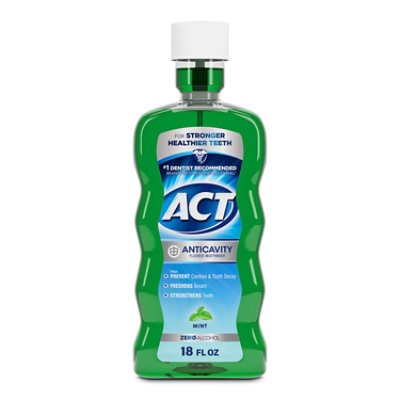

"Antiseptic" on a mouthwash label means the rinse has an active ingredient that kills or reduces the germs in plaque, the film behind gingivitis (early gum inflammation) and bad breath. Store-shelf antiseptic rinses usually use essential oils or cetylpyridinium chloride (CPC), while chlorhexidine gluconate is a prescription-only antiseptic rinse. An anticavity fluoride rinse does a different job: it strengthens tooth enamel to help prevent cavities, and it does not kill plaque germs.
Cosmetic rinses only freshen breath for a while and make no plaque, gum, or cavity claims. Flip the bottle over and check the Drug Facts panel to see the active ingredient and know which kind you have.
Antiseptic vs Anticavity (Fluoride) vs Cosmetic Mouthwash
Most mouthwashes in the aisle fall into three main types: antiseptic, anticavity (fluoride), and cosmetic. Use this table to compare what each rinse does and what to look for on the Drug Facts panel.
Type | What it does | On the label |
|---|---|---|
Antiseptic | Kills plaque germs; best for plaque and gum health | Essential oils or CPC; "antiplaque/antigingivitis" |
Anticavity (fluoride) | Strengthens enamel; best for cavity protection | Sodium fluoride; "anticavity" |
Cosmetic | Freshens breath for a while | No Drug Facts panel |
On a mouthwash bottle, "antiseptic" and "antibacterial" point to the same thing: an active ingredient that kills or reduces the germs behind plaque and gingivitis. Instead of relying on front-label wording, check the Drug Facts panel on the back for an "antiplaque/antigingivitis" use. Look for active ingredients like cetylpyridinium chloride (CPC) or the four essential oils: eucalyptol, menthol, thymol, and methyl salicylate.
Can one rinse do both? Some combine benefits, but the front label can mislead: a "total care" name doesn't promise both gum and cavity protection, and some whitening rinses add fluoride for cavities only. Check the Drug Facts panel to see whether a bottle lists CPC or essential oils for gums, fluoride for cavities, or both.
What about a rinse that just freshens breath? A cosmetic mouthwash masks odor and leaves a clean taste for a while, but it doesn't claim to kill the plaque bacteria behind the odor. If a bottle has no Drug Facts panel at all, it's a breath freshener, not an antiseptic or anticavity rinse.
What an Antiseptic Mouthwash Does: The Active Ingredients
Therapeutic rinses fall under FDA over-the-counter drug rules, which is why an antiseptic rinse carries a Drug Facts panel with an "Active ingredient" line, the same panel you see on a pain reliever. The active ingredient tells you which claim the product is allowed to make. Three ingredient families cover almost everything on the retail shelf, and a fourth is prescription only.
Active ingredient | What the label may claim | Where you see it |
|---|---|---|
Essential oils (eucalyptol, menthol, thymol, methyl salicylate) | Helps reduce plaque and gingivitis | "Antiseptic" rinses, including store brands |
Cetylpyridinium chloride (CPC) | Helps reduce plaque and gingivitis; reduces bad-breath bacteria | Many alcohol-free rinses |
Sodium fluoride | Helps prevent cavities and strengthens enamel | Fluoride or "anticavity" rinses |
Chlorhexidine gluconate | Reduces gingivitis (prescription only) | Not on the retail shelf |
The essential-oil rinses are the classic amber antiseptic mouthwash and its mint-colored versions. Eucalyptol, menthol, thymol, and methyl salicylate are the four oils behind the plaque-and-gingivitis claim. As one Safeway shopper puts it, the store-brand antiseptic "does what it says it will do for your teeth and gums."
Cetylpyridinium chloride, or CPC, is an antibacterial the FDA recognizes for the same plaque-and-gingivitis claim. It's common in alcohol-free rinses because it stays dissolved without alcohol. Studies comparing the two over three to six months generally find both help reduce plaque and gingivitis.
Ingredients Active Ingredients: Eucalyptol (0.092 %), Antigingivitis, Antiplaque; Menthol (0.042 %), Antigingivitis, Antiplaque; Methyl Salicylate (0.060 %), Antigingivitis, Antiplaque; Thymol (0.064 %), Antigingivitis, Antiplaque. Inactive Ingredients: Water, Alcohol 26.9%, Benzoic Acid, Poloxamer 407, Sodium Benzoate, Caramel.
Ingredients Active Ingredients Eucalyptol 0.092%, Menthol 0.042%, Methyl Salicylate 0.060%, Thymol 0.064% Purposes: Antiplaque/antigingivitis Inactive Ingredients Water, Alcohol (21.6%), Sorbitol, Poloxamer 407, Benzoic Acid, Sodium Saccharin, Sodium Benzoate, Flavor, Green 3
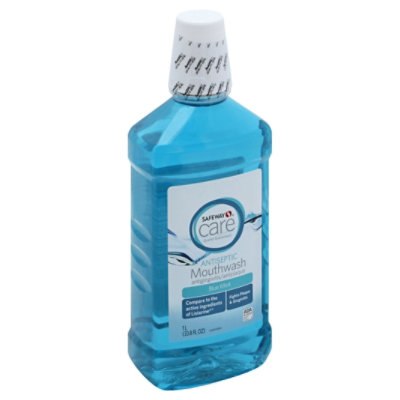
Ingredients Active Ingredients: Eucalyptol (0.092 %), Antigingivitis, Antiplaque; Menthol (0.042 %), Antigingivitis, Antiplaque; Methyl Salicylate (0.060 %), Antigingivitis, Antiplaque; Thymol (0.064 %), Antigingivitis, Antiplaque. Inactive Ingredients: Water, Alcohol 21.6%, Sorbitol, Poloxamer 407, Benzoic Acid, Sodium Saccharin, Sodium Benzoate, Flavor, Green 3.
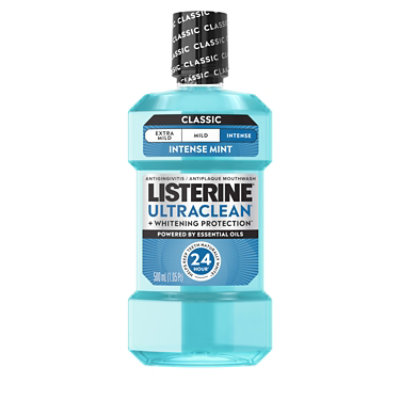
Ingredients Active ingredients: Eucalyptol (0.092%), Menthol (0.042%), Methyl Salicylate (0.060%), Thymol (0.064%) Purposes: Antiplaque/antigingivitis Inactive ingredients: Water, Alcohol (21.6% v/v), Sorbitol, Poloxamer 407, Benzoic Acid, Zinc Chloride, Flavor, Sodium Benzoate, Sucralose, Sodium Saccharin, Green 3
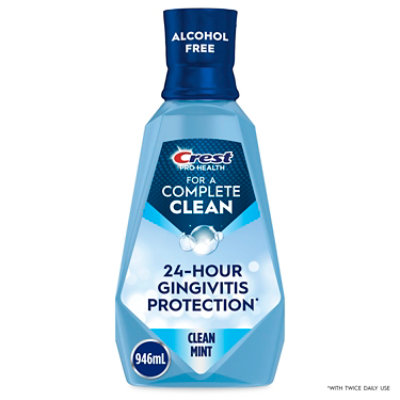
Ingredients Active ingredient: Cetylpyridinium chloride 0.07%Inactive ingredients: Water, glycerin, flavor, poloxamer 407, sodium benzoate, sodium saccharin, sucralose, benzoic acid, blue 1
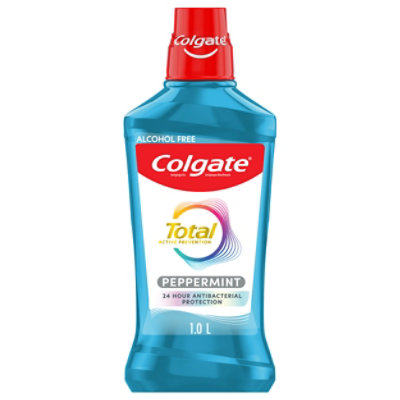
Ingredients Active ingredient(s): Cetylpyridinium Chloride 0.075% Inactive ingredients: Water, Glycerin, Propylene Glycol, Sorbitol, Poloxamer 407, Zinc Lactate, Flavor, Potassium Sorbate, Lactic Acid, Sodium Saccharin, Sucralose, Blue 1.
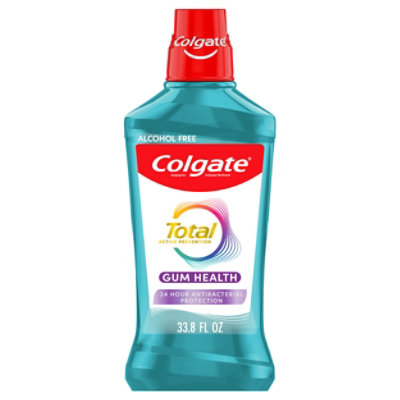
Ingredients Active ingredient(s): Cetylpyridinium Chloride 0.075% Inactive ingredients: Water, Glycerin, Propylene Glycol, Sorbitol, Poloxamer 407, Zinc Lactate, Flavor, Potassium Sorbate, Lactic Acid, Sodium Saccharin, Sucralose, Green 3.

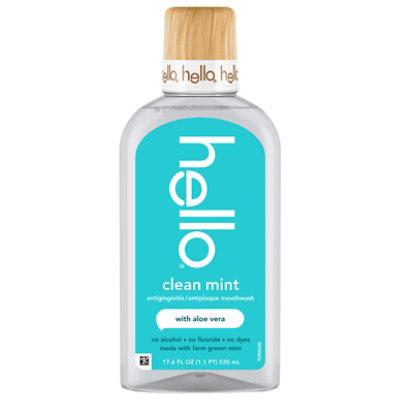
Ingredients Active Ingredients: Cetylpyridinium Chloride (0.075 %), Antigingivitis/Antiplaque. Inactive Ingredients: Water, Glycerin, Aloe Barbadensis Leaf, Polysorbate 80, Xylitol, Erythritol, Poloxamer 407, Flavor, Sodium Benzoate, Cocos Nucifera (Coconut) Oil, Citric Acid, Melaleuca Alternifolia (Tea Tree) Leaf Oil, Rebaudioside A.
Fluoride Rinse: What Anticavity Mouthwash Does
An anticavity fluoride rinse, usually made with sodium fluoride, strengthens tooth enamel and helps prevent cavities. Shoppers reach for a fluoride rinse when their main goal is cavity protection alongside daily brushing and flossing, rather than killing plaque germs to help prevent gingivitis. Many fluoride rinse labels ask you not to eat or drink for a while after rinsing, and you should never swallow mouthwash. Always follow the label for directions on when to rinse and for age guidance for kids.
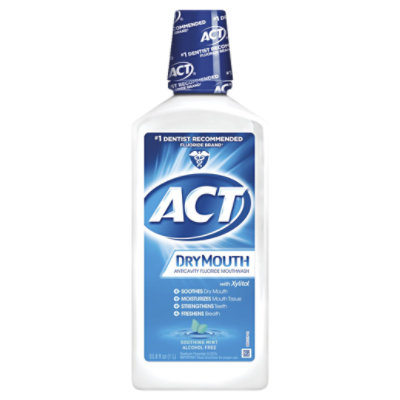
ACT's anticavity rinses (Triple Action, Restoring, Total Care, Whitening, Kids, and Dry Mouth) are sodium fluoride rinses labeled for cavities, not gingivitis. For gum care, pick a rinse whose Drug Facts panel says antigingivitis.
Ingredients Active Ingredients: Sodium Fluoride (0.02% w/v Fluoride Ion) (0.05 %), Anticavity. Inactive Ingredients: Water., Sorbitol, Poloxamer 407, Propylene Glycol, Menthol, Methyl Salicylate, Sodium Phosphate, Disodium Phosphate, Potassium Sorbate, Polysorbate 20, Sodium Saccharin, Flavor, Cetylpyridinium Chloride, Calcium Disodium EDTA, Sodium Benzoate, Green 3, Yellow 5.
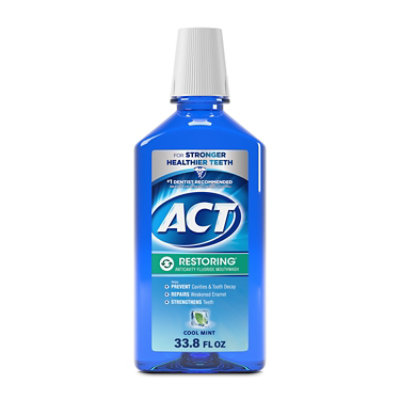
Ingredients Active Ingredients: Sodium Fluoride (0.009% w/v Fluoride Ion) (0.02 %), Anticavity. Inactive Ingredients: Water, Alcohol (11%), Sorbitol Poloxamer 407, Propylene Glycol, Sodium Benzoate, Flavor, Sodium Phosphate, Polysorbate 20, Sodium Saccharin, Cetylpyridinium Chloride, Disodium Phosphate, Calcium Disodium EDTA, Blue 1.

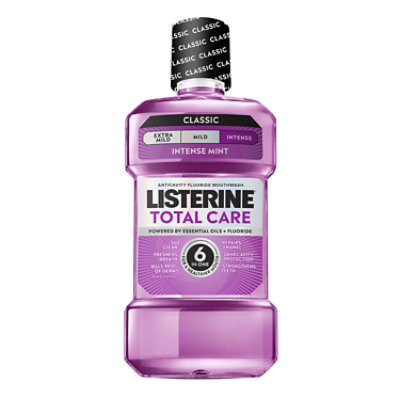
Ingredients Active ingredient: Sodium Fluoride 0.02% (0.01% w/v Fluoride Ion) Purpose: Anticavity Inactive ingredients Water, Alcohol (21.6% v/v), Sorbitol, Poloxamer 407, Eucalyptol, Flavor, Methyl Salicylate, Menthol, Phosphoric Acid, Sodium Saccharin, Thymol, Disodium Phosphate, Sucralose, Red 33, Blue 1

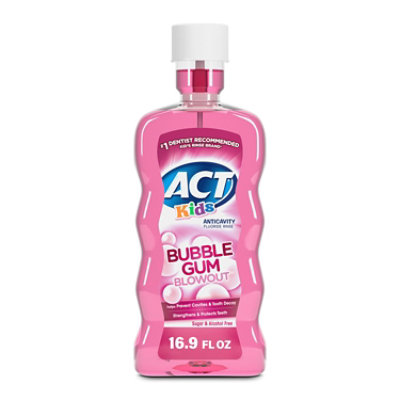
Ingredients Active Ingredients: Sodium Fluoride (0.02% w/v Fluoride Ion) (0.05 %), Anticavity. Inactive Ingredients: Benzyl Alcohol, Calcium Disodium EDTA, Cetylpyridinium Chloride, Disodium Phosphate, Flavor, Poloxamer 407, Polysorbate 80, Propylene Glycol, Red 33, Sodium Benzoate, Sodium Phosphate, Sodium Saccharin, Sorbitol, Water.
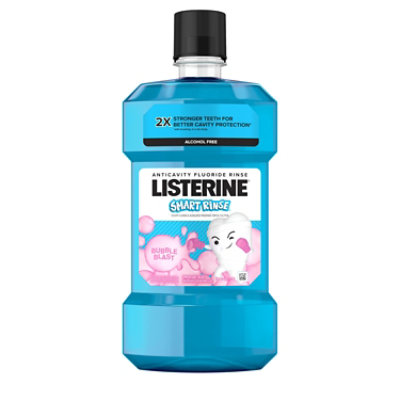
Ingredients Active Ingredients: Sodium Fluoride (0.01% w/v Fluoride Ion) (0.02 %), Anticavity. Inactive Ingredients: Water, Sorbitol, Flavor, Phosphoric Acid, Sucralose, Cetylpyridinium Chloride, Disodium Phosphate, Sodium Saccharin, Menthol, Blue 1, Green 3.
Whitening Mouthwash
Whitening rinses target surface stains on teeth, often with hydrogen peroxide. Results are gradual and modest compared with whitening strips or a dentist's treatment. Some whitening rinses, such as ACT Whitening and Crest 3D White Diamond Strong, also list fluoride to help prevent cavities. Whether a whitening rinse also helps with plaque and gingivitis depends on whether its Drug Facts panel lists an antigingivitis active ingredient like CPC or essential oils.
Ingredients Water, Glycerin, Propylene Glycol, Hydrogen Peroxide, Sodium Hexametaphosphate, Poloxamer 407, Flavor, Sodium Citrate, Sodium Saccharin, Citric Acid, Sucralose
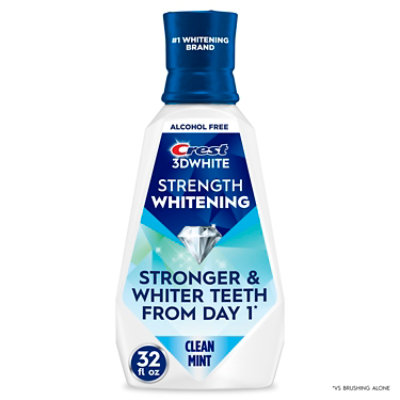
Ingredients Active ingredient: Sodium Fluoride 0.02% (0.01% w/v fluoride ion)Inactive ingredients: water, glycerin, hydrogen peroxide, poloxamer 407, flavor, polysorbate 80, sodium saccharin, sucralose, phosphoric acid, disodium phosphate

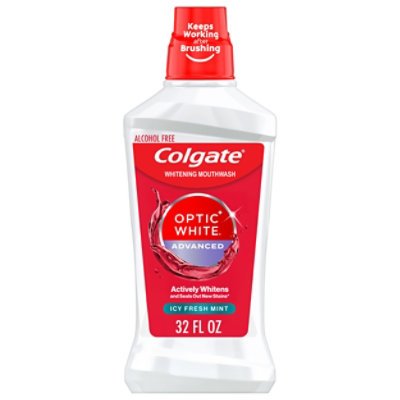
Ingredients Water/Eau, Glycerin, Propylene Glycol, Sorbitol, Sodium Acrylates/Methacryloylethyl Phosphate Copolymer, Hydrogen Peroxide, Polysorbate 20, Phosphoric Acid, Citric Acid, Flavor/Aroma, PVM/MA Copolymer, Sodium Saccharin.


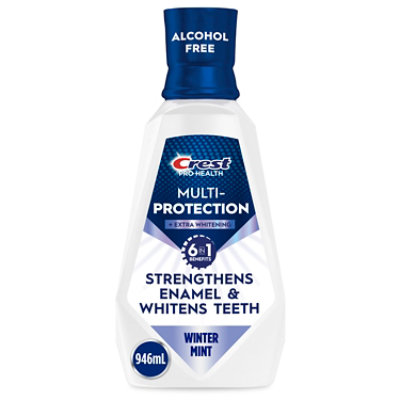
Ingredients Active ingredient: Sodium Fluoride 0.02% (0.01% w/v fluoride ion)Inactive ingredients: water, glycerin, propylene glycol, hydrogen peroxide, poloxamer 407, flavor, sodium saccharin, phosphoric acid, sucralose, disodium phosphate
Alcohol vs. Alcohol-Free
Alcohol in a traditional antiseptic rinse is there as a solvent, keeping the essential oils dissolved. It's also what gives those rinses their sharp burn and can leave your mouth feeling dry. It is not the active ingredient. One reviewer of the store-brand antiseptic summed up the burn: "Does the job. Stings as expected."
Alcohol-free rinses skip the burn and the drying feel. Because the therapeutic claim rides on the active ingredient and not the alcohol, an alcohol-free rinse can carry the same plaque, gingivitis, or cavity claim as an alcohol-based one. Pick by feel and by the active you want. Alcohol doesn't mean stronger.
The alcohol-free shelf also holds rinses for specific needs: dry-mouth formulas with moisturizers, and sensitivity rinses for teeth that react to hot and cold. Check the Drug Facts panel or the label to see what each one is built to do.

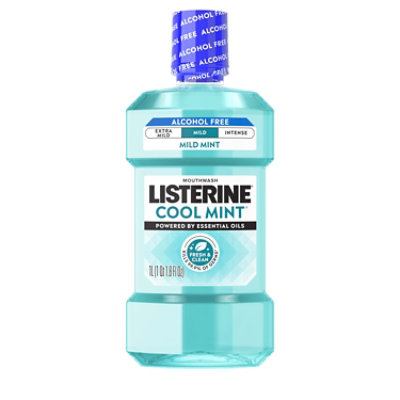
Ingredients Water, Sorbitol, Propylene Glycol, Poloxamer 407, Sodium Lauryl Sulfate, Eucalyptol, Benzoic Acid, Sodium Benzoate, Methyl Salicylate, Thymol, Sodium Saccharin, Menthol, Flavor, Sucralose, Green 3
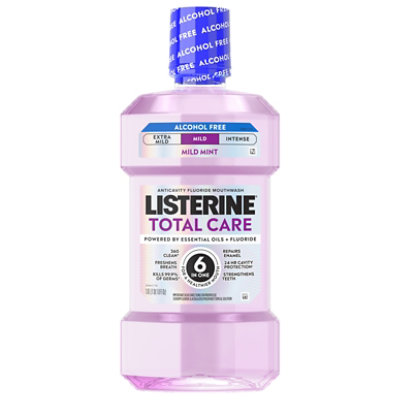
Ingredients Active Ingredients: Sodium Fluoride (0.01% w/v Fluoride lon) (0.02 %), Anticavity. Inactive Ingredients: Water, Sorbitol, Propylene Glycol, Sodium Lauryl Sulfate, Poloxamer 407, Flavor, Sodium Benzoate, Phosphoric Acid, Eucalyptol, Methyl Salicylate, Thymol, Sodium Saccharin, Menthol, Disodium Phosphate, Sucralose, Red 33, Blue 1.
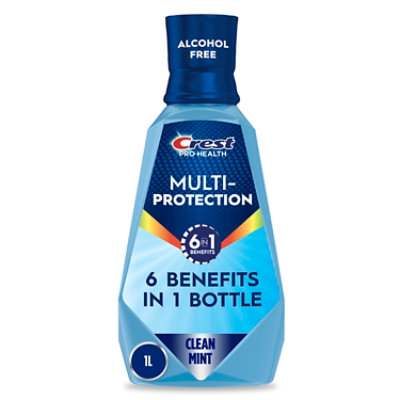
Ingredients Active ingredient: Sodium Fluoride 0.02% (0.01% w/v fluoride ion)Inactive ingredients: water, glycerin, flavor, poloxamer 407, sodium benzoate, phosphoric acid, cetylpyridinium chloride, sodium saccharin, sucralose, benzoic acid, disodium phosphate, blue 1
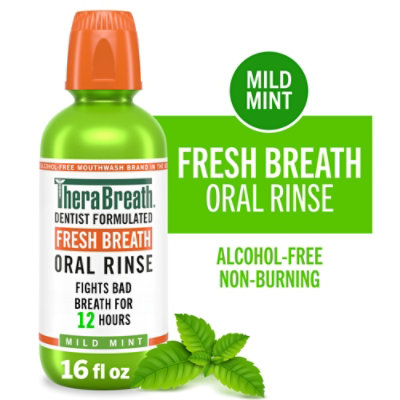
Ingredients Water (Aqua), PEG-40 Hydrogenated Castor Oil, Sodium Chlorite, Tetrasodium EDTA, Sodium Benzoate, Sodium Bicarbonate, Mentha Piperita (Peppermint) Oil, Sodium Hydroxide
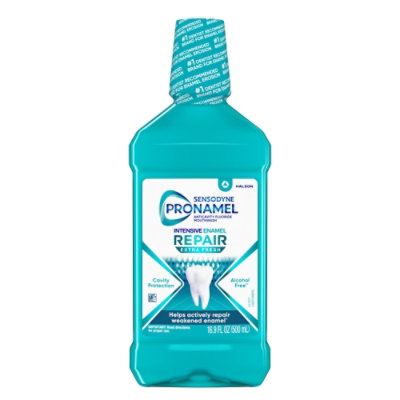


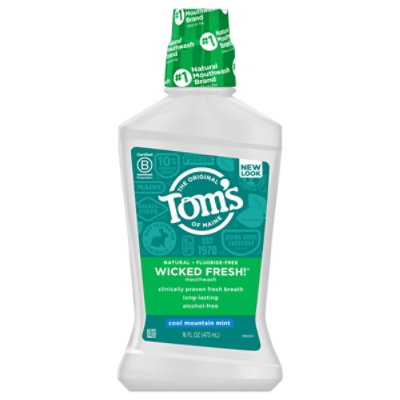
Ingredients Water, Glycerin, Sorbitol, Aloe Barbadensis Leaf Juice (Organic), Propanediol, Xylitol, Natural Flavor, Benzoic Acid, Zinc Citrate, Menthol, Sodium Hydroxide.
What the ADA Seal Tells You
Look for the ADA Seal of Acceptance on the label. It's a voluntary program. A manufacturer sends the ADA its safety and effectiveness data, and the ADA checks that the product does what its label claims before the Seal goes on the box. For a rinse claiming to reduce gingivitis and plaque, the ADA's benchmark is two six-month studies showing a meaningful drop in gum inflammation.
The Seal is a quick way to spot a claim that someone other than the maker has checked, something a cosmetic breath rinse won't have.
A Rinse Doesn't Replace Brushing and Flossing
As the ADA notes, a rinse reaches tooth and gum surfaces to deliver an active ingredient, but it can't physically scrape off plaque the way a brush and floss do. Always spit it out rather than swallowing, and check the label for swishing time and age guidance for children.
Buying Mouthwash at Safeway
Start with the job. If you want plaque and gum control, look for "Antiseptic" and an essential-oil or CPC active. If you want cavity protection, look for a fluoride rinse. If burn bothers you, choose alcohol-free. For any therapeutic claim you care about, look for the ADA Seal.
Safeway's own store brand, Signature Care, sells an essential-oil antiseptic line that carries the ADA Seal and is labeled to help prevent and reduce plaque and gingivitis. It comes in amber, blue mint, and spring mint, in several sizes. Signature Care also makes an alcohol-free oral rinse aimed at bad-breath bacteria. One Signature Care shopper noted, "Safeway products are always comparable to name brand. This mouthwash will not disappoint."
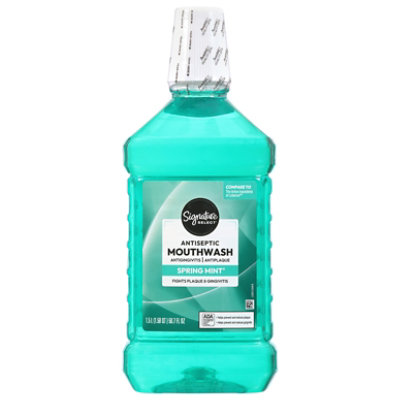
Ingredients Active Ingredients: Eucalyptol (0.092 %), Antigingivitis, Antiplaque; Menthol (0.042 %), Antigingivitis, Antiplaque; Methyl Salicylate (0.060 %), Antigingivitis, Antiplaque; Thymol (0.064 %), Antigingivitis, Antiplaque. Inactive Ingredients: Water, Alcohol 21.6%, Sorbitol, Poloxamer 407, Benzoic Acid, Sodium Saccharin, Flavor, Sodium Citrate, Yellow 10, Green 3.
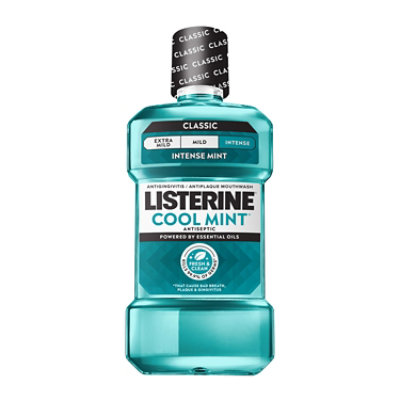
Ingredients Active Eucalyptol 0.092%, Menthol 0.042%, Methyl Salicylate 0.060%, Thymol 0.064%, Purposes: Antiplaque/antigingivitis Inactive Water, Alcohol (21.6% v/v), Sorbitol, Poloxamer 407, Benzoic Acid, Sodium Saccharin, Sodium Benzoate, Flavor, Green 3
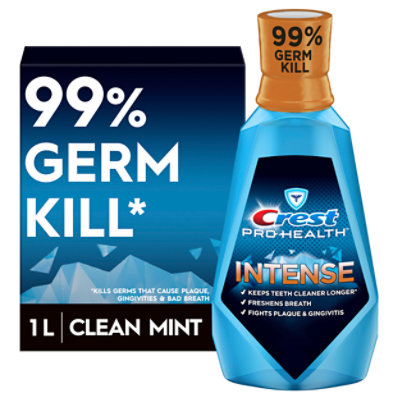
Ingredients Active Ingredients: Cetylpyridinium Chloride 0.05%Inactive Ingredients: Water, Alcohol (15 Wt%), Propylene Glycol, Flavor, Poloxamer 407, Sucralose, Benzoic Acid, Sodium Benzoate, Blue 1, Yellow 6
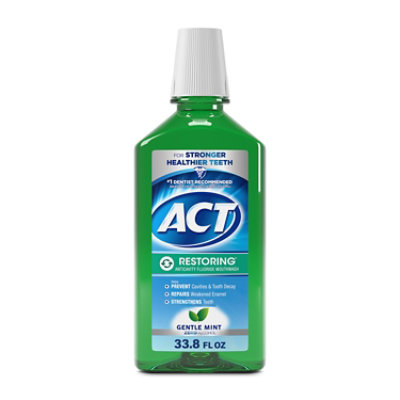
Ingredients Active Ingredients: Sodium Fluoride (0.009% w/v Fluoride Ion) (0.02 %), Anticavity. Inactive Ingredients: Water, Sorbitol, Poloxamer 407, Propylene Glycol, Sodium Phosphate, Polysorbate 20, Sodium Saccharin, Sucralose, Disodium Phosphate, Cetylpyridinium Chloride, Calcium Disodium EDTA, Sodium Benzoate, Potassium Sorbate, Flavor, Yellow 5, Green 3.
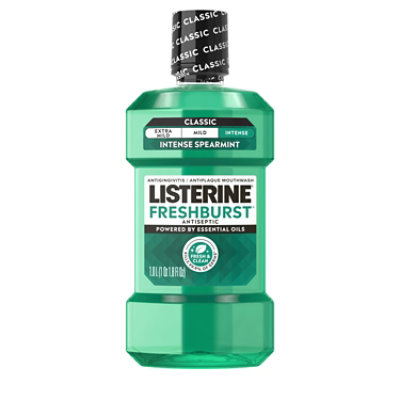
Ingredients Active ingredients: Eucalyptol (0.092%), Menthol (0.042%), Methyl Salicylate (0.060%), Thymol (0.064%) Purposes: Antiplaque/antigingivitis, Inactive ingredients Water, Alcohol (21.6% v/v), Sorbitol, Poloxamer 407, Benzoic Acid, Sodium Saccharin, Flavor, Sodium Benzoate, Yellow 10, Green 3
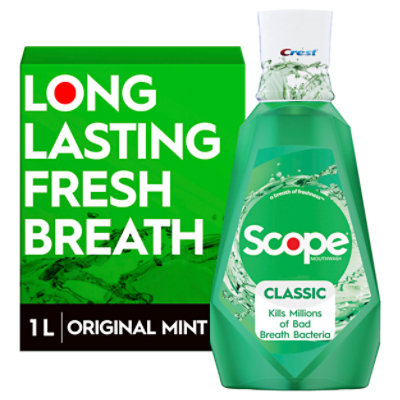
Ingredients WATER, ALCOHOL (14.3 WT%), GLYCERIN, FLAVOR (AROMA), POLYSORBATE 80, SODIUM SACCHARIN, SODIUM BENZOATE, CETYLPYRIDINIUM CHLORIDE, BENZOIC ACID, METHYL SALICYLATE, MENTHOL, CINNAMAL, BLUE 1, YELLOW 5
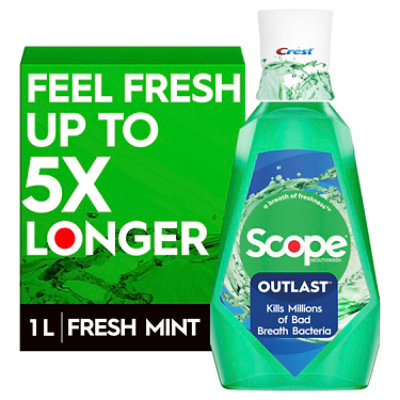
Ingredients WATER, ALCOHOL (12.4 WT%), GLYCERIN, FLAVOR (AROMA), POLYSORBATE 80, SODIUM SACCHARIN, SODIUM BENZOATE, CETYLPYRIDINIUM CHLORIDE, BENZOIC ACID, METHYL SALICYLATE, MENTHOL, MENTHA PIPERITA (PEPPERMINT) OIL, CINNAMAL, BLUE 1, YELLOW 5
Availability and sizes vary by store. Check your Safeway's shelf or the app for what's in stock.
Common Questions
What does antiseptic mean on mouthwash?
It means the mouthwash uses a germ-killing active ingredient to target plaque, the film behind gingivitis and bad breath. Over-the-counter antiseptic rinses use either essential oils (eucalyptol, menthol, thymol, and methyl salicylate) or cetylpyridinium chloride (CPC), while chlorhexidine gluconate needs a prescription.
What does an antiseptic mouthwash do?
An antiseptic mouthwash cuts down on plaque germs to help prevent and reduce plaque and gingivitis, and many formulas also target bad-breath bacteria. Because it is a therapeutic over-the-counter drug, it carries a Drug Facts panel listing its active ingredient and purpose. A rinse adds to daily brushing and flossing, and it does not replace them.
Is antiseptic mouthwash the same as fluoride mouthwash?
No. They have different active ingredients and jobs. Antiseptic rinses kill or reduce plaque germs to help prevent gingivitis, while anticavity fluoride rinses (usually sodium fluoride) strengthen enamel against cavities rather than targeting plaque bacteria.
Antiseptic vs anticavity mouthwash: which should I use?
Go with an antiseptic rinse, like Safeway's ADA-accepted Signature Care essential-oil formula, if plaque and gum health are your priority. Choose an anticavity fluoride rinse if your main goal is cavity protection, and check the Drug Facts panel to confirm what's in the bottle.
Is antiseptic the same as antibacterial mouthwash?
Yes, on a mouthwash label, "antiseptic" and "antibacterial" point to the same thing: a germ-killing active ingredient aimed at plaque and gingivitis. The words that matter most are on the Drug Facts panel on the back of the bottle. Look there for the active ingredient and its use, such as "antiplaque/antigingivitis."
What is a fluoride rinse?
A fluoride rinse is an over-the-counter anticavity mouthwash, usually made with sodium fluoride, that strengthens tooth enamel and helps prevent cavities. It does not kill plaque germs and is not labeled for gingivitis. Many fluoride rinse labels ask you not to eat or drink for a while after rinsing, so follow the label for use and age guidance, and do not swallow mouthwash.
Does ACT mouthwash help with gingivitis?
ACT's anticavity rinses (Triple Action, Restoring, Total Care, Whitening, Kids, and Dry Mouth) are sodium fluoride rinses labeled to help prevent cavities, not gingivitis. Sodium fluoride strengthens enamel rather than killing plaque germs. For gum care, choose a rinse whose Drug Facts panel lists an antigingivitis active ingredient.
Is there a mouthwash for plaque and whitening?
Yes, some rinses do more than one job, so read the Drug Facts panel. Whitening rinses target surface stains, often with hydrogen peroxide, and some, like ACT Whitening and Crest 3D White Diamond Strong, add fluoride for cavities. For plaque and gum help as well, look for CPC or essential oils and an antigingivitis use on the panel.
Is alcohol-free mouthwash as effective?
Alcohol in traditional antiseptic mouthwashes is a solvent, not the germ-killing active ingredient. Alcohol-free rinses, which commonly use cetylpyridinium chloride (CPC), can carry the same antiplaque and antigingivitis claims. Check the Drug Facts panel on the bottle to verify the active ingredient and claims.