


Meal Prep & Batch Cooking Systems: Complete Guide to Weekend Prep & Food Storage
Master meal prep and batch cooking with weekend systems, proper food storage, portion control, and container selection. Save time and money with proven prep strategies and safety guidelines.
Quick reference
| Refrigerated (40°F) | Cooked meats & stews: 3-4 days | Ground meats: 1-2 days | Chopped vegetables: 5-7 days |
|---|---|
| Frozen (0°F) | Cooked meats: 3-6 months | Soups & stews: 2-3 months | Vegetables (blanched): 8-12 months |
| Cooling Guidelines | Divide into containers 2-3 inches deep | Cool within 2 hours | Refrigerate below 40°F |
| Reheating Safety | Heat all foods to 165°F internal temperature | Stir frequently | Use food thermometer |
| Single Compartment | Best for soups, stews, grain bowls, and pasta dishes - GoodCook 4-cup containers |
| Two Compartment | Perfect for protein + starch combinations - GoodCook 3-cup and 1-cup options |
| Three Compartment | Built-in portion control for complete meals - Rubbermaid Take Alongs with dividers |
| Glass vs Plastic | Glass reheats evenly and doesn't absorb odors; plastic is lightweight and freezer-friendly |
| Labeling System | Date all containers, use masking tape and marker, include contents and quantity |
| Sunday: Batch Cook Day | 2-3 hours to cook grains, roast vegetables, prepare proteins, portion meals |
| Wednesday: Mid-Week Refresh | 30 minutes to prep fresh vegetables, check inventory, prepare 2-3 more portions |
| Daily: Grab & Go | 5 minutes to select pre-portioned meals, add fresh elements, heat and serve |
| Cost Savings Strategy | Buy proteins on sale, freeze in meal-sized portions, reduces food waste by 30% |
| Time Investment | 3 hours weekend prep saves 1-2 hours daily during the week (8-14 hours saved) |
| Beginner Success | Start with 3 recipes, prep 6-9 meals total, build skills before expanding |
| Advanced Systems | Prep base ingredients separately, mix and match throughout week for variety |
| Freezer Strategy | Double batch recipes, freeze half for future weeks, create meal rotation system |
Shoppable recipes
Rather start from a proven recipe? These are ready to shop in one click.
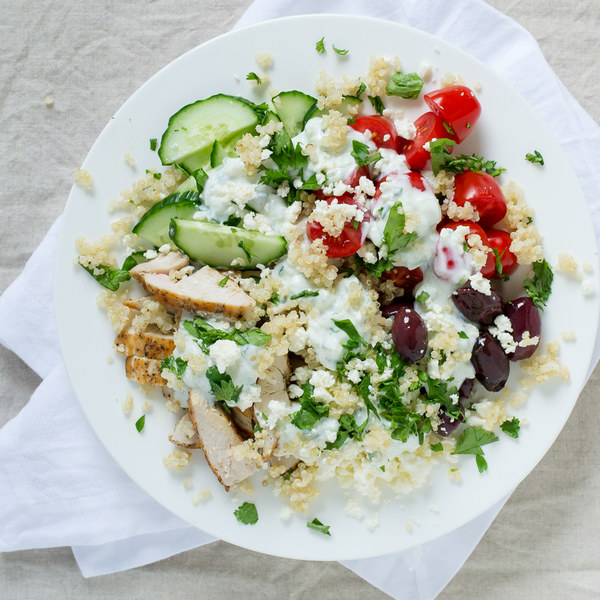
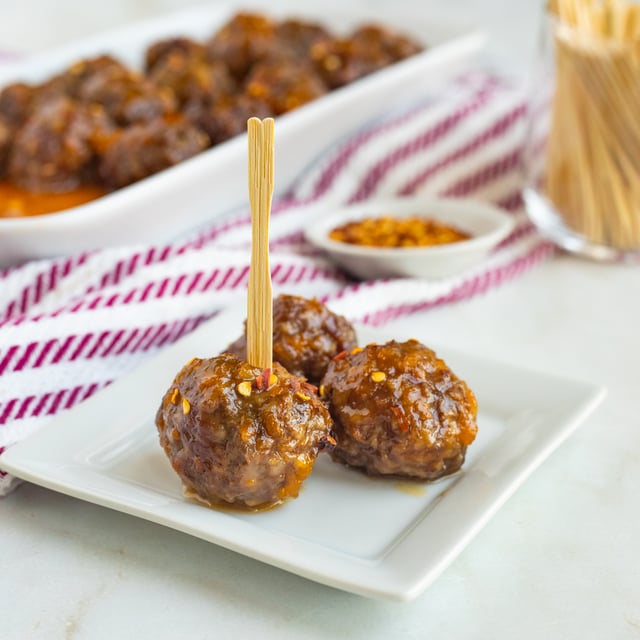
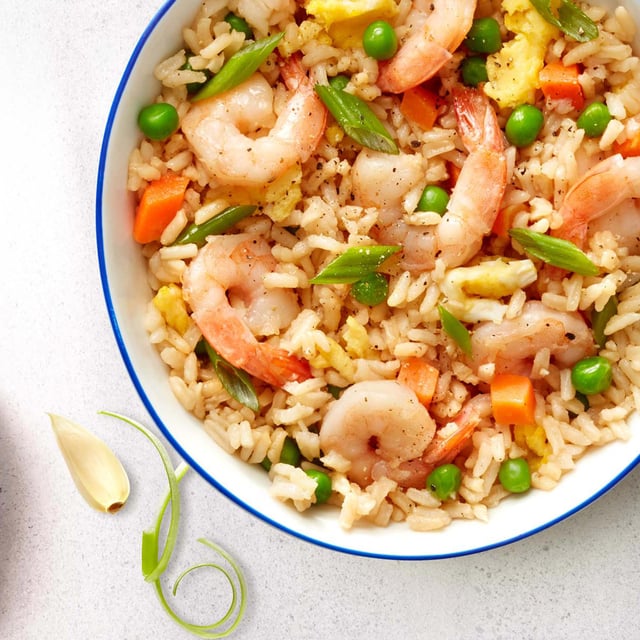
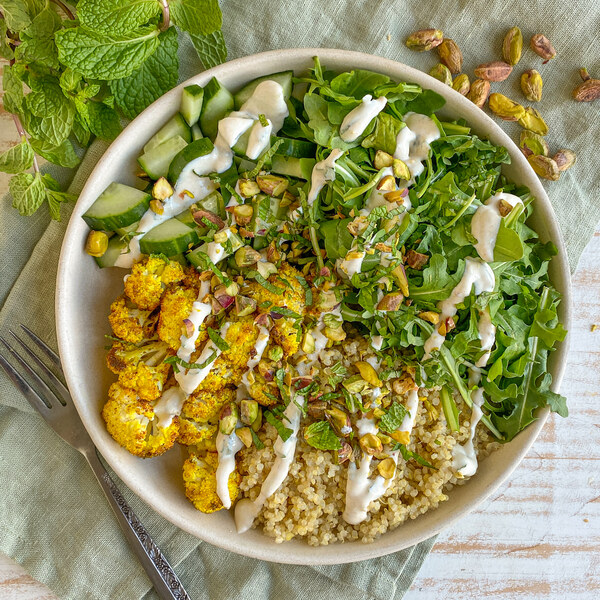
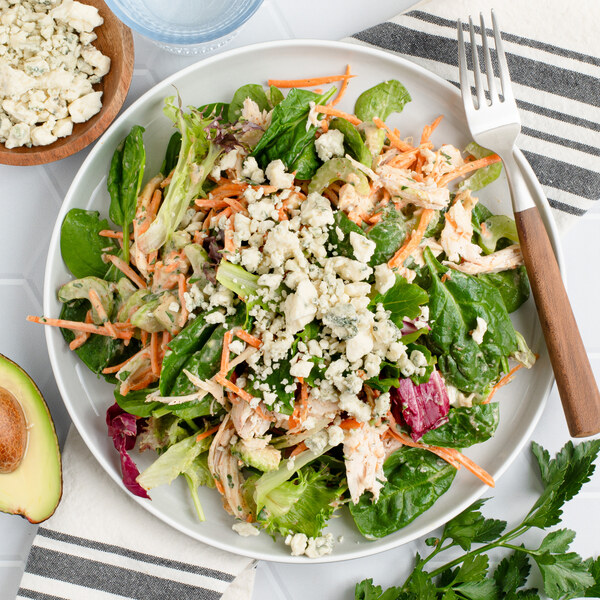
Essential meal prep systems for beginners
Start with the Batch Cooking Formula
Successful meal prep begins with understanding the basic formula: Protein + Starch + Vegetable + Sauce + Storage Container. This system ensures complete, balanced meals that reheat well and maintain quality throughout the week. Choose one protein (chicken breast, ground beef, beans), one starch (rice, pasta, quinoa), and two vegetables (one roasted, one fresh). Prepare everything on Sunday in large batches, then portion into containers for the week. This approach saves 8-14 hours of weekday cooking while ensuring nutritious, home-cooked meals every day.
Pro tip: Start Small Strategy: Begin with 3 recipes making 6-9 meals total. Master the basics before expanding to prevent overwhelm
Master Safe Food Storage Temperatures
Food safety is critical in meal prep success and requires precise temperature control throughout the process. Your refrigerator must stay at 40°F or below, and freezer at 0°F or below. Cool large batches quickly by dividing into shallow containers no more than 2-3 inches deep. Never leave cooked food at room temperature for more than 2 hours (1 hour if above 90°F). Cooked meats and stews last 3-4 days refrigerated, while ground meats only last 1-2 days. When reheating, always heat to 165°F internal temperature and stir frequently for even heating.
Pro tip: Cooling Success: Use an ice bath to quickly cool large pots - place container in sink with ice water around it
Choose the Right Container System
Container selection dramatically impacts meal prep success and food quality retention. GoodCook single-compartment 4-cup containers work perfectly for soups, stews, and grain bowls. Two-compartment containers keep proteins and starches separate while maintaining proper portions. Three-compartment containers with built-in dividers provide automatic portion control and prevent flavor mixing. Glass containers reheat more evenly and don't absorb odors, but plastic containers are lighter and more freezer-friendly. Always choose containers that are microwave-safe, freezer-safe, and dishwasher-safe for maximum convenience.
Pro tip: Labeling System: Use masking tape and permanent marker to label contents, date prepared, and serving quantity
Create Your Weekly Prep Schedule
Establish a consistent weekly rhythm that makes meal prep sustainable and efficient. Sunday becomes your main prep day: spend 2-3 hours batch cooking proteins, grains, and roasted vegetables. Wednesday serves as mid-week refresh time: spend 30 minutes prepping fresh vegetables and checking your meal inventory. Daily, spend just 5 minutes selecting pre-portioned meals and adding fresh elements like herbs or avocado. This schedule reduces weekday cooking to nearly zero while ensuring fresh, varied meals throughout the week.
Pro tip: Efficiency Strategy: Prep while other foods cook - chop vegetables while rice cooks, wash dishes during roasting time
Maximize Cost Savings and Minimize Waste
Meal prep reduces grocery costs by 20-30% through strategic shopping and reduced food waste. Buy proteins when on sale and freeze in meal-sized portions. Purchase vegetables in bulk and prep them immediately to extend freshness. Cook grains and legumes from dried sources rather than buying pre-cooked versions. Plan meals around seasonal produce for better prices and peak flavor. Track what you use and adjust portions to eliminate waste. Properly stored meal prep reduces food spoilage significantly compared to traditional daily cooking approaches.
Pro tip: Bulk Buying Strategy: Buy family packs of meat, divide into meal portions, freeze what you won't use within 2 days
Build Variety with Modular Cooking
Prevent meal prep boredom by cooking base ingredients separately and combining them differently throughout the week. Prepare plain proteins, grains, and vegetables, then create variety with different sauces, seasonings, and fresh additions. Monday's roasted chicken becomes Tuesday's curry with coconut milk and Wednesday's Mexican bowl with salsa and cheese. This modular approach provides the efficiency of batch cooking with the excitement of varied flavors and textures throughout the week.
Pro tip: Sauce Game-Changer: Prep 3-4 different sauces weekly to transform the same base ingredients into completely different meals
Advanced batch cooking and freezer systems
Double-Batch Freezer Strategy
Advanced meal preppers use the double-batch method to create a rotating meal system that prevents repetition while maximizing efficiency. When making any recipe, always prepare double the amount and freeze half in clearly labeled containers. This creates a future meal bank that provides variety weeks later when you've forgotten the exact flavors. Freeze in family-sized or individual portions based on your household needs. Use the first-in, first-out rotation system to ensure nothing gets freezer burn. This method means every cooking session produces both immediate meals and future convenience.
Pro tip: Freezer Organization: Use clear containers and freezer tape labels with large text - contents become hard to identify when frozen
Ingredient Prep vs Complete Meal Strategy
Choose between prepping complete meals or preparing individual components based on your lifestyle and preferences. Complete meal prep involves cooking entire dishes and portioning them into containers - perfect for busy professionals who want grab-and-go convenience. Component prep involves cooking proteins, grains, and vegetables separately, then assembling fresh meals throughout the week - ideal for families with different preferences or those who want maximum variety. Many successful meal preppers use a hybrid approach, preparing some complete meals and some individual components.
Pro tip: Hybrid Success: Prep 60% complete meals for busy days and 40% components for days when you want cooking creativity
Seasonal and Bulk Cooking Systems
Advanced practitioners align meal prep with seasonal produce availability and bulk purchasing opportunities. When vegetables are at peak season and lowest prices, prepare large batches for freezing. Blanch and freeze vegetables like broccoli, green beans, and bell peppers when they're abundant. Take advantage of meat sales by cooking large roasts or whole chickens, then portioning and freezing the cooked meat. This seasonal approach maximizes both flavor and savings while reducing the per-meal preparation time significantly.
Pro tip: Seasonal Strategy: Dedicate one weekend per season to major batch cooking sessions using peak-season ingredients
Family-Scale and Individual Adaptation
Scale meal prep systems effectively whether cooking for one person or a large family. Single-person prep focuses on versatile ingredients that can become multiple different meals - one roasted chicken provides salad protein, soup base, and sandwich filling. Family prep requires larger equipment and strategic container management - invest in family-sized containers and individual-serving containers for different family member schedules. Large families benefit from assembly-line approaches where everyone helps with one aspect of prep, making the process faster and more enjoyable.
Pro tip: Family Involvement: Assign age-appropriate prep tasks to family members - kids can wash vegetables while adults handle knives
Frequently asked questions
How long can I safely store meal prepped food?
Cooked meats and stews last 3-4 days in the refrigerator (40°F or below), while ground meats should be eaten within 1-2 days. In the freezer (0°F), most prepared meals last 2-6 months. Always label containers with dates and contents.
What containers work best for meal prep?
Glass containers reheat evenly and don't absorb odors, while BPA-free plastic containers are lighter and freezer-friendly. Look for compartmented containers for portion control. Safeway carries GoodCook and Rubbermaid options with secure lids.
How do I prevent meal prep from getting boring?
Use modular cooking - prepare base ingredients like proteins and grains, then vary the sauces and seasonings throughout the week. Prep 3-4 different sauces to transform the same ingredients into completely different meals.
Is meal prep actually cheaper than regular cooking?
Yes, meal prep typically reduces grocery costs by 20-30%. You can buy ingredients in bulk when on sale, reduce food waste significantly, and avoid expensive convenience foods and takeout during busy weekdays.
How much time should I spend on weekly meal prep?
Beginners should start with 2-3 hours on Sunday for batch cooking. This time investment saves 1-2 hours daily during the week (8-14 hours total saved). Add a 30-minute mid-week refresh on Wednesday.
Can I meal prep if I don't like leftovers?
Absolutely! Focus on component prep rather than complete meals. Cook proteins, grains, and vegetables separately, then combine them differently each day. This provides meal prep efficiency with fresh-meal variety.
What foods don't work well for meal prep?
Avoid foods with high water content like lettuce, cucumbers, and radishes for long-term storage. Fried foods lose crispness. Instead, add fresh elements like greens and crunchy vegetables when serving prepped meals.
How do I safely cool and store large batches?
Divide large batches into shallow containers no more than 2-3 inches deep for faster cooling. Never leave food at room temperature longer than 2 hours. Use ice baths to speed cooling for large pots.
Should I freeze or refrigerate my prepped meals?
Refrigerate meals you'll eat within 3-4 days, freeze everything else. Most soups, stews, and cooked proteins freeze well for 2-6 months. Avoid freezing foods with high water content or cream-based sauces.
What kitchen equipment makes meal prep easier?
Essential tools include sheet pans for roasting, a slow cooker for hands-off cooking, sharp knives for efficient chopping, and a food scale for consistent portions. Large mixing bowls and measuring cups streamline batch preparation.