


Lunch Box Essentials: Portable & Kid-Friendly School Lunches
Create nutritious, portable lunches that kids will love. From sandwiches and wraps to healthy snacks and make-ahead options, discover lunch box solutions that make school mornings easier.
Quick reference
| Main Protein | Sandwiches, wraps, protein boxes, or leftover mains |
|---|---|
| Fruits & Vegetables | Fresh, dried, or prepped produce for nutrients |
| Dairy or Alternatives | Cheese, yogurt, milk, or plant-based options |
| Whole Grains | Bread, crackers, rice, or grain-based sides |
| Healthy Fats | Nuts, seeds, avocado, or nut butters |
| Bento-Style Boxes | Multiple compartments for variety and portion control |
| Insulated Containers | Keep hot foods hot and cold foods cold |
| Traditional Lunch Bags | Flexible options with ice packs and containers |
| Thermos Systems | Perfect for soups, stews, and warm leftovers |
| Leak-Proof Containers | Essential for liquids, sauces, and messy foods |
| Temperature Control | Use ice packs for perishables, insulated containers for hot foods |
| Prep Timing | Assemble morning of or night before for freshness |
| Safe Ingredients | Avoid mayo-based salads, choose shelf-stable options |
| Clean Containers | Wash thoroughly between uses to prevent contamination |
| Soggy Sandwiches | Use barriers like lettuce, toast bread, pack wet ingredients separately |
| Boring Repetition | Rotate proteins, try different breads, involve kids in planning |
| Untouched Vegetables | Cut attractively, add dips, try different colors and textures |
| Not Enough Food | Pack filling proteins, include satisfying snacks, consider growth spurts |
| Too Much Waste | Start with smaller portions, ask for feedback, adjust based on what returns |
| Morning Rush | Prep ingredients ahead, involve kids in packing, create assembly stations |
Shoppable recipes
Rather start from a proven recipe? These are ready to shop in one click.




Building the perfect lunch box
Start with a Quality Lunch Container
Invest in a good lunch box or bento-style container that fits your child's needs. Look for leak-proof compartments, easy-to-open latches, and appropriate sizing. Insulated options help maintain food temperature and safety. Consider your child's age and dexterity when choosing containers—younger kids need simpler designs.
Pro tip: Size Matters: Choose containers that fit your child's appetite and school lunch period length—too big leads to pressure to finish everything
Master the Sandwich Basics
Great sandwiches start with quality bread—whole grain options provide more nutrition and staying power. Layer strategically with proteins like turkey, ham, or cheese, and add vegetables for crunch and nutrients. Use condiments sparingly and consider alternatives like hummus or avocado spread. Keep ingredients fresh and appealing.
Pro tip: Bread Variety: Rotate between different breads, wraps, and pita to keep lunches interesting and prevent boredom
Include Colorful Fruits and Vegetables
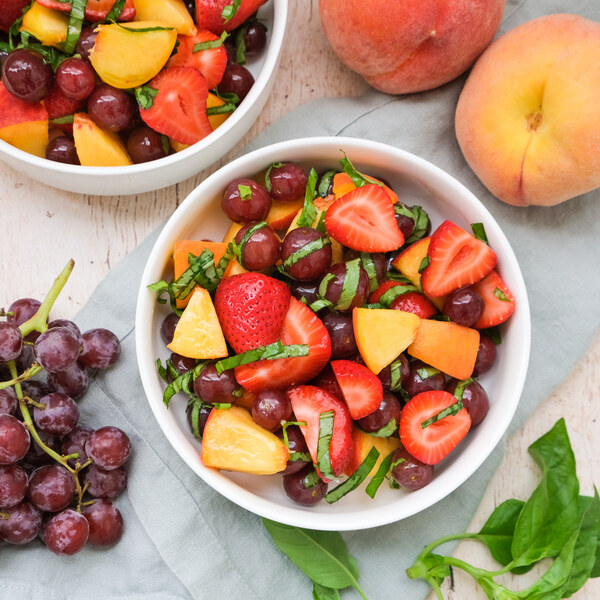
Make produce appealing by cutting into fun shapes, providing small containers of dip, or choosing naturally sweet options. Cherry tomatoes, baby carrots, apple slices, and berries are lunch box favorites. Pre-cut items save morning time and make eating easier for small hands.
Pro tip: Prevent Browning: Toss cut apples and pears with a little lemon juice to keep them fresh and appealing all day
Add Protein Power
Include protein-rich foods to keep kids satisfied and focused. Hard-boiled eggs, cheese cubes, Greek yogurt, or leftover chicken work well. For variety, try different protein sources throughout the week. Nut butters are convenient but check school allergy policies first.
Pro tip: Protein Portions: Aim for 15-20 grams of protein per lunch to support growing bodies and sustained energy
Smart Snack Selection
Choose snacks that complement the main meal and provide sustained energy. Whole grain crackers, trail mix, or homemade energy balls work well. Avoid sugary options that cause energy crashes. Consider snacks that serve double duty, like cheese and crackers that provide protein and carbs.
Pro tip: Portion Control: Use small containers or bags to control portions and prevent overeating before the main meal
Plan for Food Safety
Keep perishable items cold with ice packs and insulated containers. Pack lunches the morning of or night before—no longer. Use separate containers for wet and dry items to prevent sogginess. Teach kids to throw away any uneaten perishable items rather than saving them.
Pro tip: Temperature Check: If food feels warm when your child opens their lunch, it's not safe to eat—invest in better insulation
Creative lunch ideas and meal prep strategies
Theme-Based Lunch Planning
Create excitement with themed lunches like 'Taco Tuesday' with deconstructed tacos, 'Mediterranean Monday' with pita and hummus, or 'Breakfast for Lunch' with pancakes and fruit. Themes help with meal planning and give kids something to look forward to while ensuring variety throughout the week.
Pro tip: Kid Input: Let children help choose themes and contribute ideas—they're more likely to eat lunches they helped plan
Make-Ahead Strategies
Prepare components on weekends to streamline weekday packing. Wash and cut vegetables, cook hard-boiled eggs, portion snacks, and prepare sandwich fillings. Create 'lunch kits' with non-perishable items that kids can grab quickly. Freeze sandwiches for up to a month—they'll thaw by lunchtime.
Pro tip: Batch Cooking: Make large batches of muffins, energy balls, or other homemade snacks to use throughout the week
Leftover Transformations
Turn dinner leftovers into exciting lunch options. Leftover chicken becomes chicken salad or quesadilla filling. Cooked rice transforms into fried rice or grain bowls. Pizza can be eaten cold or reheated in thermos containers. This reduces food waste and saves preparation time.
Pro tip: Thermos Tricks: Preheat thermos containers with hot water before adding warm leftovers to keep food at safe temperatures
Interactive and Fun Presentations
Make lunch more engaging with DIY elements like build-your-own tacos, crackers with separate toppings, or dip-and-eat vegetables. Use cookie cutters for fun shapes, colorful picks for fruit, or write notes on napkins. Small surprises make lunch feel special and increase the likelihood kids will eat everything.
Pro tip: Presentation Power: Kids eat with their eyes first—colorful, varied, and neatly arranged lunches are more appealing
Frequently asked questions
How do I keep sandwiches from getting soggy?
Use a barrier like lettuce leaves between wet ingredients and bread. Toast the bread lightly, pack wet ingredients like tomatoes separately, and use condiments sparingly. Consider wrapping sandwiches in parchment paper instead of plastic.
What are good alternatives to sandwiches?
Try wraps, pita pockets, crackers with cheese and meat, pasta salads, grain bowls, or protein boxes with multiple small items. Leftover pizza, quesadillas, or mini muffins also work well.
How can I make lunch prep faster in the morning?
Prep ingredients on weekends, make sandwiches the night before, pre-portion snacks, and create a lunch-packing station with containers and supplies. Consider making several lunches at once.
What if my child has food allergies?
Focus on naturally allergen-free options, read labels carefully, and communicate with school staff. Consider sunflower seed butter instead of peanut butter, and always have safe backup options available.
How do I get my picky eater to try new lunch foods?
Start with small portions of new items alongside familiar favorites. Let kids help choose and prepare lunches. Try different presentations and don't give up after one rejection—it often takes multiple exposures.
What snacks travel well and provide good nutrition?
Fresh fruit, cheese sticks, nuts or seeds, yogurt, whole grain crackers, hard-boiled eggs, and homemade energy balls. Avoid items that melt, crush easily, or require refrigeration if you don't have an ice pack.