


How to Cook Crab: Complete Guide to Fresh, Frozen & Cooked Crab
Master crab cooking techniques from steaming snow crab to preparing dungeness and king crab. Learn safe handling, perfect timing, and expert preparation methods for fresh, frozen, and pre-cooked crab varieties.
Quick reference
| Fresh Live Dungeness Crab | 18-20 minutes for 1.5-2 lb crabs in boiling water |
|---|---|
| Fresh Live King Crab | 12-15 minutes for legs/claws in steaming water |
| Fresh Live Snow Crab | 8-10 minutes for clusters in steaming water |
| Pre-cooked Crab (Frozen/Fresh) | 3-5 minutes just to heat through |
| Internal Temperature | 145°F internal temperature for food safety |
| Fresh Crab Selection | Choose active live crabs or recently dead with clean ocean smell |
| Storage Guidelines | Cook live crab within 24 hours, keep refrigerated |
| Pre-cooked Handling | Thaw frozen crab in refrigerator, use within 2 days |
| Cooking Water | Use enough salted water to cover crab completely |
| Dungeness Crab (West Coast) | Sweet, delicate meat. Best for crab cakes, salads. Season: Nov-June |
| King Crab (Alaska) | Large, meaty legs. Rich flavor. Best for steaming, butter dipping |
| Snow Crab (Alaska) | Mild, sweet flavor. Tender meat. Great for beginners, easy to crack |
| Blue Crab (East Coast) | Delicate, sweet meat. Traditional for crab boils, soft shell preparation |
| Pre-cooked vs. Live | Pre-cooked: convenient, just reheat. Live: freshest flavor but requires immediate cooking |
| Seasonal Availability Guide | Dungeness: peak Nov-June (West Coast). King: year-round frozen, fresh May-Sept. Snow: peak fall/winter. Blue: peak summer (East Coast) |
| Cost-Saving Tips | Buy whole crabs vs. picked meat. Freeze shells for stock. Choose pre-cooked frozen for convenience. Shop sales during peak seasons |
| Troubleshooting Common Problems | Overcooked = rubbery, tough meat. Undercooked = health risks, gray/brown shells. Use thermometer for 145°F accuracy |
Shoppable recipes
Rather start from a proven recipe? These are ready to shop in one click.
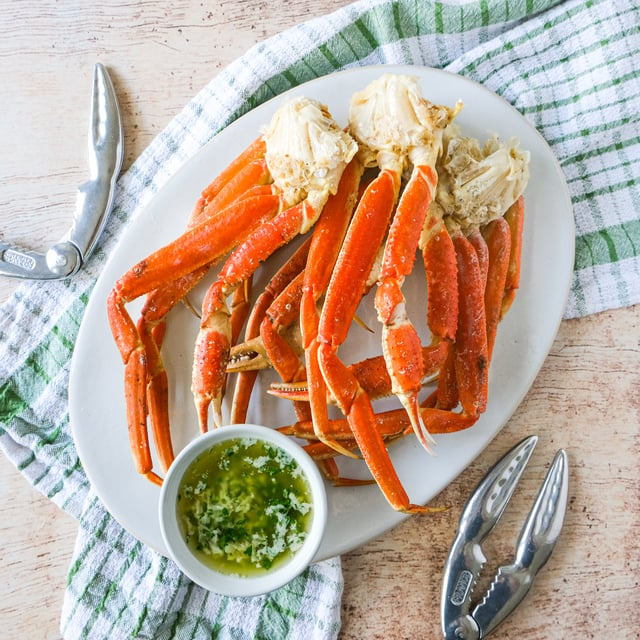
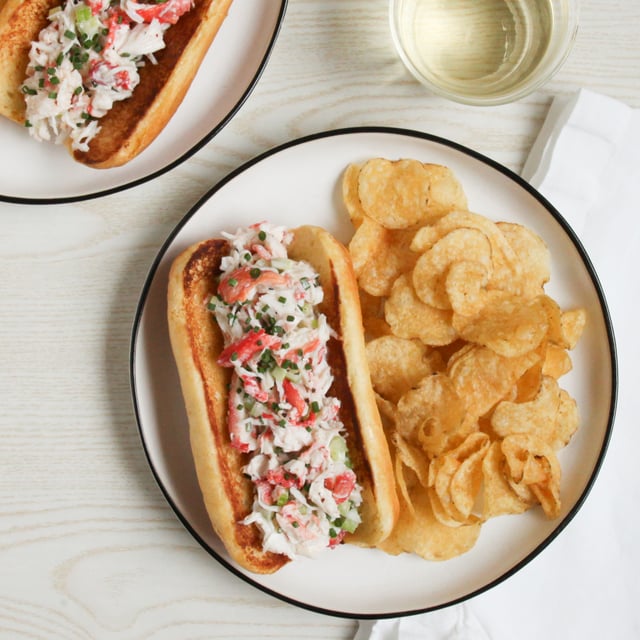
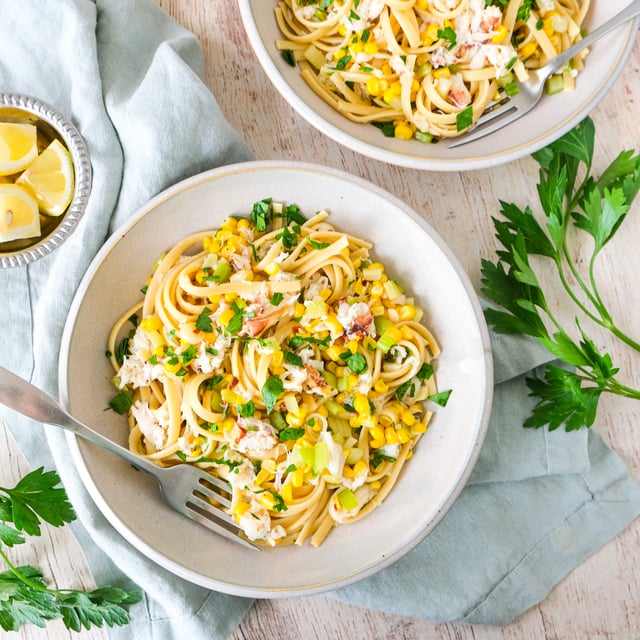
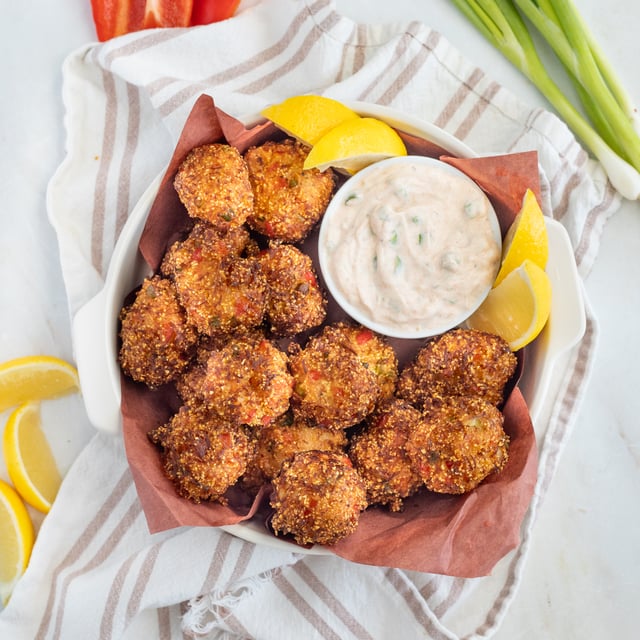
Essential crab cooking techniques & preparation
Choose Your Crab Type
Understanding different crab varieties helps you select the right type for your cooking method and recipe goals. Dungeness crab offers sweet, delicate meat perfect for crab cakes and salads, available fresh from November through June on the West Coast. King crab provides large, meaty legs with rich flavor, ideal for steaming and butter dipping. Snow crab clusters offer mild, sweet, tender meat that's beginner-friendly and easy to crack. Pre-cooked crab (frozen or fresh) provides convenience—already cooked and ready to heat through in 3-5 minutes. Live crab delivers the freshest flavor but requires immediate cooking within 24 hours of purchase.
Pro tip: Freshness First: Choose active live crabs or recently dead with clean ocean smell—avoid any with ammonia odor
Prepare Your Equipment
Proper equipment ensures safe and efficient crab cooking. Use a large stockpot that can hold enough water to completely cover your crab. A steamer basket or insert works well for steaming methods. Heavy-duty tongs help handle hot crab safely. Crab crackers and picks assist with serving, though a hammer and knife work for casual meals. Have melted butter, cocktail sauce, and lemon wedges ready for serving. A meat thermometer ensures food safety—crab should reach 145°F internal temperature.
Pro tip: Size Matters: Use a pot large enough for crab to move freely—cramped cooking leads to uneven results
Prepare the Cooking Water
Proper water preparation is crucial for flavorful, safely cooked crab. Fill your large pot with enough water to completely cover the crab—typically 6-8 quarts for whole crabs. Add 2-3 tablespoons of salt per quart of water to enhance flavor and help proteins set properly. Optional aromatics include bay leaves, lemon halves, celery stalks, onion quarters, and peppercorns. Bring water to a rolling boil before adding crab. For steaming, use 2-3 inches of seasoned water with a steamer insert.
Pro tip: Season the Water: Well-seasoned cooking water infuses flavor throughout the crab meat during cooking
Cook Live Crab Safely
Live crab requires careful handling for food safety and best results. Using tongs, quickly but carefully place live crab into rapidly boiling water head-first to minimize stress. Cover the pot and return to boil as quickly as possible—this may take 2-3 minutes. Once boiling resumes, begin timing: 18-20 minutes for 1.5-2 lb Dungeness crabs, 12-15 minutes for King crab legs/claws, 8-10 minutes for Snow crab clusters. Check internal temperature reaches 145°F for food safety. Remove immediately when done to prevent overcooking.
Pro tip: Safety First: Always verify 145°F internal temperature with thermometer—timing alone may vary with size
Heat Pre-cooked Crab Properly
Pre-cooked crab (frozen or fresh) requires gentle reheating to avoid tough, dry meat. Thaw frozen crab in refrigerator overnight—never at room temperature for food safety. Bring seasoned water to boil, add thawed crab, and cook just 3-5 minutes until heated through to 145°F internal temperature. For steaming, place in steamer basket over boiling water for 4-6 minutes. Don't overcook—pre-cooked crab only needs reheating, not cooking. Remove promptly and serve immediately.
Pro tip: Gentle Reheating: Pre-cooked crab only needs warming—overcooking makes meat tough and dry
Check for Doneness & Serve
Properly cooked crab reaches 145°F internal temperature and has opaque, flaky meat that separates easily from the shell. The shell turns bright orange-red (varies by species). Use a meat thermometer in the thickest part for accuracy. Remove crab from water immediately when done using tongs. Serve hot with melted butter, lemon wedges, and cocktail sauce. Provide crab crackers and picks for easier eating. Crab is best served immediately while hot—unlike other proteins, it doesn't benefit from resting.
Pro tip: Immediate Service: Serve crab immediately after cooking for best texture and temperature—no resting needed
Advanced crab preparation & flavor techniques
Crab Cleaning & Picking Techniques
Master efficient crab cleaning and meat extraction for recipes requiring picked crab meat. For whole cooked crab: remove the triangular apron on the bottom, lift off the top shell, and remove gills and internal organs. Break body in half and use picks to extract meat from chambers. For crab legs: use crackers to break shells at joints, then use picks or knife tip to extract long pieces of meat. King crab legs often yield large chunks perfect for crab rolls. Save shells for making stock—they add rich flavor to soups and bisques.
Pro tip: Save the Shells: Crab shells make excellent stock for soups, risottos, and bisques—freeze shells until ready to use
Traditional Crab Boil Techniques
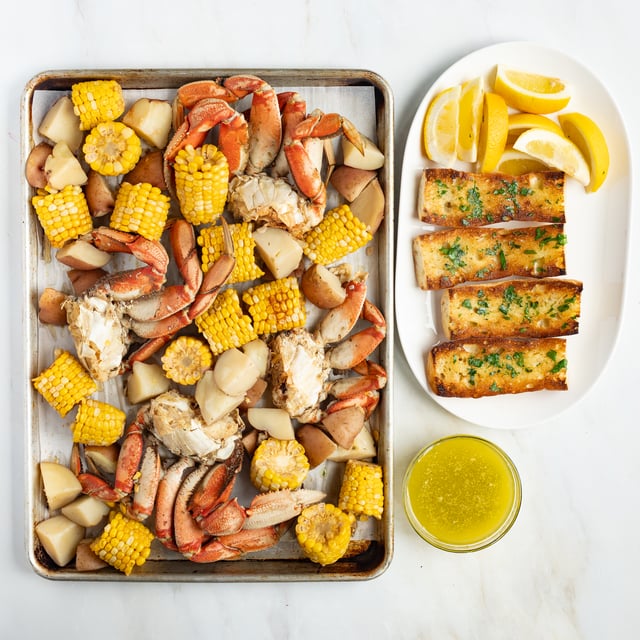
Master the classic Louisiana-style crab boil that feeds crowds and creates memorable gatherings. This communal feast dates back to 1700s Cajun traditions. Use a large stockpot with Old Bay seasoning, cayenne, garlic, and bay leaves for the base broth. Cook ingredients in order: potatoes first (10-12 minutes), then corn and onions (5 minutes), followed by sausage and garlic (2 minutes). Add crab last, turn off heat, cover, and let steam 3 minutes in residual heat. Serve directly on newspaper-covered tables with melted butter, cocktail sauce, and cold beer for the full traditional experience.
Pro tip: Timing is Everything: Cook ingredients by density—hardest vegetables first, delicate seafood last to prevent overcooking
Soft Shell Crab Preparation
Soft shell crabs require special cleaning since the entire crab is edible during their molting phase. Buy live crabs the same day you'll cook them—shells should feel firm, not papery. To clean: cut off the face 1/2 inch behind the eyes with kitchen shears, lift shell edges and remove gills ('devil's fingers') with your fingers, flip and cut off the triangular apron on the bottom. Clean right before cooking. Dredge in seasoned flour (flour, cornmeal, Old Bay) and fry at 350-375°F for 2 minutes per side until golden and coral-colored.
Pro tip: Fresh is Critical: Store live soft shells in warmest part of fridge with damp newspaper—never on ice as it kills them
Flavoring & Seasoning Methods
Enhance crab's natural sweetness with complementary seasonings and cooking liquids. Classic Old Bay seasoning, garlic butter, and fresh herbs like parsley or chives pair beautifully with crab. Wine-based cooking liquids (white wine, dry sherry) add depth without masking crab's delicate flavor. Citrus (lemon, lime) brightens rich crab meat. For Asian-inspired preparations, try ginger, scallions, and soy sauce. Spicy additions like cayenne, paprika, or hot sauce work well in crab boils. Always taste and adjust seasoning after cooking—crab's natural salinity varies.
Pro tip: Balance is Key: Crab's delicate sweetness is easily overwhelmed—start with light seasoning and build flavor gradually
Frequently asked questions
How do you know when crab is fully cooked?
Properly cooked crab reaches 145°F internal temperature, has bright orange-red shells, and opaque white/pinkish meat that flakes easily from the shell. Use a meat thermometer for accuracy—visual cues alone aren't sufficient for food safety.
What happens if you overcook crab?
Overcooked crab becomes tough, rubbery, and dry with a yellowish, mushy texture. The meat will resist removal from shells and taste slightly fishy. Unlike undercooking, you cannot salvage overcooked crab.
Can you eat the whole soft shell crab?
Yes, during the molting phase the entire soft shell crab is edible, including the shell. However, you must clean it first by removing the face, gills, and apron before cooking.
How long do you boil live crab?
Cooking times vary by size and type: Dungeness (1.5-2 lbs) need 18-20 minutes, King crab legs 12-15 minutes, Snow crab clusters 8-10 minutes. Always verify 145°F internal temperature.
Why is my crab meat mushy?
Mushy crab meat typically results from overcooking or using crab that died before cooking. Always buy live crab or properly frozen pre-cooked varieties, and cook just until 145°F internal temperature.
What's the difference between steaming and boiling crab?
Steaming is gentler and helps prevent overcooking, resulting in more tender meat. Boiling can infuse more flavor through seasoned water but requires careful timing to avoid tough, overcooked meat.