


Fish & Seafood Mastery: Complete Guide to Easy Fish Cooking Techniques
Master fish and seafood cooking with foolproof techniques for salmon, cod, tilapia, and shrimp. Learn baking, pan-frying, and grilling methods with timing guides and temperature tips for perfect results every time.
Quick reference
| Salmon Fillets (6 oz) | 12-15 minutes at 400°F baking, 4-6 minutes per side pan-frying |
|---|---|
| Cod Fillets (6 oz) | 10-12 minutes at 425°F baking, 3-4 minutes per side pan-frying |
| Tilapia Fillets (4 oz) | 8-10 minutes at 400°F baking, 2-3 minutes per side pan-frying |
| Shrimp (medium) | 2-3 minutes per side pan-frying, pink and opaque when done |
| Internal Temperature | 145°F for all fish and seafood, measured at thickest part with thermometer |
| Visual Cues | Fish flakes easily with fork, flesh is opaque throughout, no translucent areas |
| Texture Check | Properly cooked fish feels firm but not hard, springs back when pressed lightly |
| Color Changes | Raw translucent flesh turns opaque white/pink, shrimp turns bright pink |
| Timing Rule | 10 minutes per inch of thickness at 450°F, adjust time for different temperatures |
| Fresh Fish Signs | Clear eyes, bright red gills, firm flesh that springs back, mild ocean smell |
| Frozen Fish Benefits | Flash-frozen at sea preserves quality, convenient portioning, longer storage |
| Best Beginner Fish | Salmon (forgiving, rich flavor), tilapia (mild, quick cooking), cod (versatile, flaky) |
| Thawing Method | Refrigerator overnight for best texture, cold water bath for quick thawing |
| Storage Guidelines | Fresh fish: 1-2 days refrigerated. Frozen fish: 3-8 months. Cook within 24 hours of thawing |
| Pre-Seasoned Shortcuts | Safeway's seasoned fish saves prep time, consistent flavoring, perfect for beginners |
| Portion Sizes | 4-6 oz per person for fillets, 8-12 oz for whole fish, 6-8 oz for steaks |
| Budget Tips | Frozen fish costs less, tilapia and cod are economical, buy sales in bulk and freeze |
Shoppable recipes
Rather start from a proven recipe? These are ready to shop in one click.

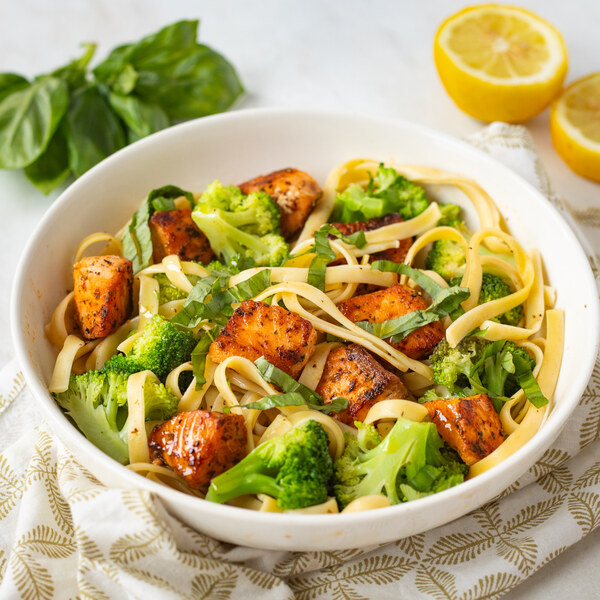
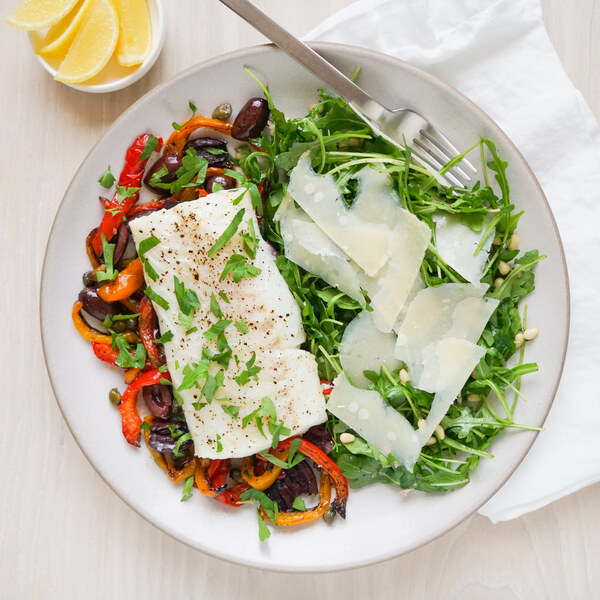
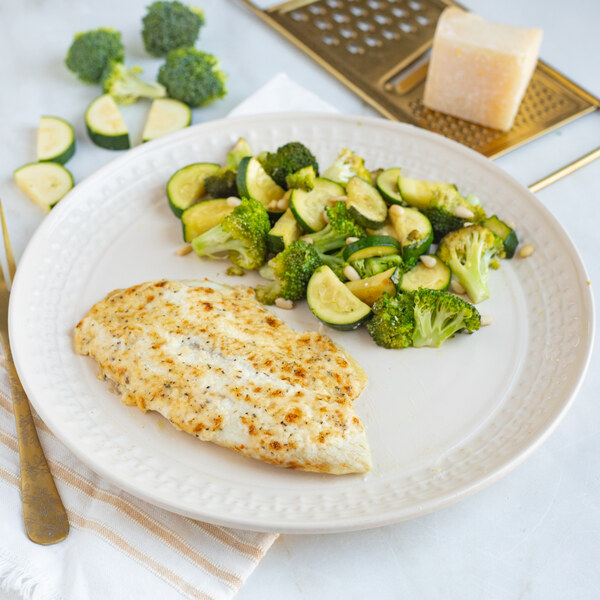
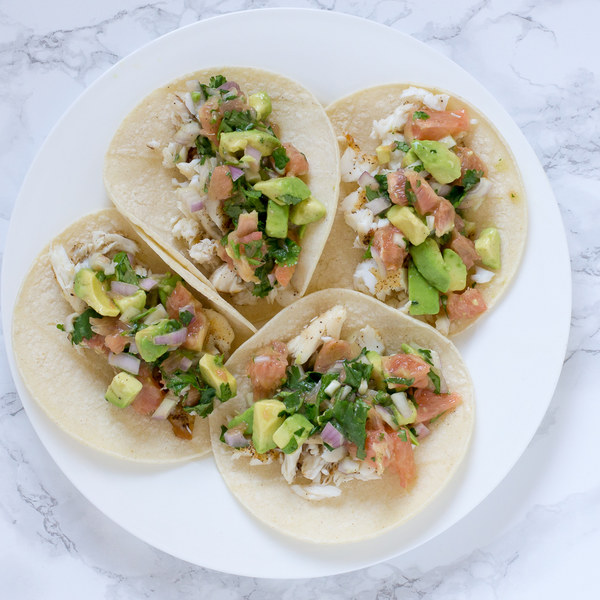
Essential fish cooking techniques for perfect results
Master Baking Fish (Foolproof Method)
Baking fish in the oven is the most beginner-friendly technique that delivers consistent results every time. Preheat oven to 400-425°F depending on thickness. Pat fish dry and season with salt, pepper, and your favorite herbs or use Safeway's pre-seasoned options. Place on parchment-lined baking sheet or lightly oiled baking dish. Bake 10 minutes per inch of thickness—thin tilapia needs 8-10 minutes, thick salmon fillets need 12-15 minutes. Fish is done when it flakes easily with a fork and reaches 145°F internal temperature. This hands-off method prevents overcooking and allows you to prepare sides simultaneously.
Pro tip: Parchment Paper Trick: Line baking sheet with parchment for easy cleanup and prevents sticking without added oil
Perfect Pan-Frying Technique
Pan-frying creates beautiful golden crust while keeping fish moist inside. Heat 1-2 tablespoons oil in non-stick or stainless steel pan over medium-high heat until shimmering. Pat fish completely dry—this is crucial for good browning. Season both sides and gently place in hot pan, presentation side down first. Don't move fish for 2-4 minutes depending on thickness, letting it develop golden crust. Flip once when edges are opaque and fish releases easily from pan. Cook another 2-3 minutes until flakes easily. Thin tilapia cooks fast (2-3 minutes per side), while thicker salmon needs 4-6 minutes per side.
Pro tip: No Peeking Rule: Resist urge to flip too early—fish releases naturally when properly seared and ready to turn
Grilling Fish Like a Pro
Grilling adds smoky flavor but requires attention to prevent sticking and breaking. Choose firm fish like salmon, cod, or swordfish that won't fall apart. Clean and oil grill grates well, then heat to medium-high. Pat fish dry and brush lightly with oil. For fillets, start skin-side up and grill 4-6 minutes before flipping once. Fish is done when it flakes easily and has nice grill marks. Delicate fish can be grilled in foil packets with vegetables and seasonings—this steams fish gently while infusing flavors. Cedar planks (like Safeway's cedar plank salmon) add aromatic wood flavor and prevent sticking.
Pro tip: Foil Packet Method: Use heavy-duty foil for delicate fish—seal tightly to create steam and prevent drying out
Timing and Temperature Mastery
Perfect fish cooking relies on understanding timing and temperature relationships rather than rigid recipes. The 10-minute rule works for most methods: cook 10 minutes per inch of thickness at 450°F, adjusting for different temperatures. Thicker fish needs longer cooking, thinner fish cooks quickly. Use instant-read thermometer for accuracy—145°F at thickest part ensures food safety without overcooking. Visual cues are equally important: fish turns from translucent to opaque, flakes easily when touched with fork, and flesh feels firm but not hard. Pre-seasoned fish from Safeway often cooks slightly faster due to marinades, so check doneness 1-2 minutes early.
Pro tip: Thermometer Placement: Insert thermometer horizontally into thickest part of fish for accurate temperature reading
Flavor Building and Seasoning
Fish's mild flavor makes it perfect for various seasonings and cooking styles. Simple salt, pepper, and lemon enhance natural taste without masking it. Mediterranean flavors work beautifully: olive oil, garlic, herbs, capers, and tomatoes. Asian-inspired preparations use ginger, soy sauce, sesame oil, and green onions. For convenience, Safeway's pre-seasoned fish eliminates guesswork while delivering restaurant-quality flavors. Build layers by seasoning fish 15-30 minutes before cooking, adding aromatics like garlic to cooking oil, and finishing with fresh herbs, lemon juice, or compound butter. Sauces should complement, not overpower—think light vinaigrettes, herb butters, or simple pan sauces made from cooking juices.
Pro tip: Salt Timing: Salt fish 15-30 minutes before cooking to enhance flavor and improve texture
Troubleshooting Common Problems
Most fish cooking problems stem from overcooking, underseasoning, or improper preparation. Dry fish results from cooking too long or at too high temperature—fish continues cooking from residual heat, so remove slightly before fully done. Fishy taste comes from old fish or not patting dry before cooking—fresh fish should smell like clean ocean, not 'fishy.' Fish sticking to pan means insufficient oil, pan not hot enough, or flipping too early. Mushy texture indicates overcooked fish or fish that was frozen and thawed improperly. Uneven cooking happens when fillets vary in thickness—fold thin tail ends under for uniform cooking or cut into portion sizes. Practice with forgiving fish like salmon before attempting delicate varieties.
Pro tip: Carryover Cooking: Remove fish from heat when slightly underdone—residual heat finishes cooking perfectly
Advanced fish techniques and flavor combinations
Poaching for Delicate Results
Poaching gently cooks fish in flavored liquid, producing incredibly moist, delicate results perfect for salads or elegant dinners. Create poaching liquid using water, white wine, lemon juice, herbs, and aromatics like bay leaves, peppercorns, and onion slices. Bring liquid to gentle simmer in wide, shallow pan—vigorous boiling toughens fish. Submerge fish completely and maintain barely simmering temperature. Thin fillets need 3-5 minutes, thicker pieces need 6-8 minutes. Fish is done when opaque throughout and flakes easily. Poaching liquid can be reduced and turned into sauce, or strain and save for future use. This technique works especially well for salmon, cod, and halibut.
Pro tip: Court Bouillon: Make aromatic poaching liquid with wine, lemon, herbs, and vegetables for extra flavor
En Papillote (Parchment Packets)
Cooking fish en papillote (in parchment paper) steams fish in its own juices while infusing flavors from accompanying ingredients. Cut large heart-shaped parchment pieces, brush with oil, and place seasoned fish on one half. Add vegetables, herbs, citrus, and small amount of liquid (wine, broth, or butter). Fold parchment over and seal edges tightly by folding and crimping. Place packets on baking sheet and bake at 400°F for 12-15 minutes depending on fish thickness. Packets puff dramatically and can be served individually for impressive presentation. This technique keeps fish incredibly moist while building complex flavors. Try salmon with asparagus and lemon, or cod with tomatoes and herbs.
Pro tip: Sealing Technique: Crimp parchment edges tightly—loose seals allow steam to escape and dry out fish
Fish Stock and Leftover Magic
Don't waste fish bones, heads, and trimmings—they make excellent stock for soups and sauces. Combine fish bones with aromatic vegetables (onion, celery, carrots), herbs, and white wine. Simmer gently 30-45 minutes, strain, and use immediately or freeze for later. Leftover cooked fish transforms into fish cakes, salads, pasta dishes, or sandwich fillings. Flake cooked fish and mix with mayonnaise, herbs, and seasonings for quick fish salad. Add to scrambled eggs, pasta, or grain bowls for protein boost. Fish bones and scraps can also be composted, making this an environmentally conscious protein choice when you use all parts.
Pro tip: Stock Storage: Freeze fish stock in ice cube trays for convenient small portions in recipes
International Fish Preparations
Expand your repertoire with global fish cooking techniques that highlight different flavors and methods. Mediterranean style emphasizes olive oil, tomatoes, herbs, and citrus—try whole fish stuffed with lemon and herbs. Asian preparations use high-heat cooking with ginger, garlic, soy sauce, and sesame oil for quick stir-fries or steamed fish. Latin American ceviche 'cooks' fish in citric acid without heat—perfect for hot weather. Indian fish curries use aromatic spices and coconut milk for rich, warming dishes. French techniques like meunière (dredged in flour and pan-fried with brown butter) create elegant restaurant-style presentations. Each cuisine offers unique approaches to highlighting fish's versatility.
Pro tip: Spice Blends: Keep international spice blends on hand to instantly transform simple fish into global cuisine
Frequently asked questions
How can I tell when fish is cooked without a thermometer?
Look for fish that flakes easily when tested with a fork, flesh that's opaque throughout with no translucent areas, and firm texture that springs back when pressed. The fish should feel firm but not hard, and any juices should run clear.
Why does my fish always turn out dry?
Dry fish usually results from overcooking. Fish continues cooking from residual heat, so remove it just before it's fully done. Use lower temperatures (375-400°F) and shorter cooking times. Don't cook past 145°F internal temperature.
What's the best fish for beginners to cook?
Salmon is very forgiving due to its higher fat content and rich flavor. Tilapia cooks quickly and has mild taste. Cod is versatile and flakes beautifully. Pre-seasoned fish from Safeway eliminates seasoning guesswork for beginners.
How do I prevent fish from sticking to the pan?
Use adequate oil or butter, ensure pan is properly heated before adding fish, and don't flip too early. Fish releases naturally when the crust is formed. Non-stick pans work well for delicate fish.
Can I cook frozen fish without thawing?
Yes, but add 5-10 minutes to cooking time and the texture may be slightly different. For best results, thaw fish overnight in refrigerator or use cold water bath for quicker thawing.
How do I remove the fishy smell from my kitchen?
Cook fish at moderate temperatures, ensure good ventilation, and clean up immediately. Pat fish dry before cooking and buy fresh fish from reputable sources. Lemon juice and baking soda help neutralize odors.
What's the difference between wild and farmed fish?
Wild fish typically has firmer texture and more intense flavor but can be more expensive and less consistent. Farmed fish is more affordable, consistent, and widely available. Both can be delicious when cooked properly.
Is it safe to eat fish slightly undercooked?
For food safety, the FDA recommends 145°F internal temperature. However, many chefs serve salmon at 120-125°F for optimal texture. Use high-quality, sushi-grade fish from reputable sources if you prefer less-cooked fish.
Can I substitute one type of fish for another in recipes?
Yes, but consider thickness and flavor. Mild fish (cod, tilapia, halibut) are interchangeable. Rich fish (salmon, tuna) work similarly. Adjust cooking times for thickness differences—thicker fish needs more time.
How long can I store cooked fish?
Cooked fish keeps 3-4 days refrigerated in airtight containers. Reheat gently to 145°F, adding a splash of liquid if needed. Leftover fish works great in salads, pasta dishes, or fish cakes.