Bestsellers for Hot Sauce


The fiery sensation of hot sauce comes from capsaicin and related compounds called capsaicinoids, which bind to heat receptors on nerve endings in the mouth. The New Mexico State University Chile Pepper Institute explains that these compounds trigger these heat receptors and send pain signals to the brain. Your tongue feels heat, but it is not actually burning.
Where heat is stored inside the pepper often surprises people. The institute states capsaicin production occurs in the placenta, the white inner tissue that holds the seeds, rather than in the seeds. Seeds pick up surface capsaicin from that tissue but do not make it themselves. If you scrape away the white pith of a fresh pepper in your kitchen, you remove the source of the heat. The seeds simply carry whatever oils rubbed off on them.
Scoville Heat Units measure how far a pepper sample can be diluted before a tasting panel stops detecting heat, though laboratories now use an instrument for a more objective reading. That transition from human palates to laboratory measurement has changed how the food industry evaluates spiciness.
What a Scoville number tells you
New Mexico State University describes the original Scoville test as a series of samples diluted until people can no longer taste the heat, with one unit of dilution counted as one Scoville Heat Unit. Tasters sampled sugar water mixed with exact dilutions of pepper extract. If an extract required 5,000 dilutions before tasters stopped detecting warmth, it scored 5,000 Scoville Heat Units.
Human palates vary, and palate fatigue can set in after a few sips of the spicy extract. The university therefore calls high-performance liquid chromatography the most accurate current method because it separates and measures the chemicals responsible for heat.
The New Mexico State University Chile Pepper Institute explains that high-performance liquid chromatography (HPLC) measures capsaicinoids in parts per million, and multiplying that figure by 16 gives Scoville Heat Units. This multiplication factor allows the chemical concentration to be connected directly to the established scale. If an instrument measures 500 parts per million of capsaicinoids in a pepper sample, multiplying 500 by 16 gives 8,000 Scoville Heat Units. If a sample shows roughly 156 parts per million, multiplying by 16 gives approximately 2,500 SHU.
These numbers can vary between the same type of peppers. NMSU lists jalapeños at 2,500 to 8,000 SHU, cayenne peppers at 30,000 to 50,000 SHU and habaneros at 100,000 to 350,000 SHU. A standard cayenne delivers roughly ten times the heat of a mild jalapeño, while a habanero can push heat forty to seventy times higher.
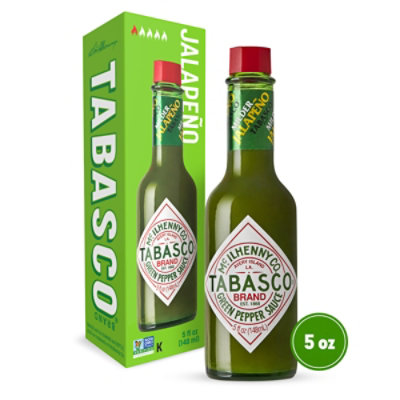
Some hot sauce makers publish specific Scoville Heat Units, while others do not. Tabasco gives Original Red a range of 2,500 to 5,000 Scoville Heat Units, while Cholula puts Original at 1,000 to 2,000. This puts Tabasco in the range of an entry-level jalapeño, while Cholula sits just below it. Frank's labels its Original sauce "medium," and Huy Fong calls its sriracha "hot," but neither maker publishes a Scoville number.
In the grocery store aisle, you will rarely see exact numbers on front labels. You have to rely on the ingredient list and the maker's heat descriptions.
Vinegar-forward hot sauces and buffalo sauce
Louisiana-style sauce starts with aged cayenne pepper and vinegar. This pairing produces a bright, pourable sauce that cuts cleanly through rich food. The Signature SELECT label reads "Aged Red Cayenne Peppers, Distilled Vinegar, Salt, Xanthan Gum." Tabasco uses distilled vinegar, red pepper and salt.
McIlhenny Company says its pepper mash is aged in white oak barrels for up to three years, with a layer of salt on top, before it is blended with distilled vinegar. The company says its pepper mash ages in white oak barrels for up to three years before bottling, so the ingredient list is simple even though production takes time.
Under FDA regulations for acidified foods (21 CFR Part 114), shelf-stable sauces must reach an equilibrium pH of 4.6 or below to prevent Clostridium botulinum growth. Equilibrium pH means the vinegar's acid has fully permeated every pepper particle, establishing a uniform acidic environment that stops bacterial spores from germinating.
On nutrition labels, Tabasco Original lists 35 mg of sodium per teaspoon (2% daily value), while the Safeway listing for Signature SELECT Louisiana Hot Sauce shows 130 mg per teaspoon (6% daily value). That is nearly four times as much salt per spoonful. If you use a tablespoon on wings or chili, Signature SELECT delivers 390 mg of sodium.

Ingredients Aged Red Cayenne Peppers, Distilled Vinegar, Salt, Xanthan Gum.

Ingredients Distilled Vinegar, Red Pepper, Salt
Crystal is another Louisiana-style bottle.
Cholula represents a different bottle style. Its label lists water first, and names arbol and piquin peppers, spices, apple cider vinegar and garlic powder, and states the sauce is made in Mexico.
Water ahead of apple cider vinegar gives Cholula a gentler acidity than Louisiana styles, with its label listing 110 mg of sodium per teaspoon (5% daily value). Because water leads the formula, the sauce tastes less sharp than distilled vinegar sauces, letting the warmth of arbol and piquin peppers come through.
Cholula also sells a chipotle variety.

Buffalo sauce begins with cayenne hot sauce and adds fat and flavor.
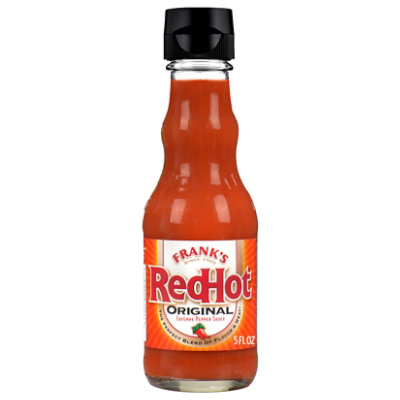
Frank's gives its traditional mixture as three parts Original sauce to two parts melted butter. In the kitchen, that means whisking three tablespoons of hot sauce with two tablespoons of warm melted butter until glossy.
Frank's also sells the mixture ready made as a wing sauce, and Primal Kitchen's buffalo sauce is another ready-made option.

Ingredients Distilled Vinegar, Aged Cayenne Red Peppers, Salt, Water, Canola Oil, Paprika, Xanthan Gum, Natural Butter Type Flavor and Garlic Powder.

Ingredients CAYENNE PEPPER SAUCE (VINEGAR, AGED RED CAYENNE PEPPERS, SALT, GARLIC), AVOCADO OIL, WATER, ORGANIC VINEGAR, POTATO STARCH, GARLIC POWDER, ORGANIC PAPRIKA, TAMARIND SEED GUM.
Signature SELECT Buffalo Hot Wing Sauce instead lists aged cayenne peppers, vinegar, water, vegetable oil and "Natural Flavor," so its label does not name butter. Vegetable oil keeps the sauce emulsified at room temperature, ready to pour over wings without separating.

Capsaicin is fat-soluble, so butter or oil coats the palate and softens the cayenne burn. The fat binds the chili compounds and prevents them from immediately locking onto nerve receptors, giving wing sauce a smoother, richer warmth than straight cayenne hot sauce.
Sriracha, chili garlic and sweet chili sauce
Sriracha is a smooth chili puree sold in a squeeze bottle. Huy Fong says it purees sun-ripened chilies, and its label lists chili, sugar, salt and garlic before acids, preservatives and xanthan gum. The label also says "Contains sulfites (sodium metabisulfite)."
Sriracha labels carry a sulfite warning because FDA rules (21 CFR 101.100) require declaring sulfites at or above 10 parts per million (ppm). Huy Fong lists sodium bisulfite among its preservatives. Sulfites can trigger reactions in sensitive people, so federal rules require clear notices on every bottle exceeding 10 ppm.
On the label, Huy Fong Sriracha lists 70 mg of sodium and 1 gram of sugar per teaspoon. This single gram of sugar explains why sriracha tastes noticeably sweet compared with vinegar sauces, while 70 mg of sodium places it between Tabasco's 35 mg and Signature SELECT's 130 mg.

Chili garlic sauce lists salted chili peppers first, followed by water, sugar, rice vinegar and dehydrated garlic. Unlike sriracha, which is ground into a smooth paste and stabilized with xanthan gum, chili garlic sauce keeps visible seeds, pulp, and minced garlic. Lee Kum Kee states it is best used for stir-frying, dipping and marinades. Spooning it into a hot skillet blooms the garlic and salted chilies in oil.
Sweet chili sauce starts with sugar or with water followed by sugar. Signature SELECT Sweet Chili Sauce begins with water and sugar, then adds pickled red chili and pickled garlic. Mae Ploy starts with sugar and water and calls its sauce mild, so "sweet chili" describes more than a heat level. It defines a sweet and tangy profile where heat stays in the background.

Ingredients Salted Chili Peppers (Chili Peppers, Salt), Water, Sugar, Rice Vinegar, Dehydrated Garlic, Modified Corn Starch, Acetic Acid.

Ingredients Water, Sugar, Pickled Red Chili (Red Chili, Salt, Acetic Acid), Pickled Garlic (Garlic, Sugar, Water, Salt, Acetic Acid), Acetic Acid, Salt, Modified Corn Starch, Xanthan Gum, Carboxymethyl Cellulose.
Chili crisp is oil plus texture
Oil is listed first. Chili crisp keeps solid pieces of chili, garlic, onion or seeds in the jar, providing the texture that distinguishes the spoonable condiment from plain chili oil. Plain chili oil is an infused liquid that brings heat and color to a dish, but chili crisp provides crunch and chew.
Signature SELECT Garlic Chili Crunch starts with sunflower oil, onion and garlic. Red bell pepper, chili pepper and sesame oil follow, along with star anise, Sichuan pepper, cinnamon, cloves and fennel. Its label suggests stir fry, dumplings and noodles, offering an aromatic topping for rice or vegetables.

The Safeway label for Lao Gan Ma reads "Soybean Oil, Kohlrabi (Fermented), Chili, Peanut, Beancurd (Soybean, Water), Monosodium Glutamate Salt. Sugar, Pepper Powder, Sulfur Dioxide, Sodium Sulfite." It also warns that the product contains soybean and peanut.
Those solid ingredients give Lao Gan Ma its distinctive chew. Fermented kohlrabi and beancurd add savory depth, while peanuts add crunch. The soybean and peanut warning alerts shoppers to common allergens not found in standard hot sauces.

The style also crosses cuisines. Cholula describes its chili crisp as inspired by Mexican salsa macha, made with ancho, morita and arbol peppers plus pumpkin and sesame seeds. Its suggested foods include tacos, tostadas, queso fundido, eggs and taco bowls. Other maker suggestions are equally broad, with Signature SELECT naming dumplings and noodles, while Fly By Jing names salads, rotisserie chicken and sandwiches.
Cholula's jar and Fly By Jing's extra spicy Sichuan-style jar sit a shelf apart.

Ingredients High Oleic Sunflower Oil, Chili Peppers (Ancho, Morita and Arbol), Garlic, Sesame Seed, Pumpkin Seed, Sunflower Seed, Salt, Onion, Spices and Natural Flavor.

Ingredients Non-GMO Rapeseed Oil, Non-GMO Soybean Oil, Dried Chili Pepper, Fermented Soybean (Soybeans, Water, Salt, Rice Flour, Spices), Garlic, Shallots, Mushroom Powder, Ginger, Sesame Oil, Salt, Sichuan Pepper, Seaweed Powder, Spices
Salsa macha is a Mexican sauce of dried chilies and roasted seeds fried in oil, with little of the vinegar acidity of a Louisiana-style sauce. The seeds and oil soften the smoky peppers, producing a nutty warmth.
Heat words vary because most makers do not give these jars a Scoville number. Cholula calls its crisp "medium heat." Read the ingredients, the texture and the maker's heat word. Examining the jar helps you decide whether you are buying crunchy garlic, nutty pumpkin seeds, or fiery chili flakes.
Follow the storage line on each jar
Storage directions vary within a style, so read the package you bought.
Vinegar-based sauces are acidic, while oil creates an oxygen-free setting around low-acid ingredients such as garlic. This difference in chemistry changes the rules for food safety.
Colorado State University Extension and Oregon State University Extension warn that Clostridium botulinum bacteria produce lethal neurotoxins in anaerobic, low-acid (pH above 4.6), moist settings. Submerging fresh garlic or chilies in oil seals out oxygen, creating botulism risks at room temperature. Fresh garlic contains moisture and little acid, giving bacteria the exact environment they need to grow.
CSU Extension advises refrigerating homemade garlic-in-oil mixtures and using them within four days. That four-day limit prevents bacterial spores from producing dangerous toxins in home kitchens.
Oregon State University Extension says commercial garlic-in-oil mixtures are acidified to prevent bacterial growth and can be stored safely at room temperature. Commercial producers acidify low-acid ingredients below pH 4.6 or dehydrate them before oil immersion, allowing unopened jars to remain shelf stable. Dehydrating removes needed moisture, while acidification keeps pH safely below 4.6.
Labels still differ once the seal is broken. Signature SELECT Louisiana Hot Sauce and Garlic Chili Crunch say to refrigerate after opening, as do Lee Kum Kee Chili Garlic Sauce and Signature SELECT Sweet Chili Sauce. Frank's, Tabasco, Huy Fong and Lao Gan Ma print no refrigeration line on their labels.
Frank's says refrigeration helps maintain flavor but is optional. Cholula likewise says its hot sauce does not need to be kept cool. For general hot sauce storage, the USDA FoodKeeper lists six months in the pantry and says refrigeration keeps it fresher longer, but does not provide guidelines for sriracha or chili crisp sauces.
Check the package when you unpack groceries. Vinegar-heavy sauces stay safe on a pantry shelf, but cold temperatures keep color bright and flavor crisp. If a label says to refrigerate after opening, follow the directions.
Common questions about hot and chili sauces
What is the difference between hot sauce and chili sauce?
The first ingredient gives the clearest distinction. Under federal labeling rules, ingredients appear in descending order by weight. Aged pepper or vinegar leads a vinegar-forward hot sauce, creating a thin, acidic liquid. Chili leads sriracha and chili garlic sauce, forming a thicker puree. Water or sugar leads sweet chili sauce, and oil leads chili crisp.
How hot is sriracha compared with Tabasco?
Tabasco rates Original Red at 2,500 to 5,000 SHU. Huy Fong publishes no Scoville number for its sriracha, so the two cannot be compared with maker figures. Huy Fong calls its sriracha "hot," but without a published rating, and any direct comparison remains unconfirmed.
What is chili crisp made of?
Chili crisp starts with oil and contains solid pieces that supply texture, often including chili, garlic, onion or seeds. The exact mix varies. Signature SELECT uses sunflower oil, onion, garlic, peppers and spices, while Lao Gan Ma lists soybean oil, fermented kohlrabi, chili, peanut and beancurd among its ingredients.
Does hot sauce need to be refrigerated after opening?
Follow the bottle. Some labels require refrigeration, while Frank's and Cholula say cooling their vinegar-based hot sauces is optional. FoodKeeper's pantry time for hot sauce is six months, and chilling preserves its freshness longer.
What is buffalo sauce made of?
Buffalo sauce combines cayenne hot sauce with added fat and flavor. Frank's traditional formula uses three parts Original sauce and two parts melted butter. Signature SELECT Buffalo Hot Wing Sauce instead uses vegetable oil and "Natural Flavor," omitting butter to stay shelf stable.
What is the difference between sriracha and chili garlic sauce?
Huy Fong sriracha is a smooth puree with sugar listed immediately after chili. Lee Kum Kee's sauce begins with salted peppers and places dehydrated garlic after rice vinegar, leaving visible seeds and pulp. Huy Fong also lists xanthan gum among its ingredients.
How can you tame hot sauce heat if a dish is too spicy?
Capsaicin is fat-soluble and does not dissolve well in water, so water does little. Dairy products such as milk, sour cream or yogurt help because casein, a milk protein, binds to capsaicin and lifts it off the mouth's heat receptors.
Why do some hot and chili sauces carry a sulfite warning?
FDA regulations (21 CFR 101.100) require manufacturers to declare sulfites at 10 parts per million (ppm) or higher because sulfites can trigger reactions in sensitive people. Huy Fong Sriracha lists sodium bisulfite as a preservative and declares sulfites on its label.
Why is homemade chili oil riskier for botulism than commercial chili crisp?
Colorado State University Extension and Oregon State University Extension warn that Clostridium botulinum grows in moist, low-acid, oxygen-free settings, and fresh garlic or chilies submerged in oil can create them. CSU Extension advises refrigerating homemade garlic-in-oil mixtures and using them within four days. Commercial producers acidify low-acid ingredients below pH 4.6 or dehydrate them before oil immersion.
How much sodium is in hot sauce?
Sodium content varies widely. Tabasco Original Red lists 35 mg of sodium per 1-teaspoon serving (2% of the daily value), Cholula Original lists 110 mg per teaspoon (5% daily value), and Huy Fong Sriracha lists 70 mg per teaspoon. Safeway's listing for Signature SELECT Louisiana Hot Sauce shows 130 mg per teaspoon (6% daily value).