


What's the Difference Between Cranberry Juice and Cranberry Cocktail?
Cranberry juice comes in several forms, from pure unsweetened juice to sweetened blends. Knowing the difference helps you pick the right one for your needs.
How cranberry juice is made
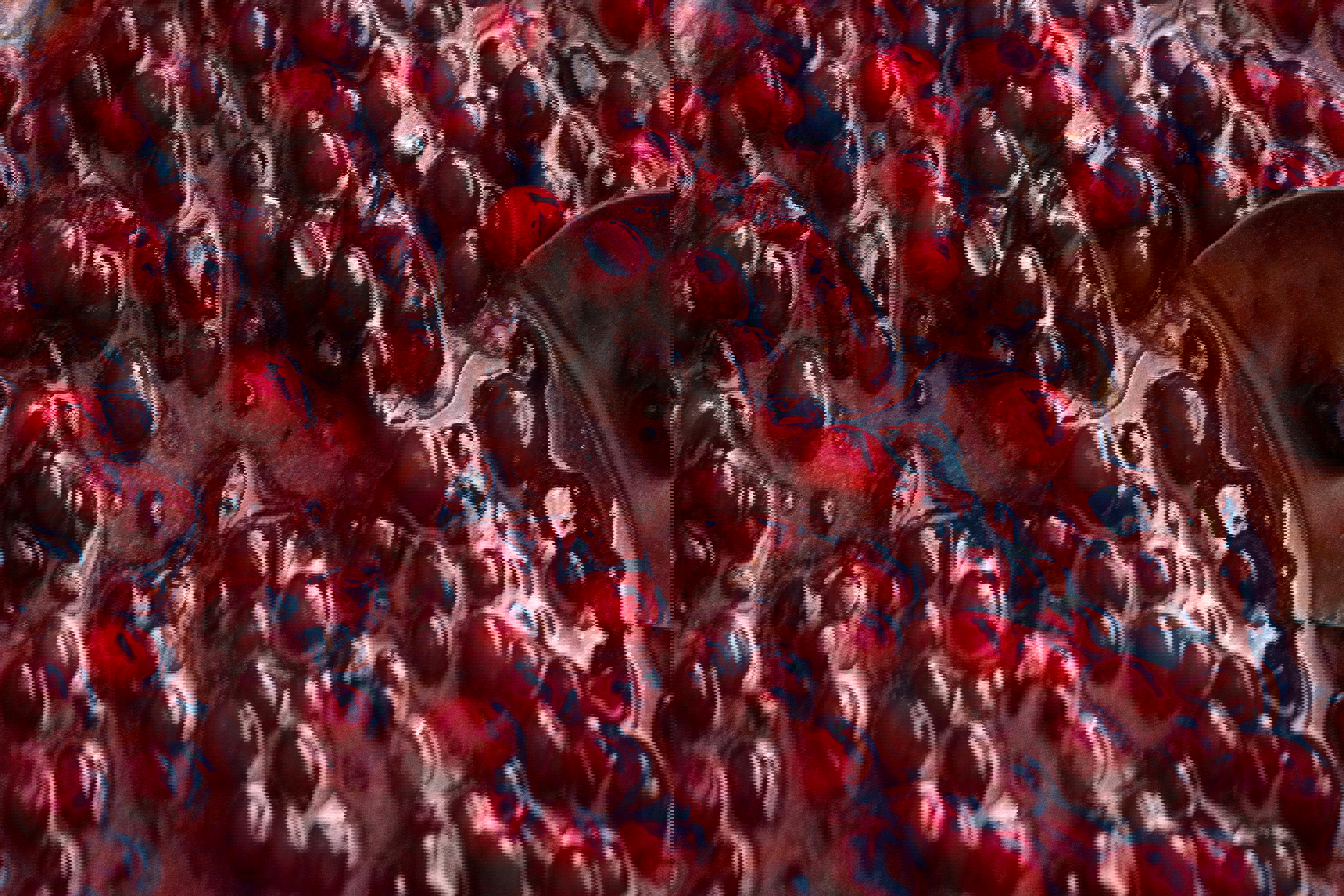
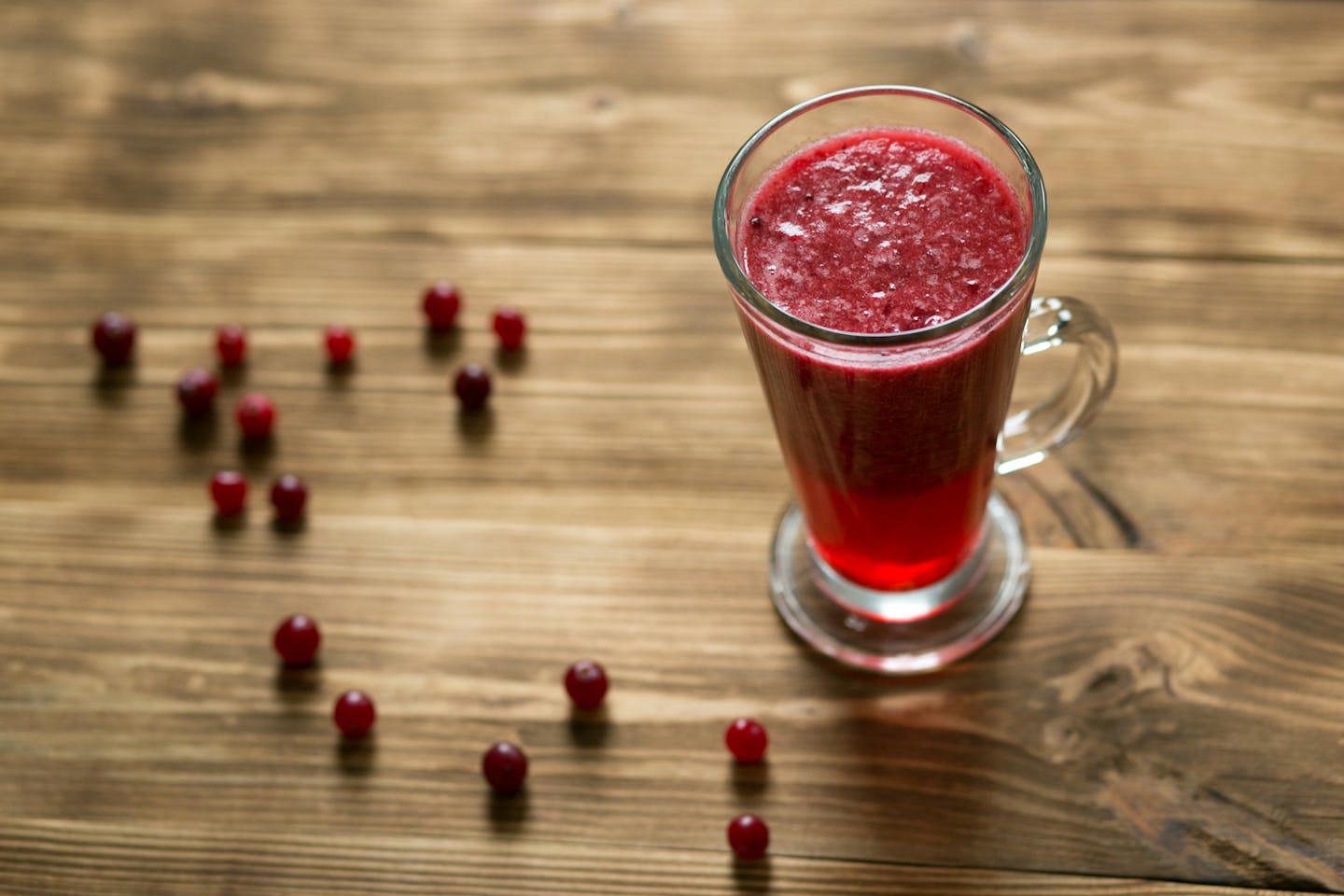
Cranberry juice is made from cranberries, small tart berries grown primarily in North America. The berries are harvested, washed and pressed to extract the juice. Because cranberries are naturally very tart, most commercial cranberry juice includes added sweeteners or is blended with other fruit juices to balance the flavor. Sweetened versions and blends are more common on store shelves because they appeal to a wider range of palates.
Juice, cocktail and blends
The labels on cranberry juice can be confusing, so it helps to understand what the common terms mean.
Pure cranberry juice contains only juice from cranberries with nothing else added. It's tart and concentrated, and some people dilute it with water or mix it into smoothies rather than drinking it straight. Cranberry juice cocktail, by contrast, is cranberry juice mixed with water and sweeteners like sugar or high fructose corn syrup. It's sweeter and milder, with cranberry content typically between 25% and 30%.
Cranberry juice blends take a different approach, combining cranberry juice with other fruit juices like apple, grape or raspberry. You'll see these labeled as "cranberry apple" or "cran-raspberry." The added fruit softens the tartness while introducing variety.
One label worth understanding is "100% juice." This means the product contains no added sweeteners, but it doesn't mean the juice is 100% cranberry. Many products labeled "100% cranberry juice" are actually blends of cranberry with apple, grape or other juices. If you want pure cranberry with no other fruits, look for "unsweetened" or "pure cranberry" on the label and check that cranberries are the only ingredient listed.
Reading the label: Ingredients are listed by weight. If apple juice or grape juice appears before cranberry juice, that fruit makes up the majority of the bottle, even if "cranberry" is the largest word on the front.
From concentrate vs not from concentrate
You'll see "from concentrate" and "not from concentrate" on juice labels. The difference is in how the juice is processed.
From concentrate means the juice was extracted, then had water removed to create a concentrated syrup. This makes it cheaper to transport and store. Water is added back before bottling, and the reconstituted juice tastes similar to fresh-pressed, though some people notice a slight difference. Not from concentrate means the juice was pressed and bottled without removing water. It tends to cost more because it's heavier to ship and has a shorter shelf life, but the flavor is often described as fresher or brighter.
Both types are real juice. The choice comes down to personal preference and budget.
How to use cranberry juice
Cranberry juice works in more situations than you might expect. Pure cranberry juice is intense on its own, so many people dilute it with water or sparkling water to reduce the tartness. A ratio of one part juice to two or three parts water is a good starting point. Cocktails and blends, on the other hand, are designed to be enjoyed as a beverage without mixing.
Beyond drinking it straight, cranberry juice is a common ingredient in mixed drinks, where its color and tartness pair well with citrus and other fruit juices. It also works in the kitchen. You can reduce cranberry juice into a glaze for meats, use it in marinades or add it to sauces where the tartness helps balance rich or fatty dishes. In smoothies, it contributes flavor and color, working particularly well with berries, bananas and yogurt.
Storing cranberry juice
Unopened cranberry juice lasts for months in the pantry. Check the best-by date on the bottle.
Once opened, store cranberry juice in the refrigerator. Most products stay fresh for two to three weeks after opening, though this varies. If the juice smells off, tastes fermented or looks cloudy when it wasn't before, discard it.
Some cranberry juices are sold refrigerated rather than shelf-stable. These have a shorter unopened shelf life and should stay in the fridge from the time you buy them.
Tip: If you don't use cranberry juice quickly, consider a smaller bottle. Pure cranberry juice often comes in 32 oz sizes, while cocktails and blends are more common in 64 oz bottles.
Choosing the right cranberry juice
Your choice depends on how you plan to use it. For drinking on its own, a cranberry juice cocktail or blend will be more palatable than pure juice, though you may want to check the sugar content. Pure cranberry juice works better for smoothies, cocktails or recipes because you can add your own sweetener and adjust the intensity to suit your taste.
If you're watching sugar intake, you have a few options. Products labeled "no sugar added" or "unsweetened" skip the added sweeteners, though blends will still contain natural sugars from the fruit. Diet versions use non-nutritive sweeteners to keep calories low while maintaining a milder taste.
Pure cranberry juice typically comes in smaller bottles than cocktails and blends. This makes sense given how concentrated it is, but it's worth considering how quickly you'll use it when deciding what size to buy.
FAQ
What's the difference between cranberry juice and cranberry cocktail?
Pure cranberry juice contains only juice from cranberries. Cranberry juice cocktail is cranberry juice mixed with water and sweeteners, making it milder and sweeter. Cocktails typically contain 25% to 30% cranberry juice.
Does "100% juice" mean it's all cranberry?
Not necessarily. "100% juice" means there are no added sweeteners, but the product may still be a blend of cranberry with other juices like apple or grape. Check the ingredient list to see what's actually in the bottle.
Why is pure cranberry juice so tart?
Cranberries are naturally high in acids, including citric and quinic acid. Unlike many other fruits, they contain very little natural sugar. This combination creates the sharp, sour taste.
How long does cranberry juice last after opening?
Most cranberry juice stays fresh for two to three weeks in the refrigerator after opening. Check the product label for specific guidance and discard the juice if it smells off or tastes fermented.
Can I substitute cranberry cocktail for pure cranberry juice in recipes?
You can, but the results will differ. Cocktail is sweeter and less concentrated. If a recipe calls for pure juice, using cocktail may make the dish sweeter and the cranberry flavor less pronounced. Adjust other sweeteners in the recipe if needed.
Is from-concentrate juice lower quality than not-from-concentrate?
Not necessarily. Both are real juice. From-concentrate juice has water removed and then added back, which makes it more economical to produce and transport. Some people prefer the taste of not-from-concentrate, but both are valid choices.
Does cranberry juice need to be refrigerated before opening?
Shelf-stable cranberry juice can be stored in the pantry until opened. Once opened, refrigerate it. Some cranberry juices are sold in the refrigerated section and should stay cold from purchase.