


Does Pickle Juice Help Muscle Cramps?
Pickle juice can help stop a cramp that's already started, faster than water, based on a few small studies. The reason isn't the salt, even though that's the usual explanation. The evidence is thin, and there's one real caution: the sodium.
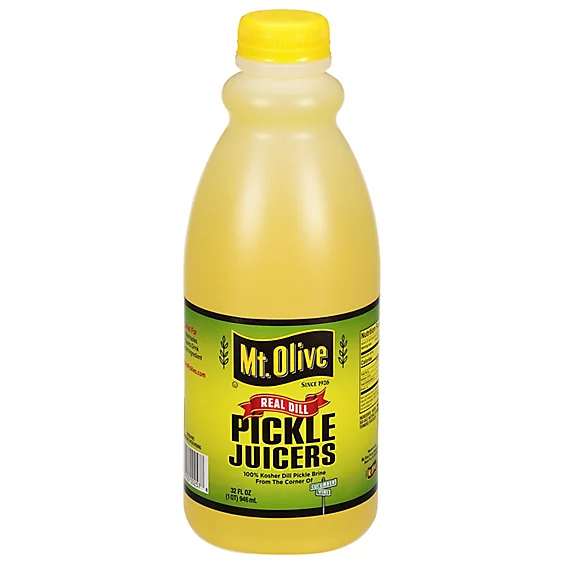
Mt. Olive Pickle Juicers, 32 Fz - 32 FZ
What it is
Pickle juice is the brine that pickles sit in: mostly water, vinegar, and salt, plus seasonings like dill and garlic. The vinegar is the suspected reason it does anything for cramps. The salt is the reason for the main caution. There's also a dedicated "pickle juice" sold in small shot bottles, a similar vinegar-and-salt mix made for drinking rather than poured from a jar.
What the research shows
The study this traces back to, from 2010, took about 10 dehydrated young men and triggered cramps in a foot muscle with electrical stimulation. Once a cramp started, each man drank either water or about 2.5 ounces of pickle juice. The pickle-juice cramps stopped in about 85 seconds. The water cramps took about 134. Pickle juice cut roughly 49 seconds off the cramp.
The same study measured blood electrolytes five minutes after the men drank, and they barely moved. The relief also came too fast for the small amount of juice to leave the stomach, which takes about 30 minutes. So the salt wasn't doing it. The leading explanation is a reflex: something sour and sharp in the brine, most likely the vinegar, sets off nerves in the mouth and throat that quiet the misfiring nerve signals behind the cramp. Researchers think this is what happens. They haven't proven it.
It's one small study, and it hasn't always held up. At least two 2021 studies found pickle juice was no better than water at stopping induced cramps, whether the men drank it or just swished it. A 2022 trial followed 82 people with liver disease, who cramp often, and found that sips of brine at the start of a cramp eased the severity more than water, a small but real difference. Across these studies, some show pickle juice easing a cramp faster than water, some show no difference, and all of them are small. It can help shorten a cramp that's started. That's as far as the evidence goes.
Stopping a cramp isn't the same as rehydrating
Using pickle juice to stop a cramp and using it to rehydrate are two different things. The cramp studies used two or three ounces, sipped when a cramp starts. That much brine doesn't replace what you lose in heavy sweating or a long illness, when you're down fluid along with sodium, potassium, and magnesium. For that, an electrolyte drink or oral rehydration product carries far more of both. Our guide to electrolyte drinks covers that case.
The sodium problem
Pickle brine is salt water with vinegar, and the salt is the part that can cause trouble. A two-ounce pour usually carries somewhere around 400 to 600 mg of sodium, and it varies a lot by brand. A quarter cup can run 500 to 1,000. The daily sodium limit for adults is about 2,300 mg, so a few ounces of brine is a real share of a day.
If you have high blood pressure, kidney disease, liver disease, or heart disease, or a doctor has told you to limit salt, the standard advice is to skip drinking pickle juice. The sodium is the reason, and for these groups it matters more than the cramp evidence does.
The acidity is a smaller issue. Vinegar can upset your stomach, worsen heartburn or reflux, and in larger amounts cause cramping or diarrhea. Smaller sips go down easier than big gulps. And cramps that come often, hit hard, or arrive with other symptoms are worth a doctor's look, because they can point to something pickle juice doesn't address.
Buying it at Safeway
There are two ways to get it. The first is the brine in a standard pickle jar. Pour off the liquid you'd otherwise throw away. Safeway stocks the jars widely, including Signature SELECT and Open Nature kosher dill.
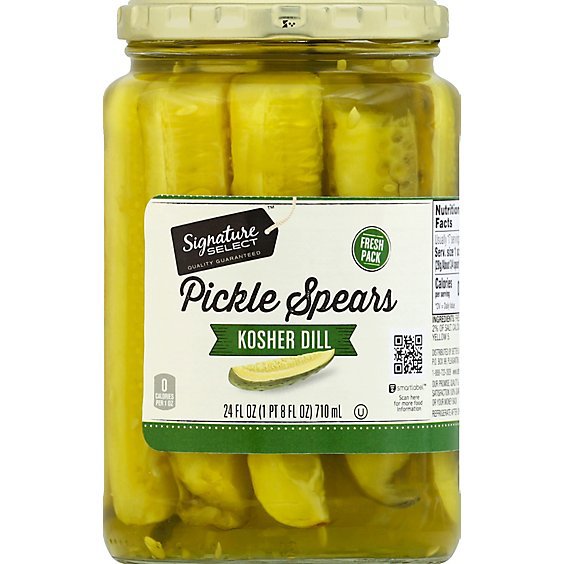
Signature SELECT Kosher Dill Spears, 24 oz

Open Nature Kosher Dill Pickle Slicers, 16 oz
Sodium and sourness change with the style. A sharp dill or kosher dill brine is salty and vinegary, which is the kind the cramp research used. Bread-and-butter and other sweet pickles add sugar and make a milder, less sour drink.
The second is a dedicated pickle-juice or brine shot, made for drinking. These come in small bottles, sometimes with added electrolytes, and the formula is the same bottle to bottle. Availability varies by location, so not every store carries them, while the jars are everywhere. [Verify on safeway.com.]
For cramps, jar brine and a dedicated shot work about the same, since both are sour, salty, and vinegar-based. Jar brine is free if you already have pickles. The shot is portable and the same every time. On either one, the label is worth a glance for two numbers. Sodium per serving is the one that matters if you're limiting salt. Added sugar tells you whether you've got a sour brine or something closer to a sweet drink.
Common questions
Does pickle juice work for cramps?
It can help shorten a cramp that's already started. A small 2010 study of about 10 men found pickle juice eased electrically induced cramps roughly 49 seconds faster than water. Other studies found no difference, so the evidence is limited and mixed. The likely reason isn't the salt. It's a reflex triggered in the mouth and throat.
How much do you drink?
Around two to three ounces, about a shot. The studies used small amounts, and more isn't better. Larger pours add a lot of sodium and can upset your stomach. Some research suggests even swishing it may help, since the suspected reason starts in the mouth.
Is jar brine the same as a pickle-juice shot?
For the cramp idea, they're close. Both are sour, salty, and vinegar-based. Jar brine is already on hand and cheaper. Dedicated shots are portable, consistent, and sometimes add electrolytes. Check the sodium and added sugar on whichever you use.
I have high blood pressure. Is it safe?
If you have high blood pressure, kidney disease, liver disease, heart disease, or you've been told to limit salt, doctors generally advise against drinking pickle juice. A couple of ounces can carry several hundred milligrams of sodium. Talk to your doctor first.
Will it rehydrate me or help a hangover?
Not meaningfully. The small amounts tied to cramp relief don't replace the fluid and electrolytes lost from heavy sweating or drinking. For real rehydration, an electrolyte drink carries far more sodium and fluid.
Does it work for nighttime leg cramps?
That hasn't been well studied. The research is mostly young athletes plus one trial in people with liver disease, not older adults with leg cramps at night. Some people find a sip helps. The sodium caution still applies if you have heart, kidney, or blood pressure issues.